
 English
 中文简体
中文简体 Español
Industrial Rivets & Fasteners Manufacturers
Full-range riveting/clinching parts, suitable for thin plates/single-side construction, high-strength permanent fastening.

Full-range riveting/clinching parts, suitable for thin plates/single-side construction, high-strength permanent fastening.
Do you need non-standard fasteners, precision metal parts, or custom structural components for a specific application?
Yongji helps you develop and manufacture special parts and custom products based on your drawings, samples, technical requirements, and target application scenarios.
Whether you need prototype quantities, pilot production, or stable mass supply, we provide an integrated solution from engineering review to production and delivery.
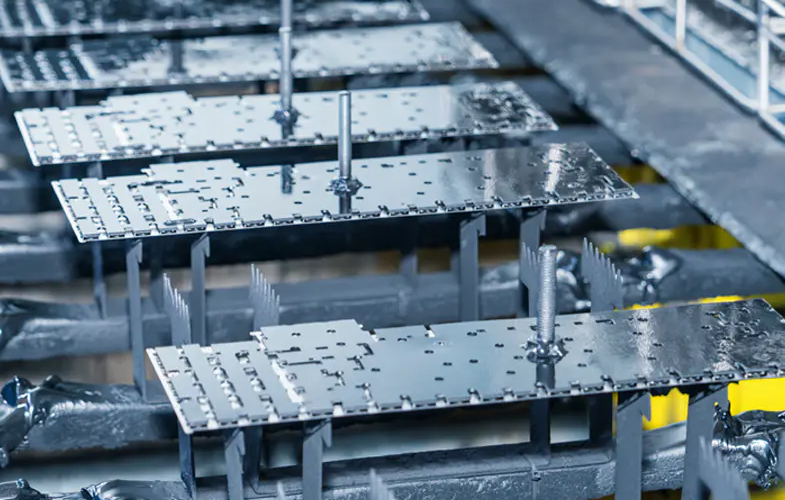
From fasteners to structural parts, Yongji offers integrated development and manufacturing for a wide range of custom precision hardware products.
Whether you need a few pieces for validation, small batches for development, or large volumes for mass production, we can support your project at different stages.
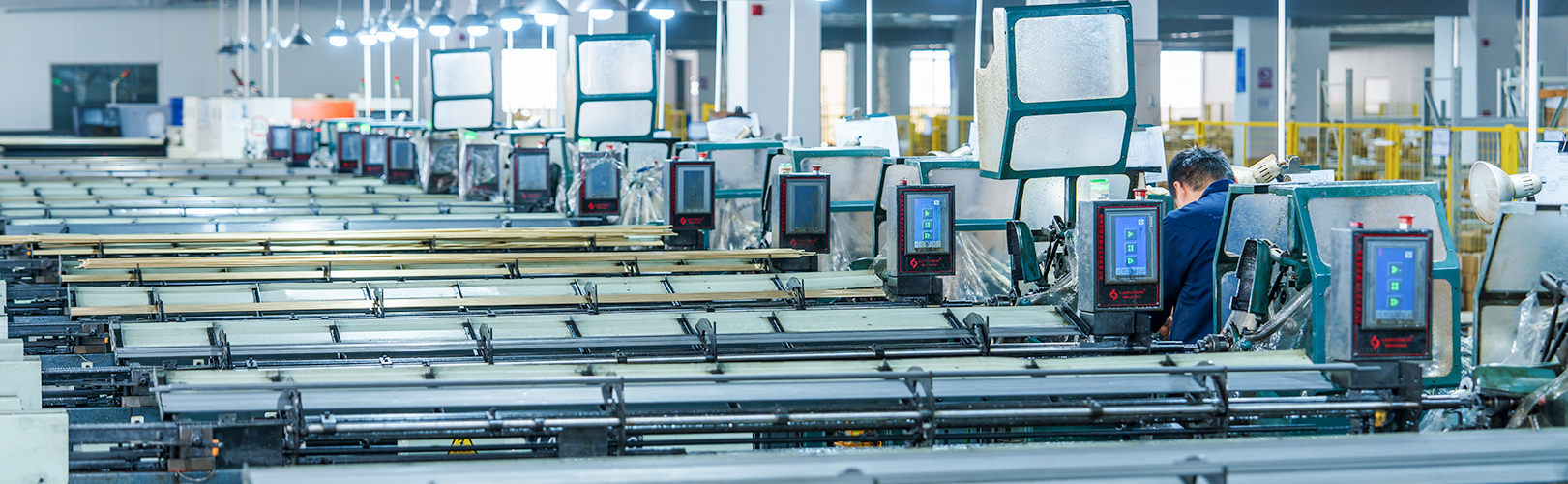
With integrated manufacturing resources in China and Vietnam, Yongji helps customers achieve stable quality, scalable production, and reliable delivery.
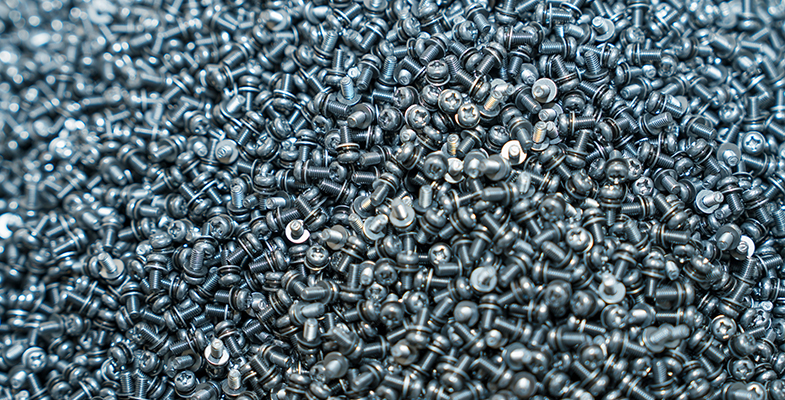

Yongji Precision Hardware is a global manufacturer specializing in precision fasteners and metal structural components. We are
China Rivet Nuts Manufacturers and Custom
Industrial Rivets & Fasteners Factory. Founded in 2003, the company has over two decades of experience serving international OEM and ODM customers across multiple industries.
With integrated manufacturing capabilities including cold heading, stamping, CNC machining and sheet metal fabrication...
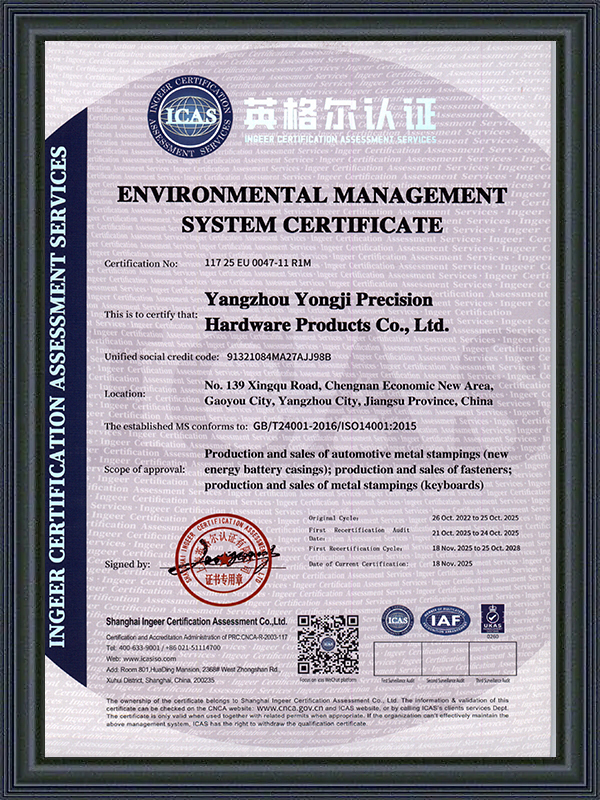
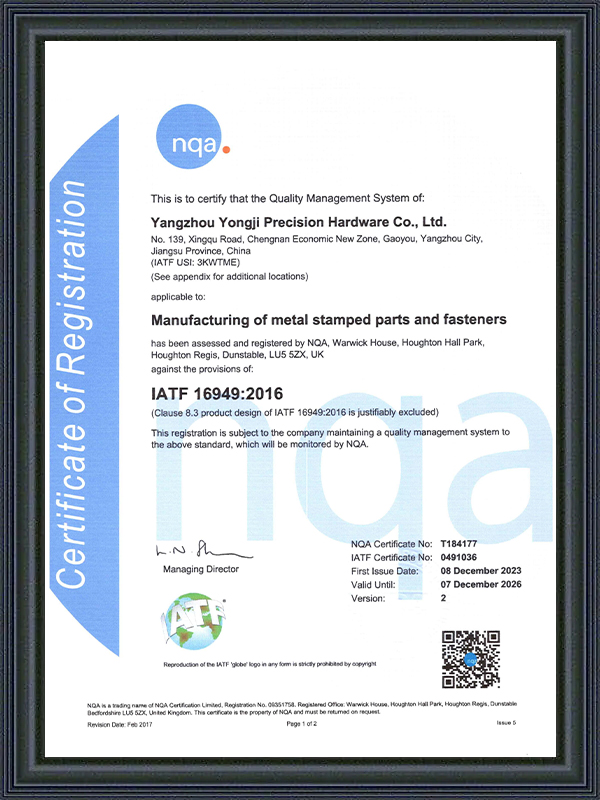
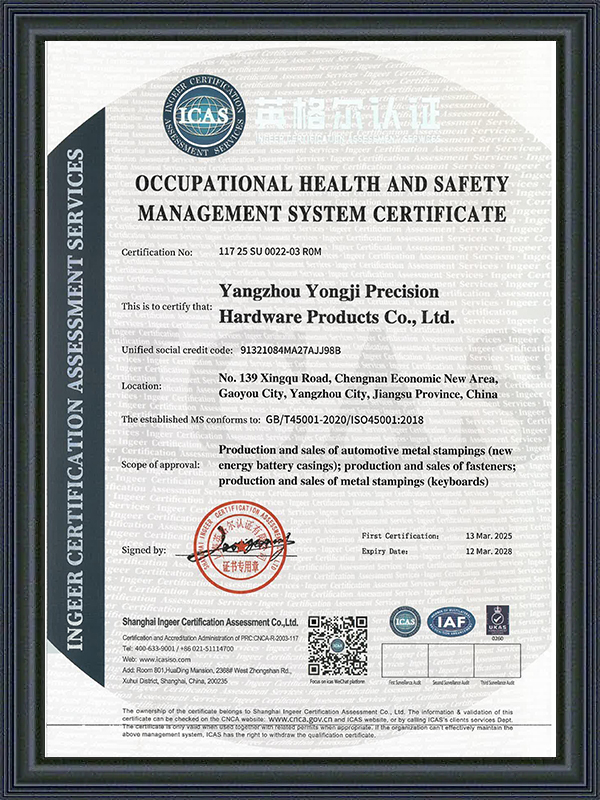
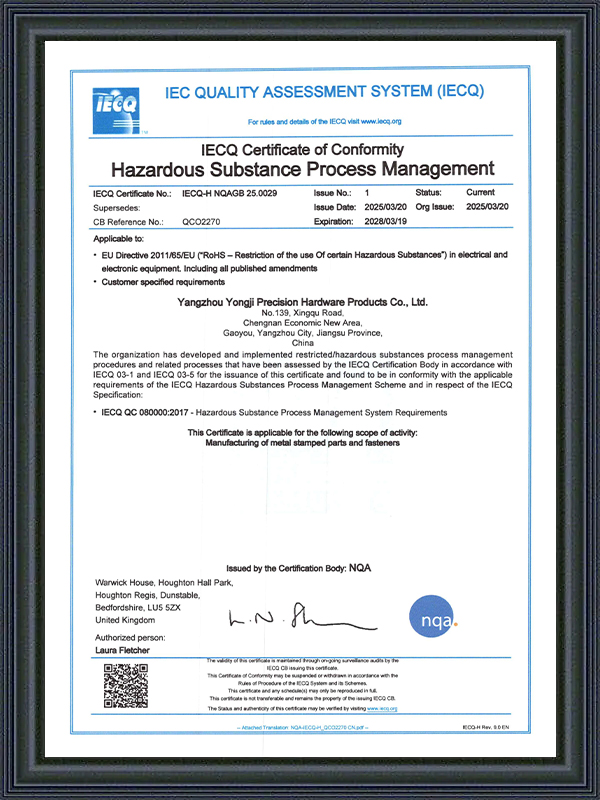
Yongji Precision Hardware Co., Ltd. is a Riveted Fasteners manufacturer supplying rivet nuts, blind rivets, self-clinching nuts and studs, and solid and semi-tubular rivets for thin-sheet and single-side assembly. Since 2003 we have produced these parts through cold heading, cam lathe turning and precision stamping, with in-house heat treatment, surface finishing and laboratory inspection.
Our range is built for chassis and cabinets, sheet metal enclosures, automotive parts, energy storage racks, telecom equipment and electronics housings, where a permanent threaded or mechanical joint must be created from one side of the workpiece without welding or back-side access.
Riveted fasteners create a load-bearing joint by deforming part of the fastener inside or against the workpiece. We produce the two main families: threaded inserts that leave a reusable internal thread in thin sheet, and rivets that clamp two or more layers together permanently. Both are cold-forged or machined from wire and bar, then finished and inspected as one controlled process.
Because we also run stamping and sheet metal lines, we understand the hole conditions these parts are installed into — burr height, hole roundness, sheet thickness and material grade — and we set the fastener geometry to match the mating panel rather than the other way round.
| Product type | Installation principle | Typical fit |
|---|---|---|
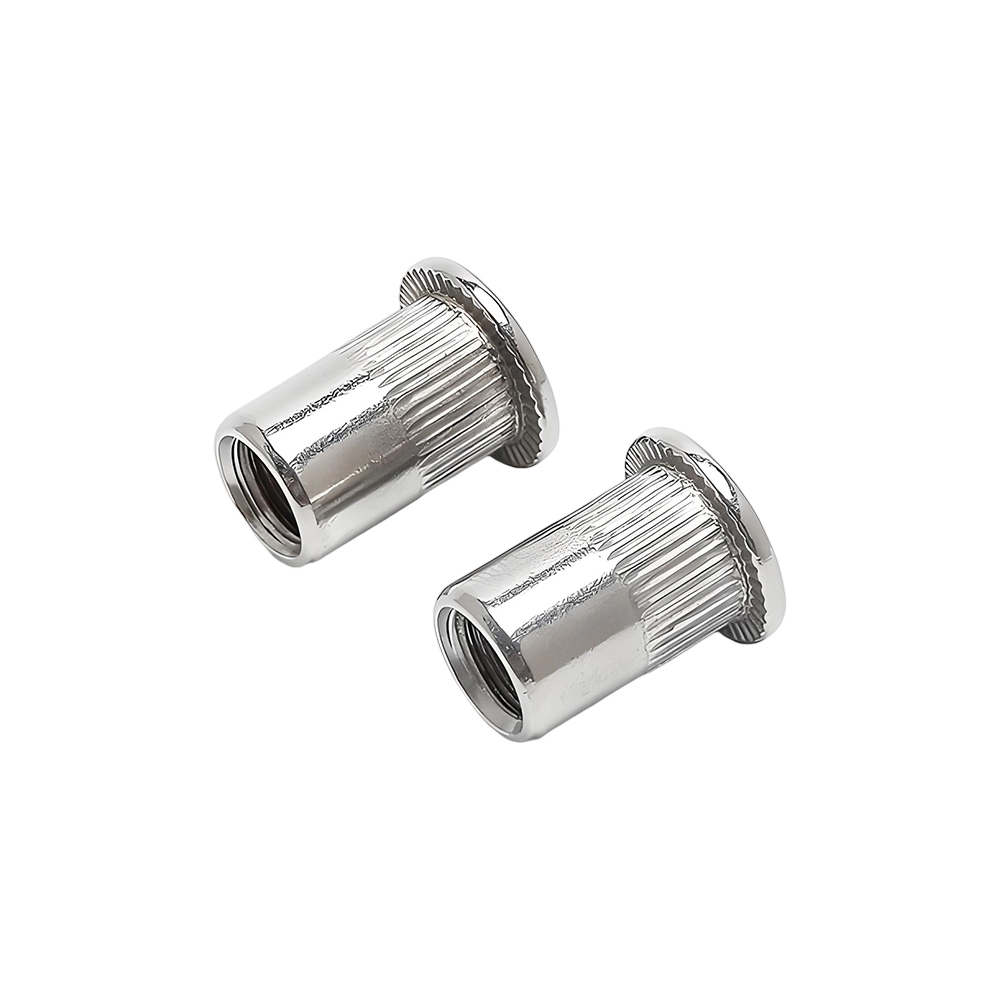
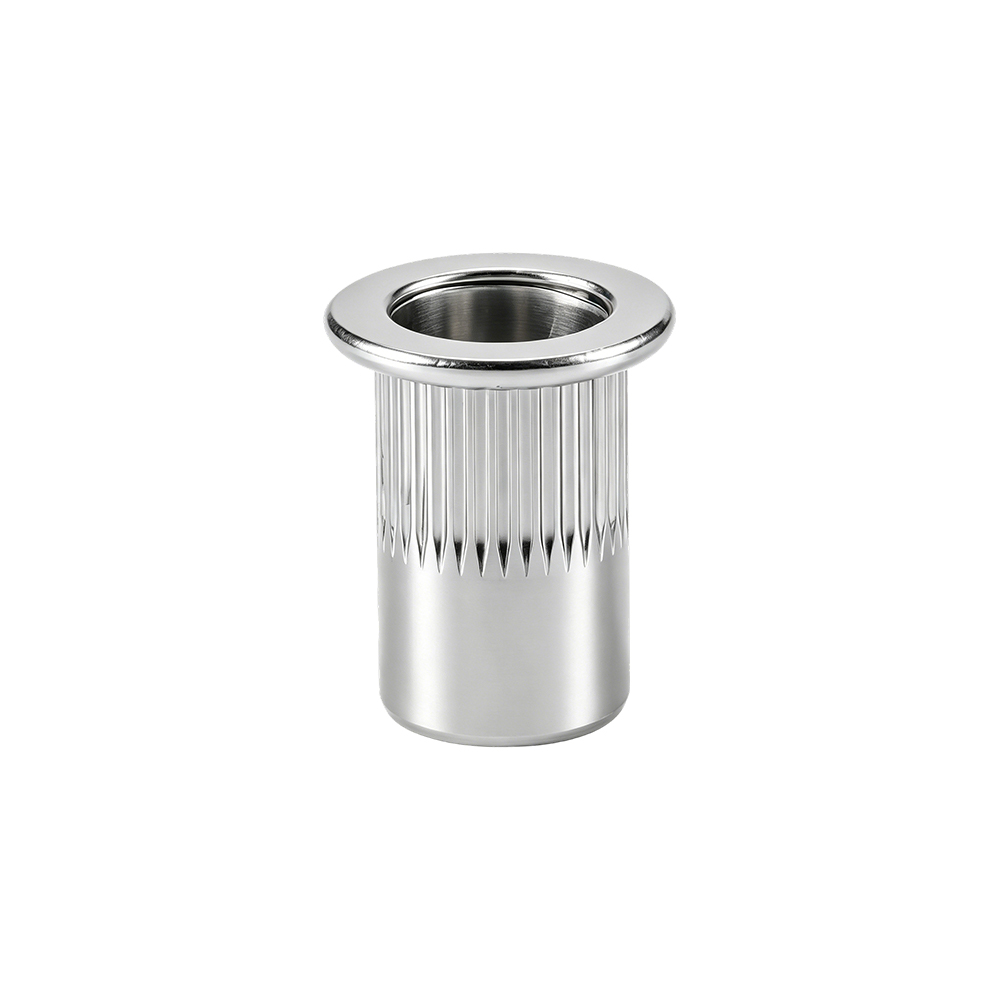
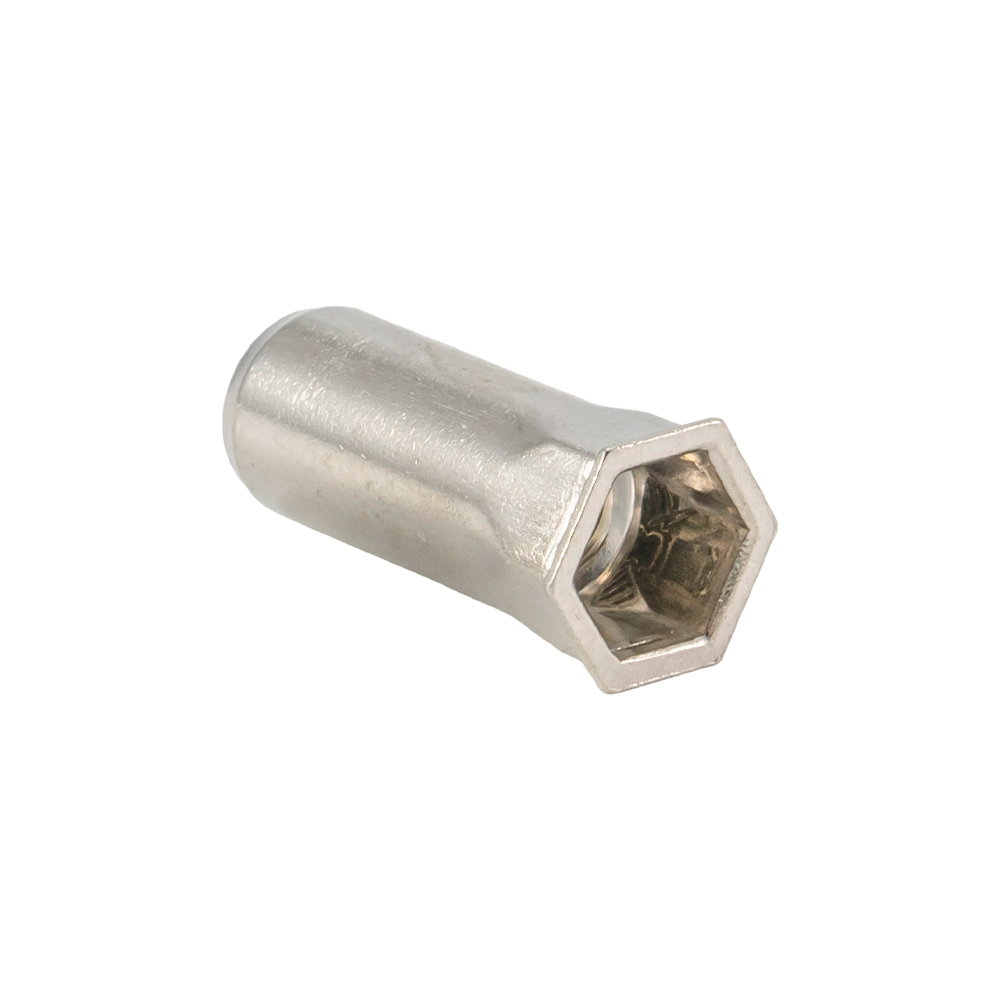
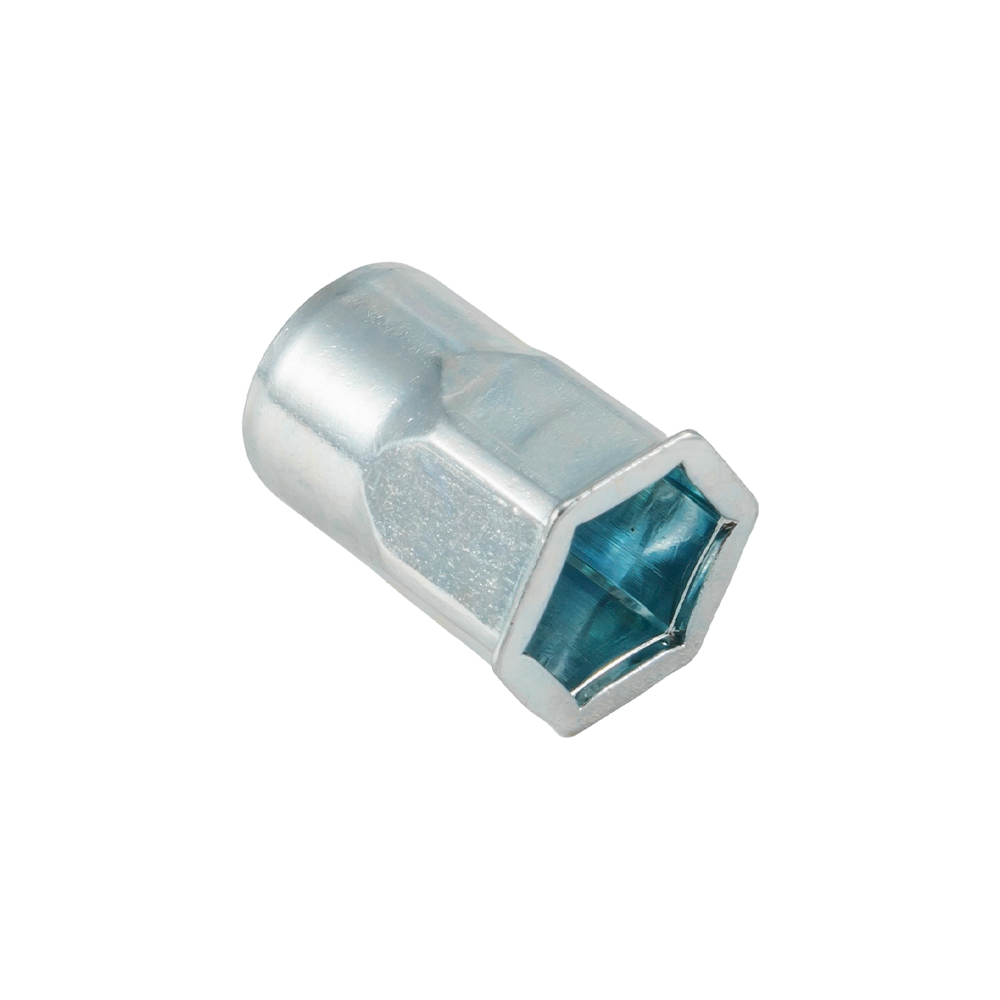
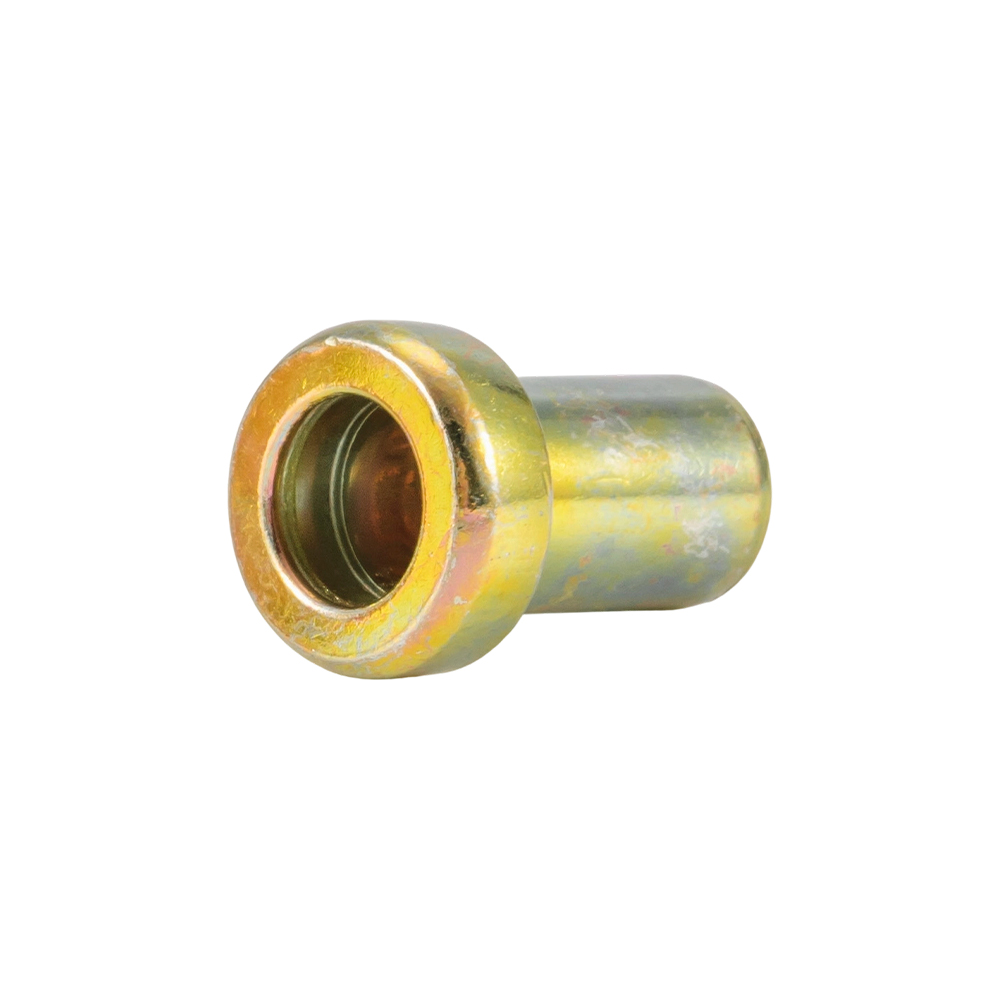
| Rivet Nuts / Blind Nuts | Hollow body expands and locks onto the panel; internal thread stays usable | Chassis, cabinets, thin sheet where the reverse side is closed |
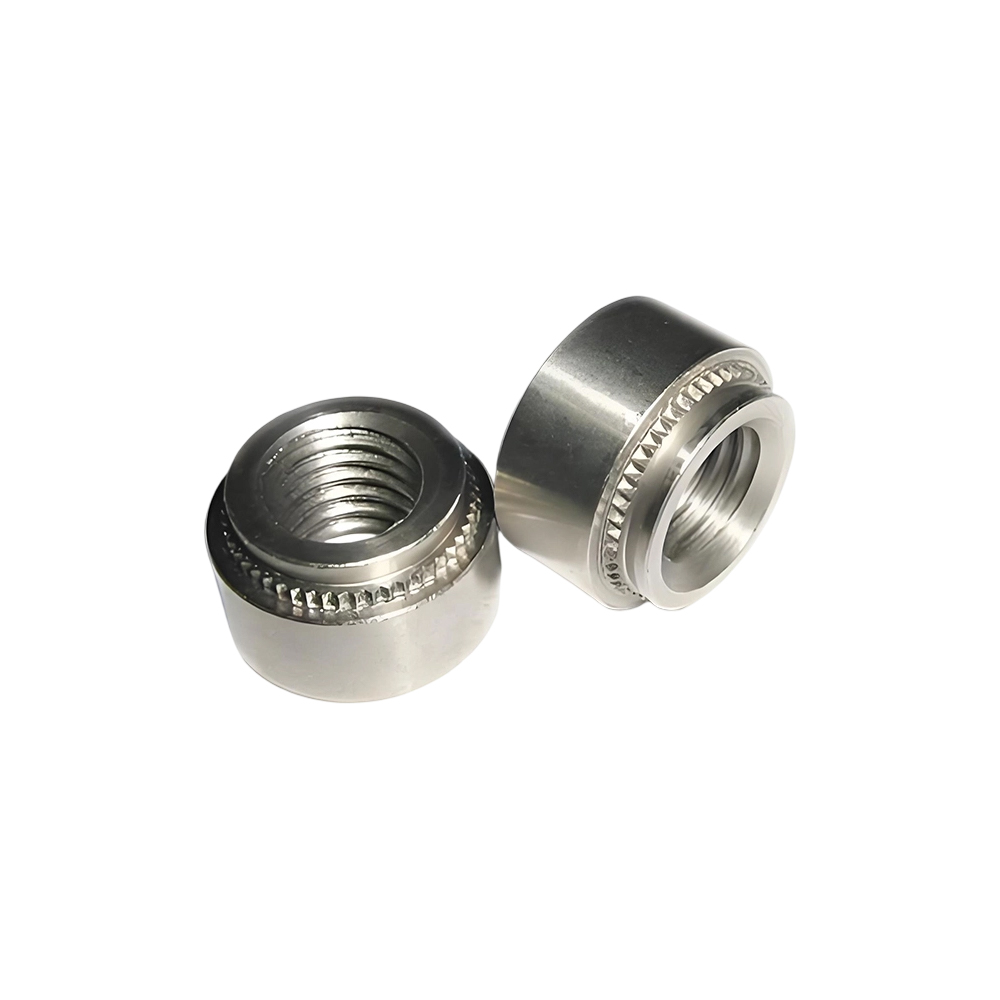
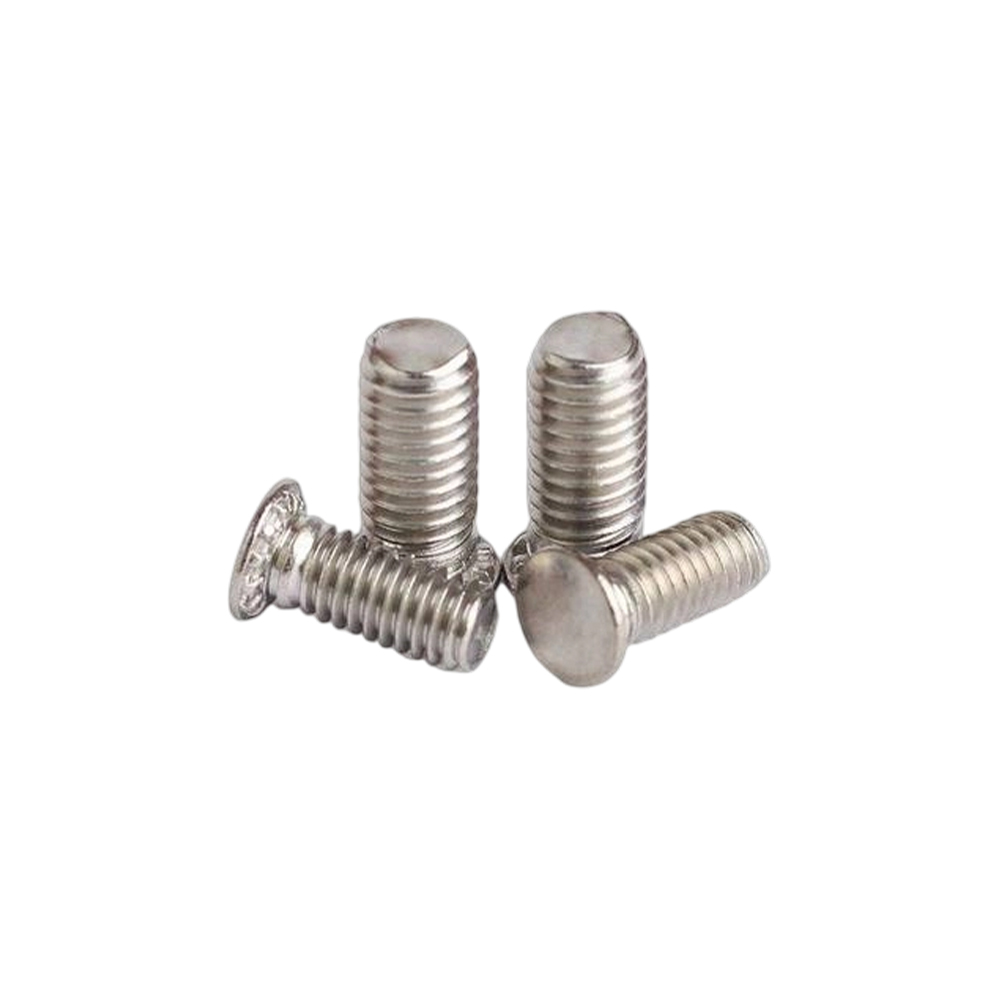
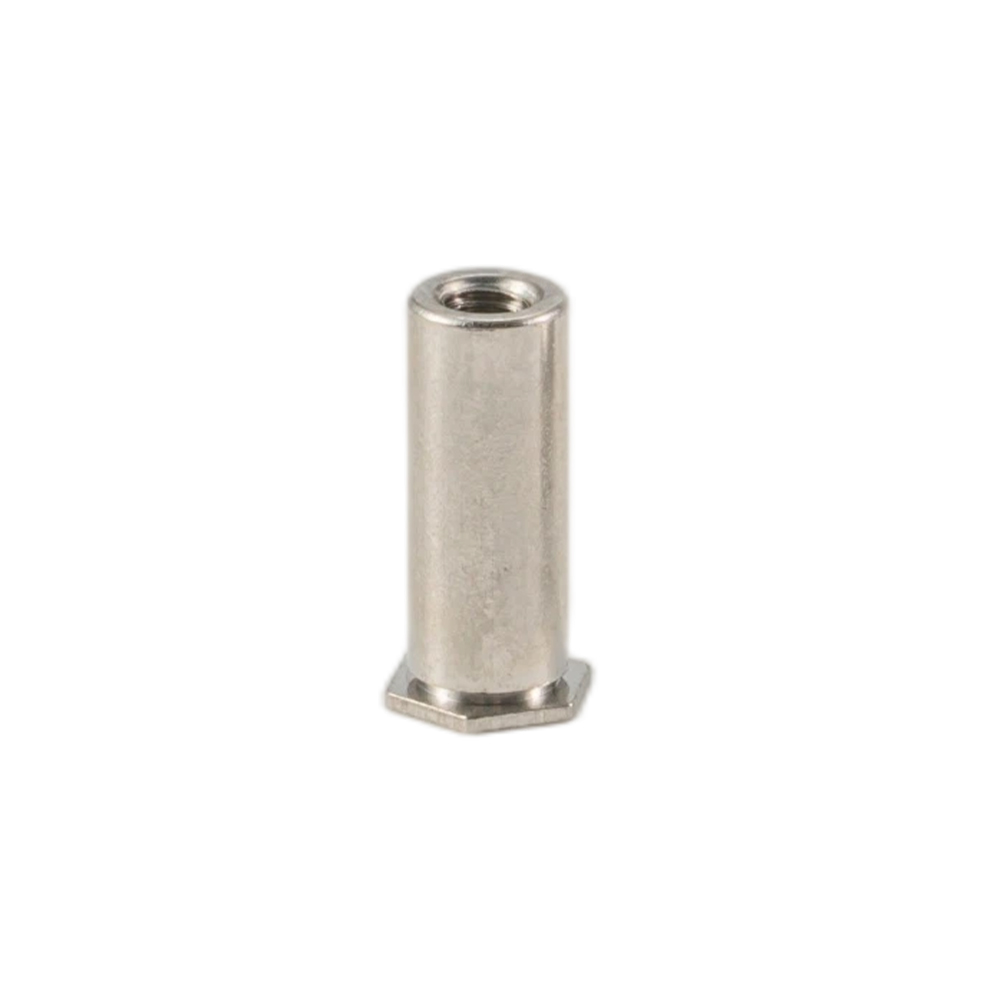
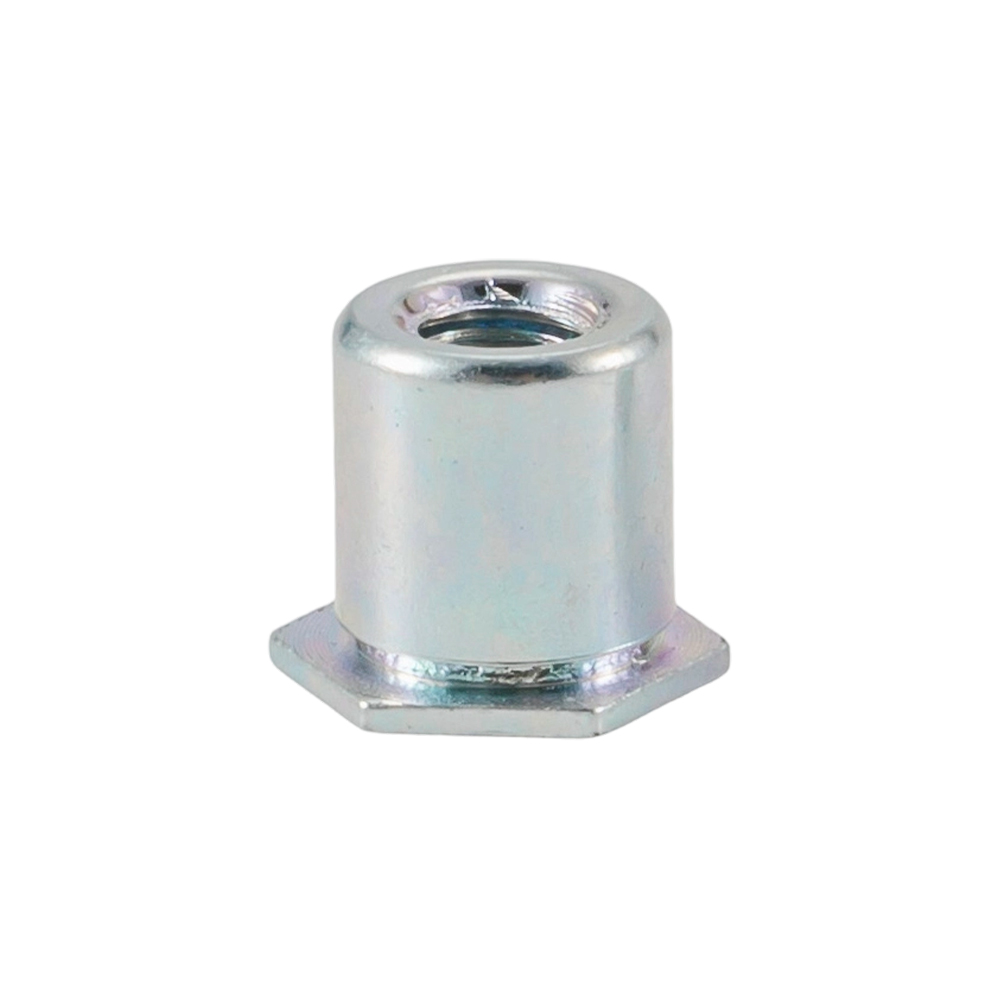
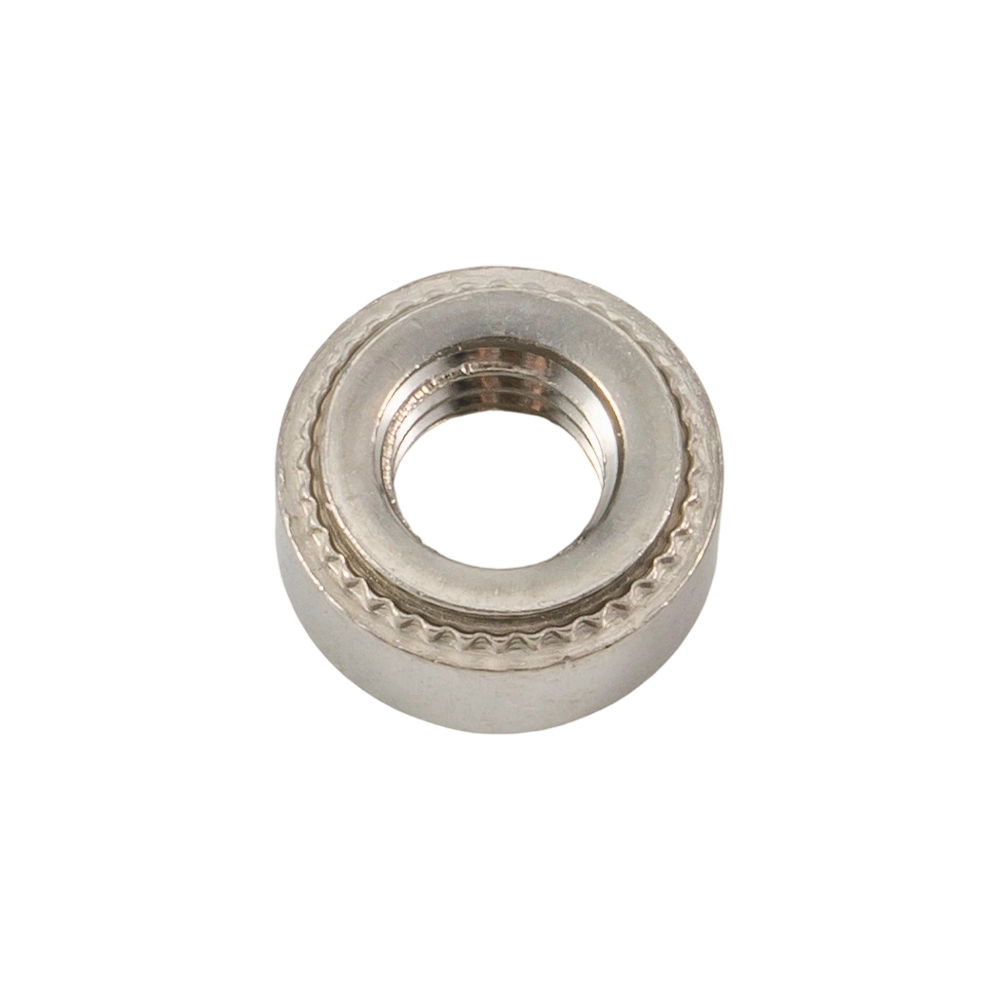
| Self-Clinching Nuts and Studs | Knurled or serrated shoulder pressed into the sheet, displacing material | Electronic housings and sheet metal parts on automated press lines |
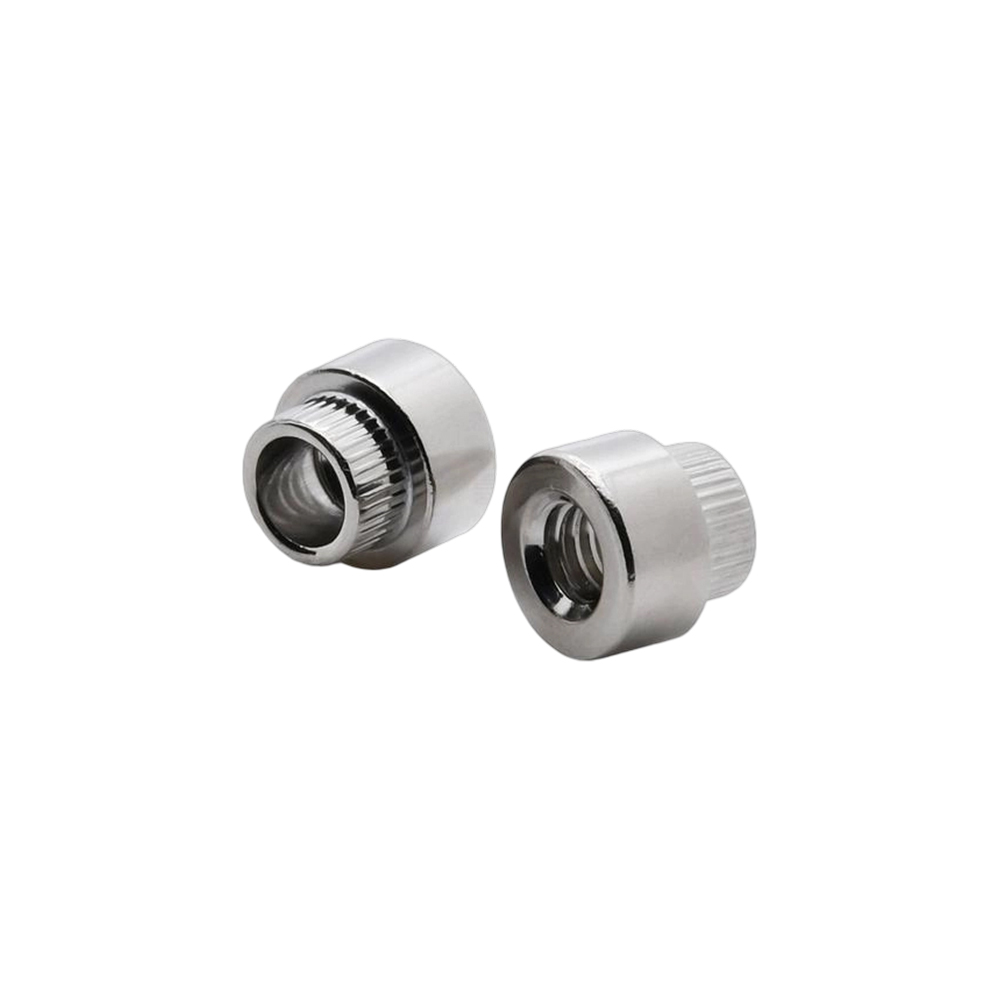
| Expansion Rivet Nuts | Riveting end expands to fit the hole wall tightly | Thin plates, sheet metal and plastic parts joined without welding |
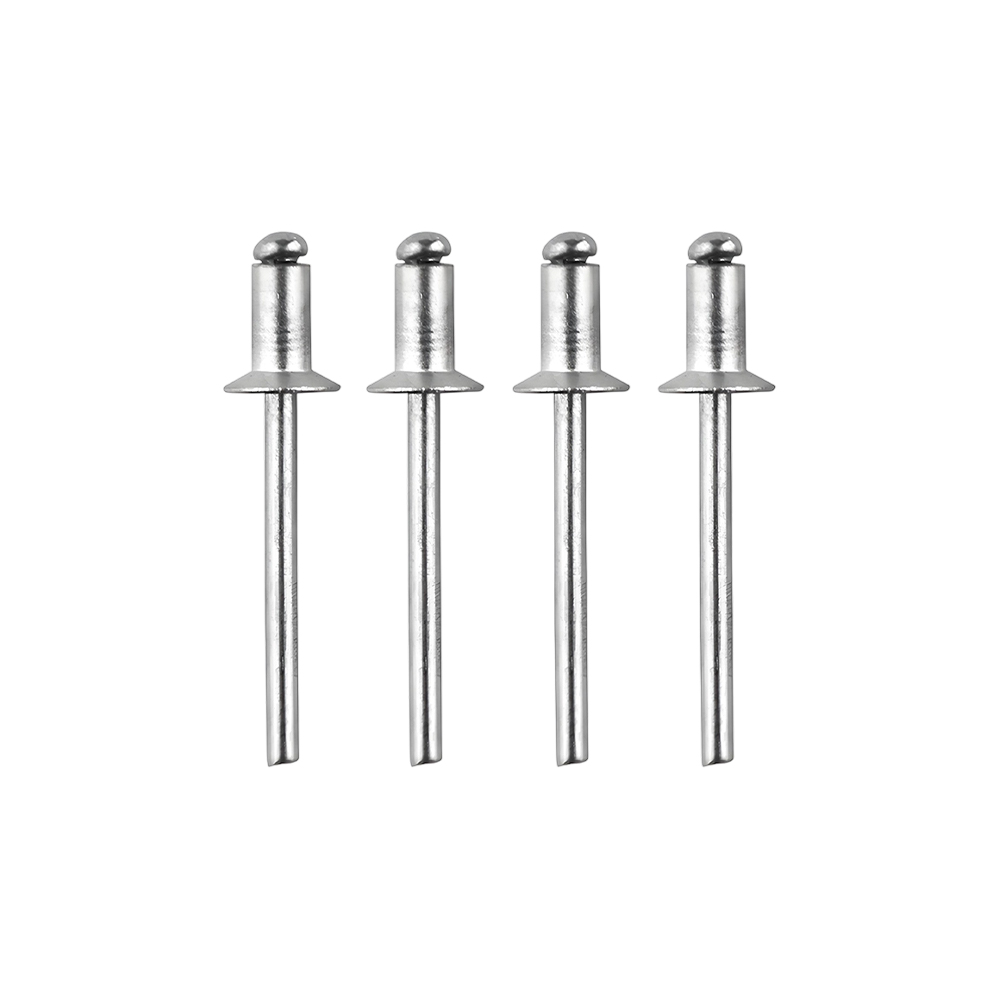
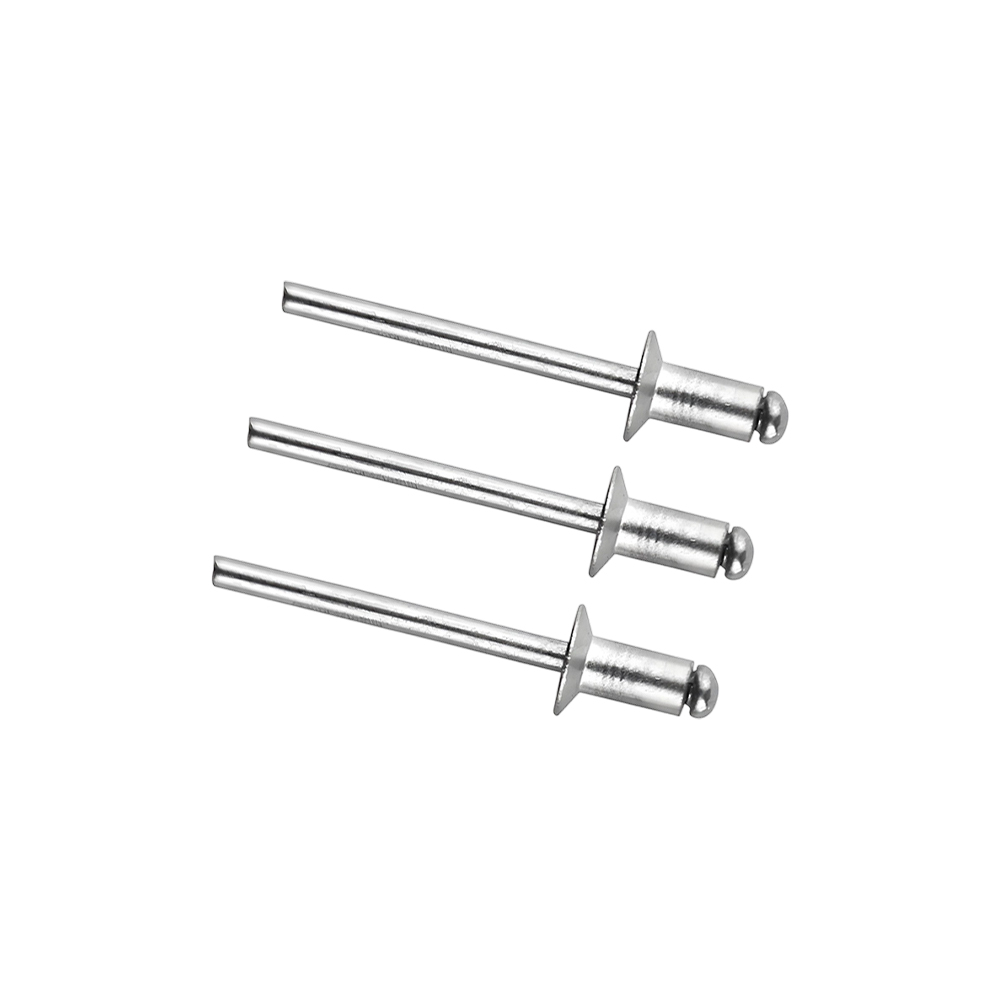
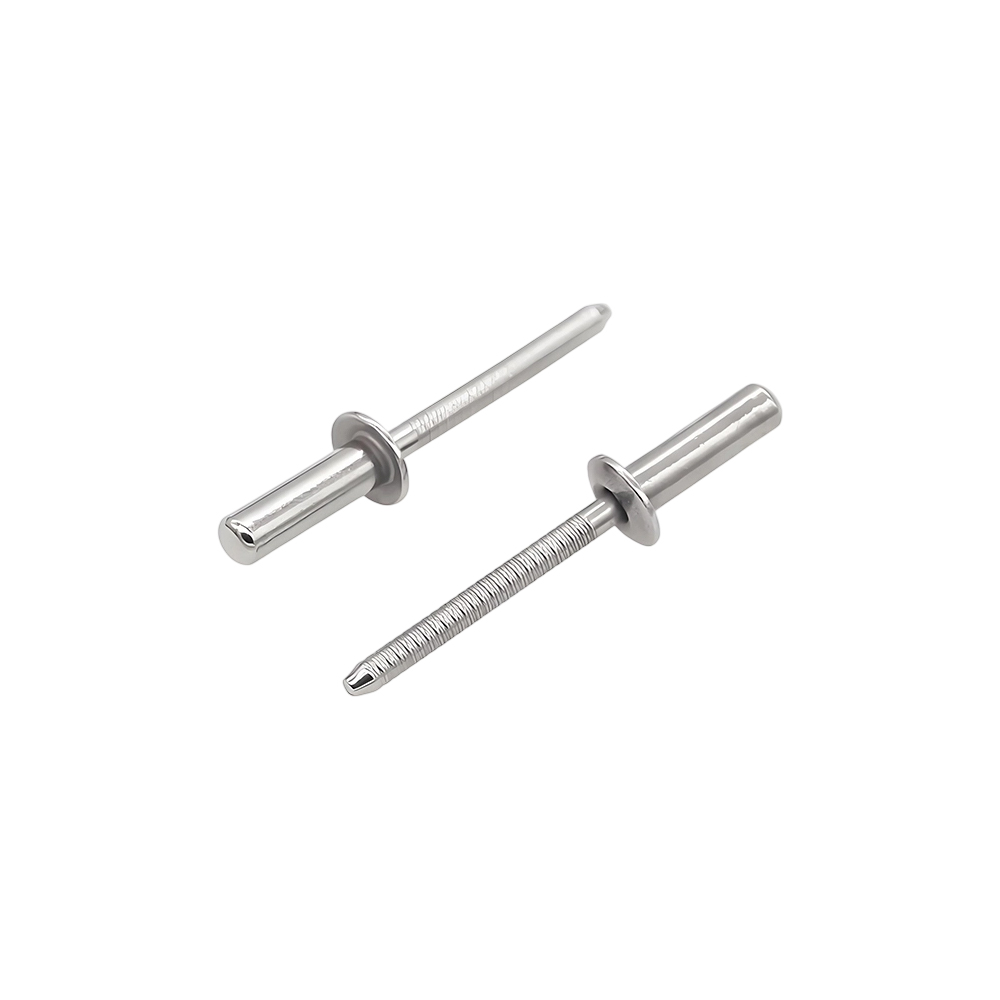
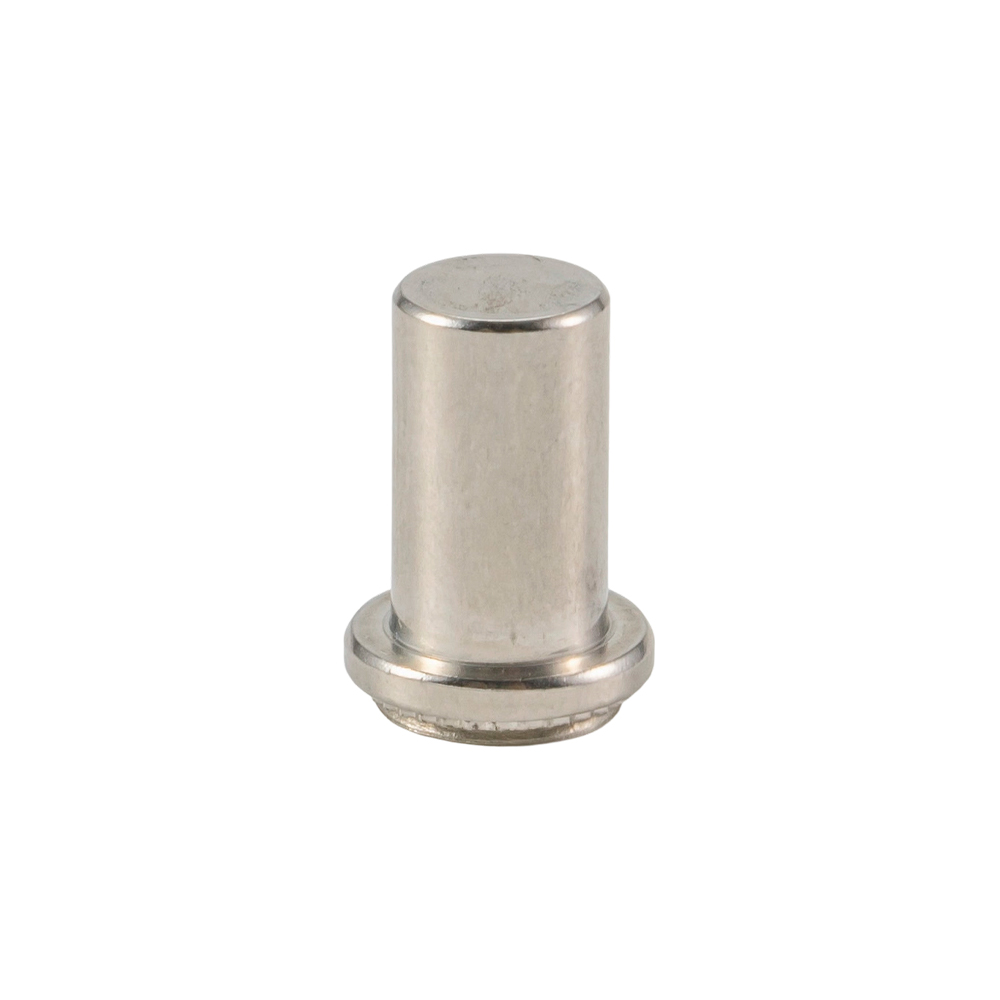
| Blind Rivets (open and closed end) | Mandrel pulls the body to form a second head from one side | Enclosures, brackets and panels assembled from one side only |
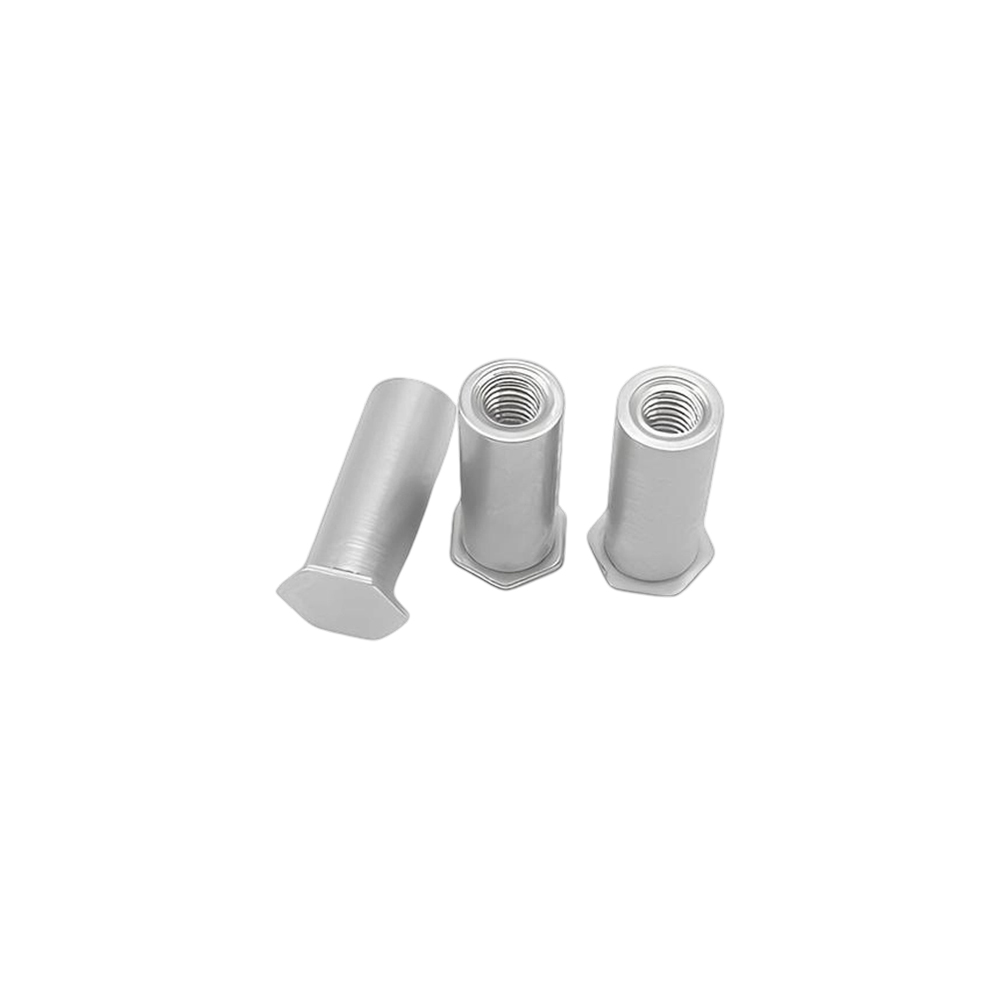
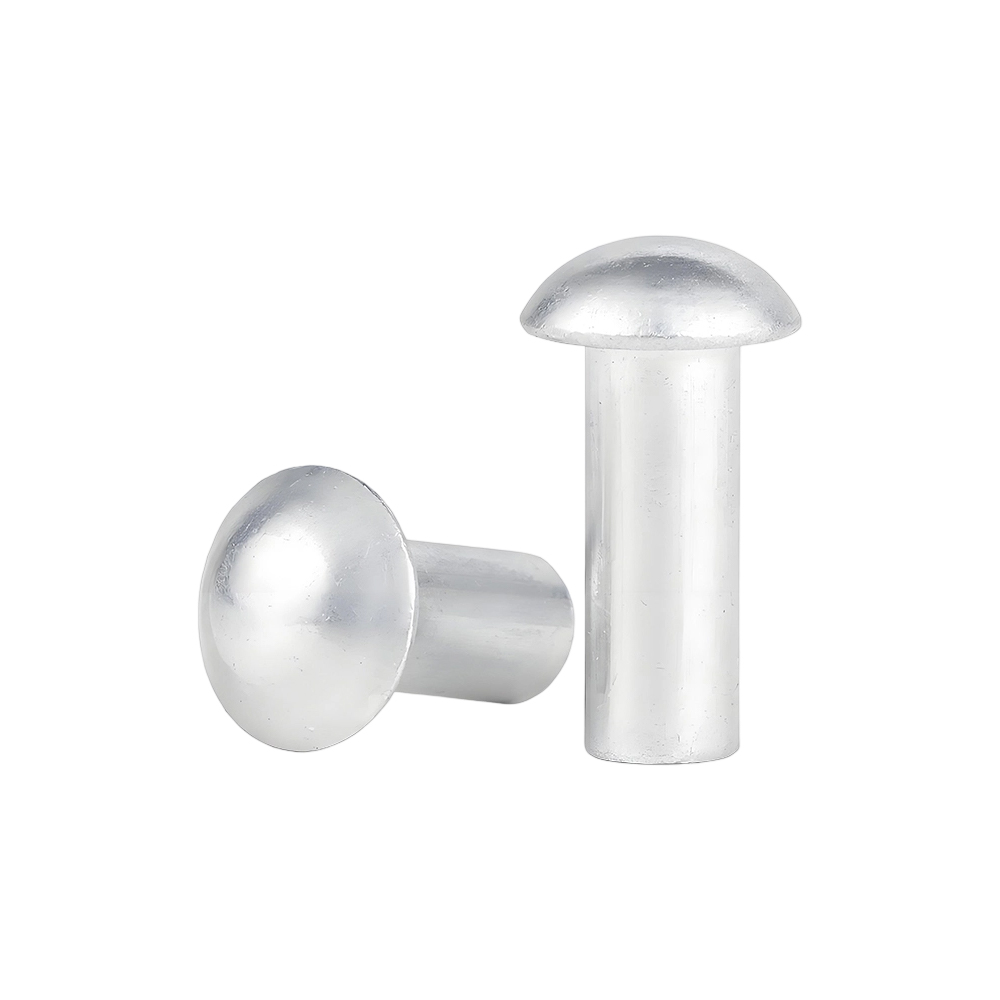
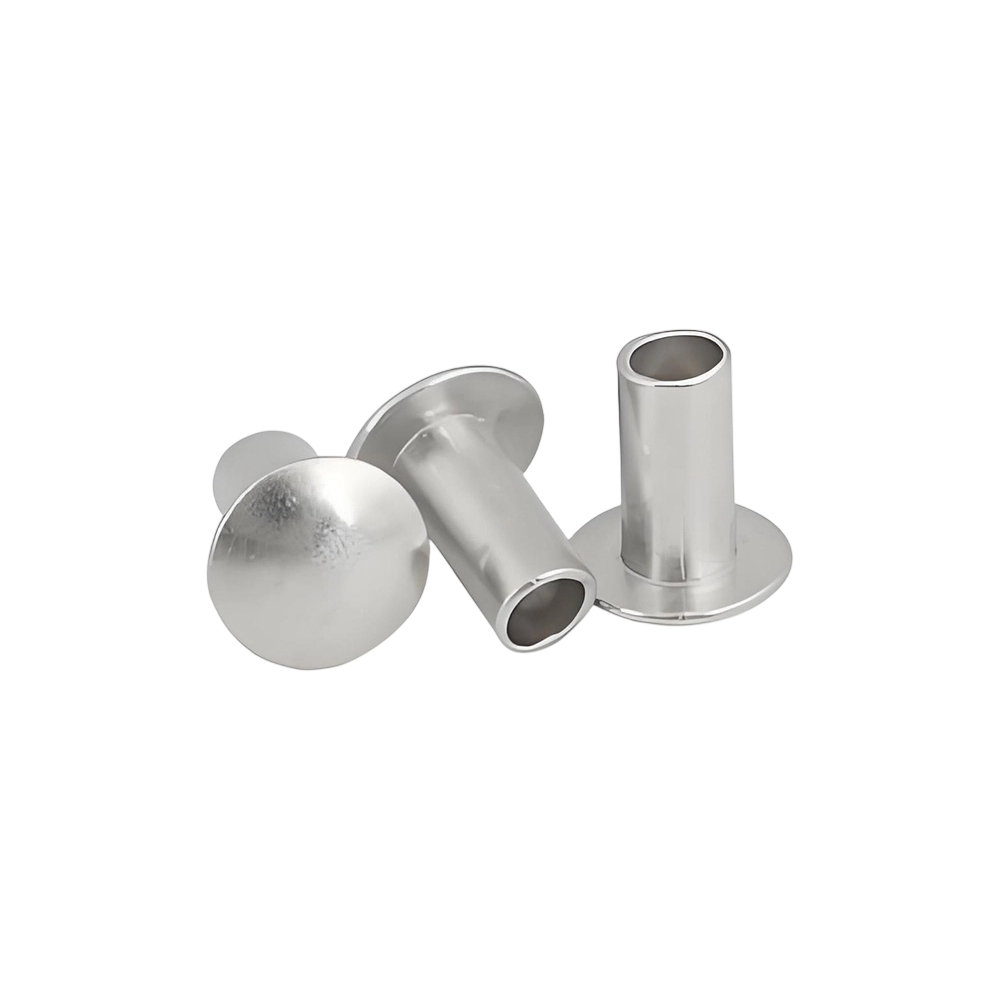
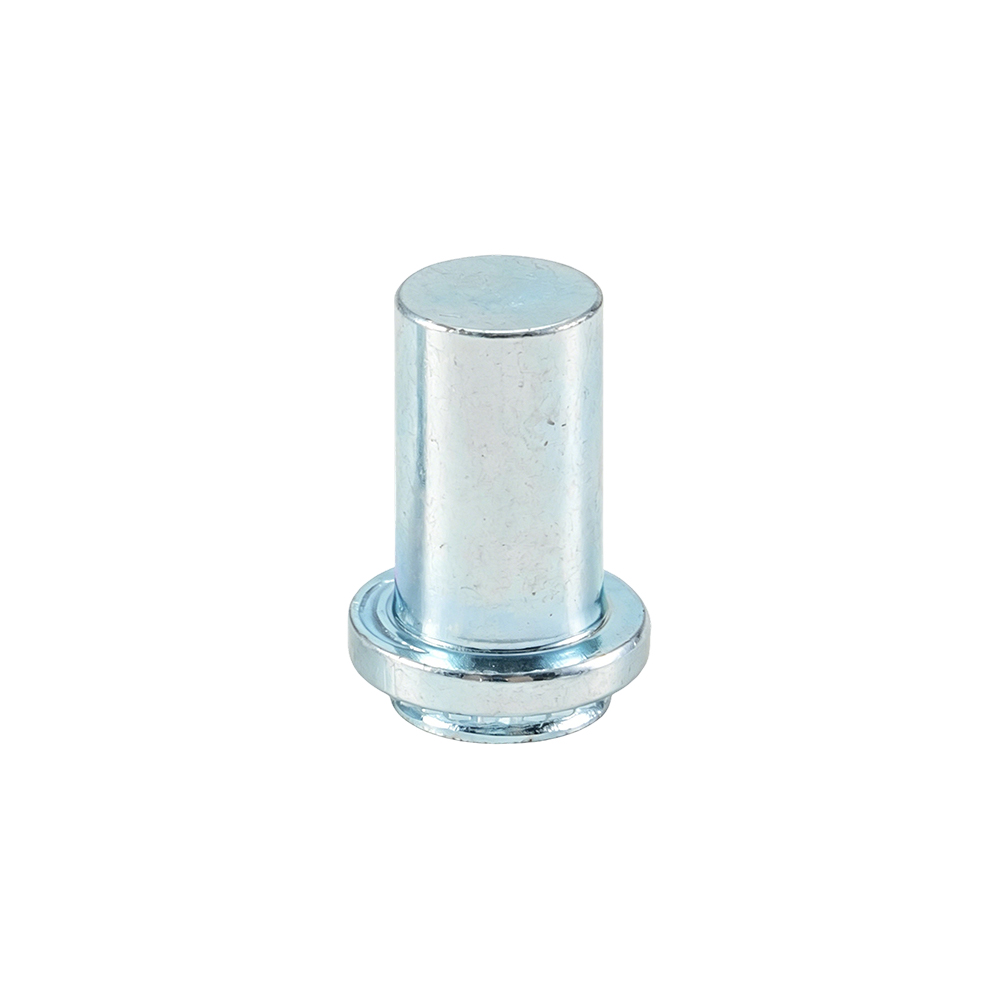
| Solid and Semi-Tubular Rivets | Shank is upset or rolled to form a permanent head | Permanent joints, hinges, contacts and high-vibration assemblies |
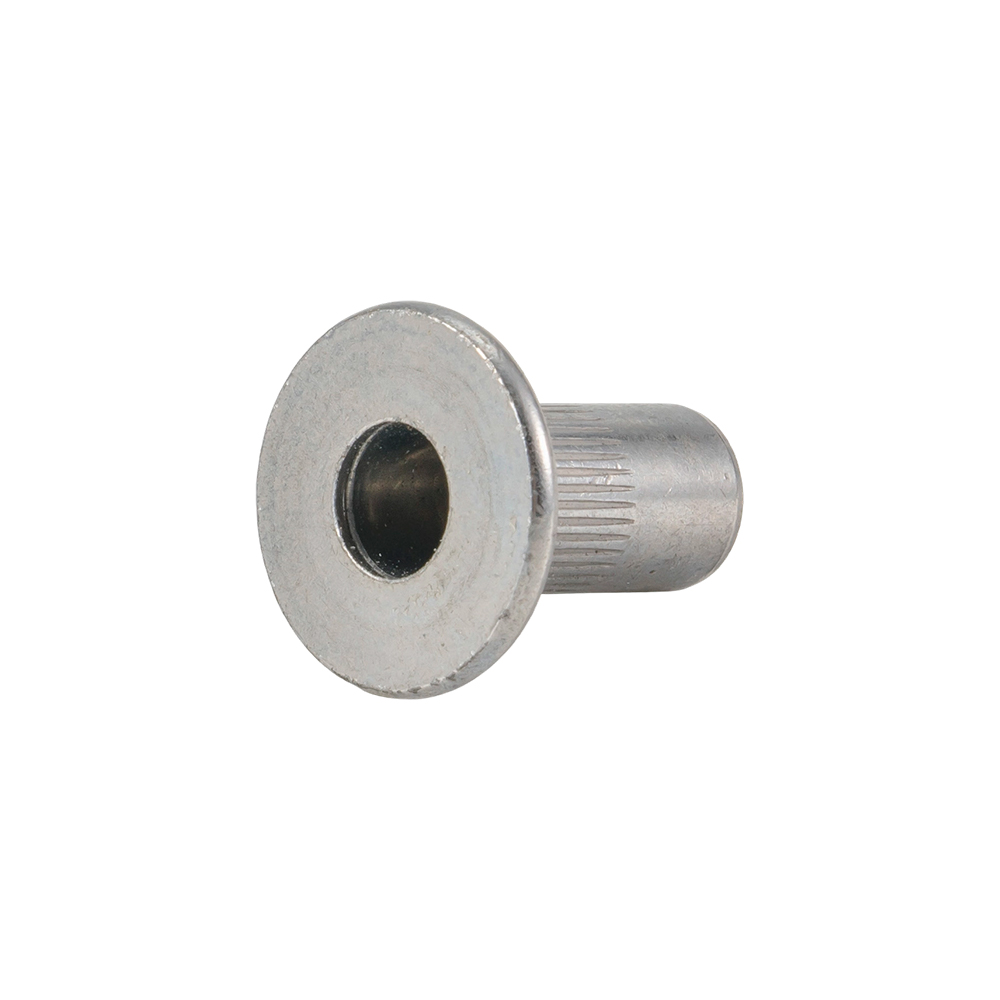
Threaded inserts are supplied in round, hexagonal, flat head, countersunk, small countersunk, semi-hexagonal, through-hole and blind-hole forms. Rivets are supplied in open-end, closed-end, solid and semi-tubular configurations. Where a standard form does not match the panel, we produce the special geometry from drawing or sample.
Rivet nuts and blind nuts suit enclosures and frames where the reverse face is inaccessible and a serviceable thread is needed for later assembly. Self-clinching nuts and studs suit flat sheet metal panels processed on automated press lines, where the serrated shoulder is embedded in one stroke and the panel then moves to final assembly without drilling or tapping.
Expansion rivet nuts fit thin plates, sheet metal and plastic parts where welding is impractical. Blind rivets serve brackets, panels and enclosures assembled from one side, with closed-end versions used where the joint must resist moisture or retain a sealed cavity. Solid and semi-tubular rivets are chosen for permanent, high-vibration joints such as hinges, contacts and structural pivots.
Riveted fasteners are produced on cold heading lines covering M0.8–M16 with forming lengths up to 190 mm, dedicated nut machines from M2 to M14, and cam lathes for stepped and special-shaped bodies. Incoming wire and bar are checked by spectrometer sampling before forming, and heat treatment is controlled to surface hardness HRC38–48 with a carburized layer of 0.003–0.005 mm where specified.
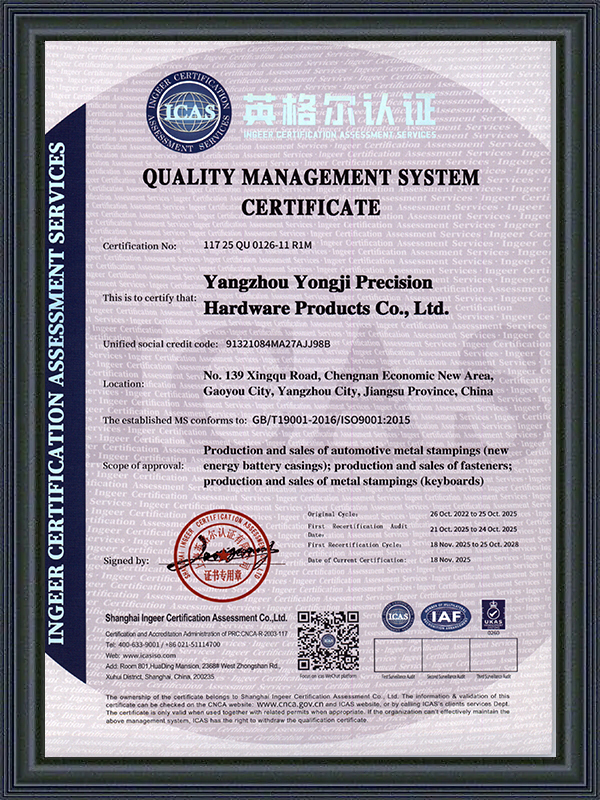
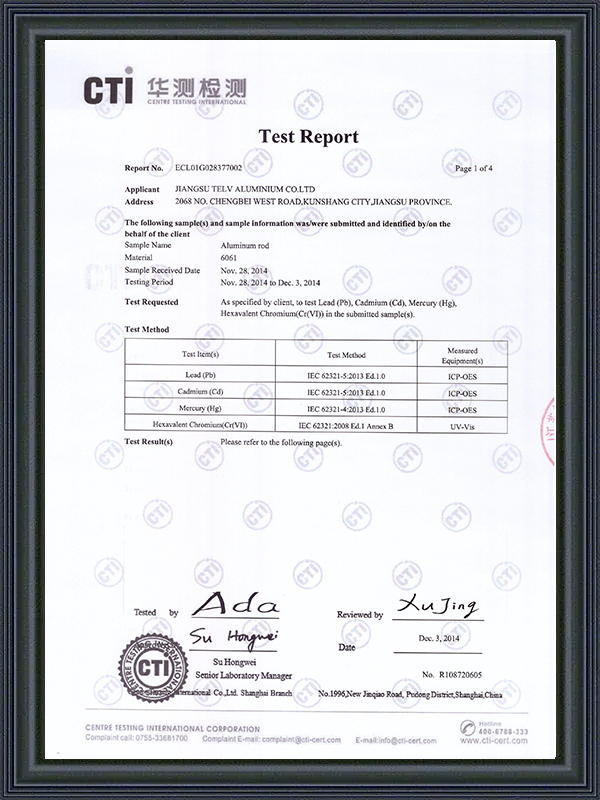
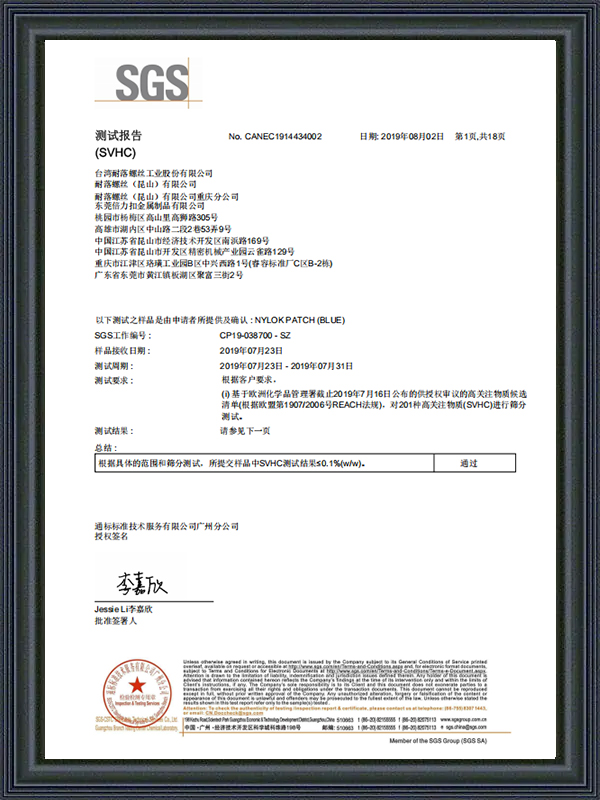
Our enclosed precision testing laboratory operates to IATF16949, ISO9001 and ISO14001 system requirements and covers dimensional inspection on a Zeiss CMM and 2.5D vision system, mechanical testing for tensile, torque and hardness, salt spray and humidity cycling, and metallographic analysis of carburized layers and failure modes. On request we issue material certificates, dimensional reports, salt spray reports, mechanical test reports, RoHS declarations and PPAP documentation.
Rivet nuts and expansion nuts are set with a manual or pneumatic riveting tool; self-clinching parts are installed with a press and a matching anvil. We supply the fastener geometry, recommended hole size and installation force range so the setting tool and press stroke can be matched to the joint, and we can review the mating panel drawing to confirm hole tolerance and edge distance before tooling is cut.
For automated assembly, we control thread concentricity, head flatness and knurl form so parts feed reliably through vibratory bowls and pick-and-place heads. Where a project moves from prototype to volume, we keep the same tooling definition across the Suzhou and Vietnam bases so the installed part behaves identically at both sites.
With these inputs we select the body geometry, material and finish, confirm the setting parameters, and quote against the production route that fits the volume. Prototype and pilot quantities are supported before a mass-production release.
A rivet nut, blind nut or blind rivet. Rivet nuts and blind nuts leave a reusable internal thread after the body expands against the panel, while blind rivets form a permanent second head from the front side. Both are installed without welding and without access to the reverse face.
A rivet nut deforms inside the hole and locks by expansion, so it tolerates a wider hole tolerance and works on closed sections. A self-clinching nut is pressed into the sheet so its knurled or serrated shoulder displaces panel material, giving a flush, high-pushout joint on flat sheet that suits automated press installation.
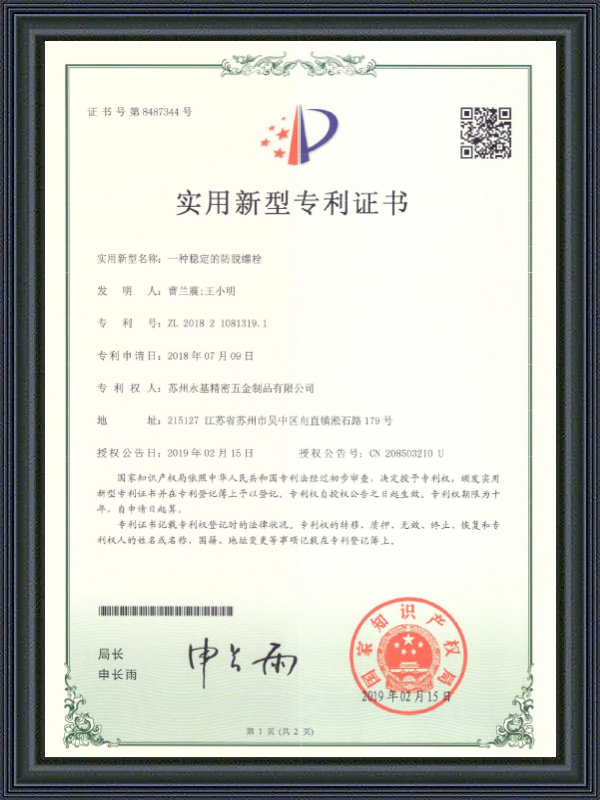
Yes. We develop special parts from drawings, samples and application data, covering non-standard thread sizes, head forms, knurl patterns, expansion structures and stepped bodies. Complex multi-step geometries can be produced by combining cold heading with CNC turning.
Depending on the project, we issue material certificates, full-dimensional inspection reports, salt spray test reports, mechanical test reports, RoHS declarations, 8D improvement reports and PPAP documentation. Inspection plans can be set to your AQL standard, and test schemes can be adapted to your internal specification.
Parts are cleaned, inspected and packed in bulk or in feeder-ready containers according to the assembly method. Packaging, labelling and delivery scope are agreed at order confirmation, and production can be allocated across our China and Vietnam plants for stable supply.
Our portfolio also includes PREV:Self-Clinching Nuts, Wholesale Expansion Rivet Nuts Suppliers for applications with different operating ranges, interfaces or integration requirements.
Copyright © 2026 by Yongji Precision Hardware Co., Ltd. Rights Reserved.
Custom Rivet Nuts Manufacturers
