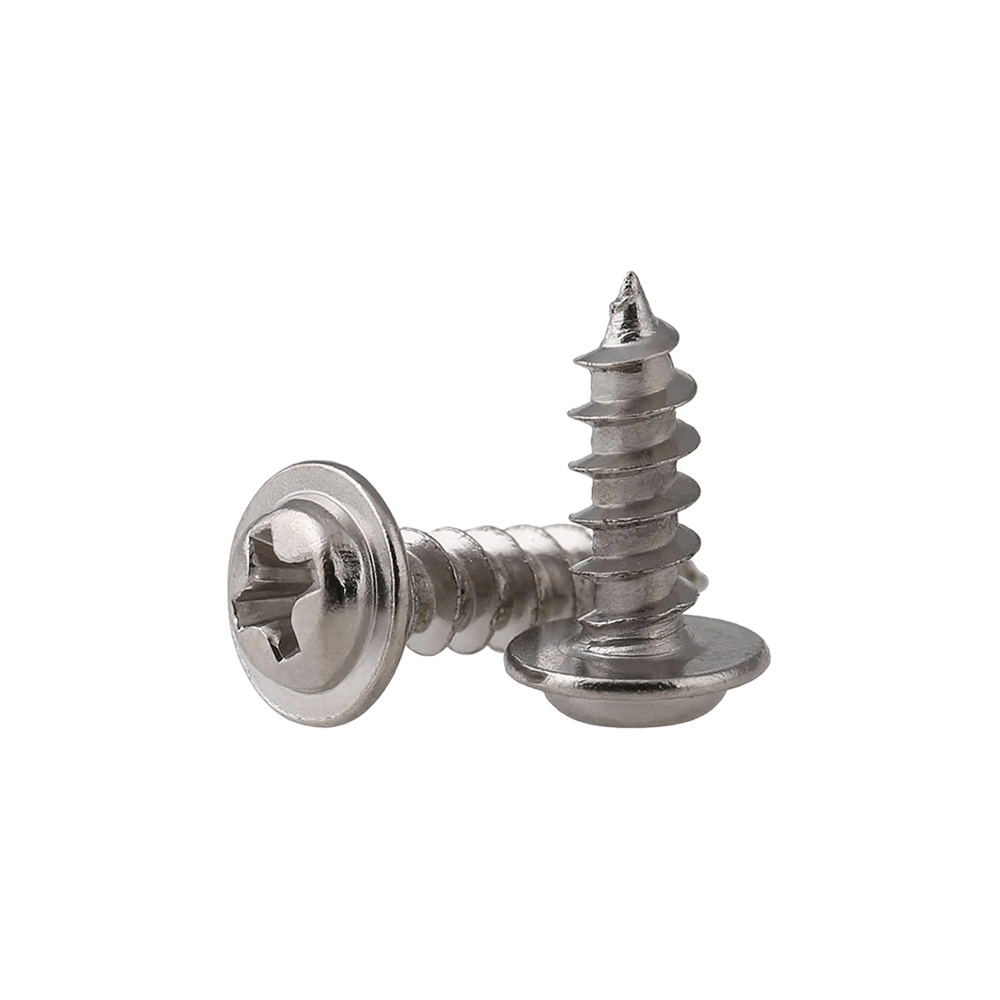
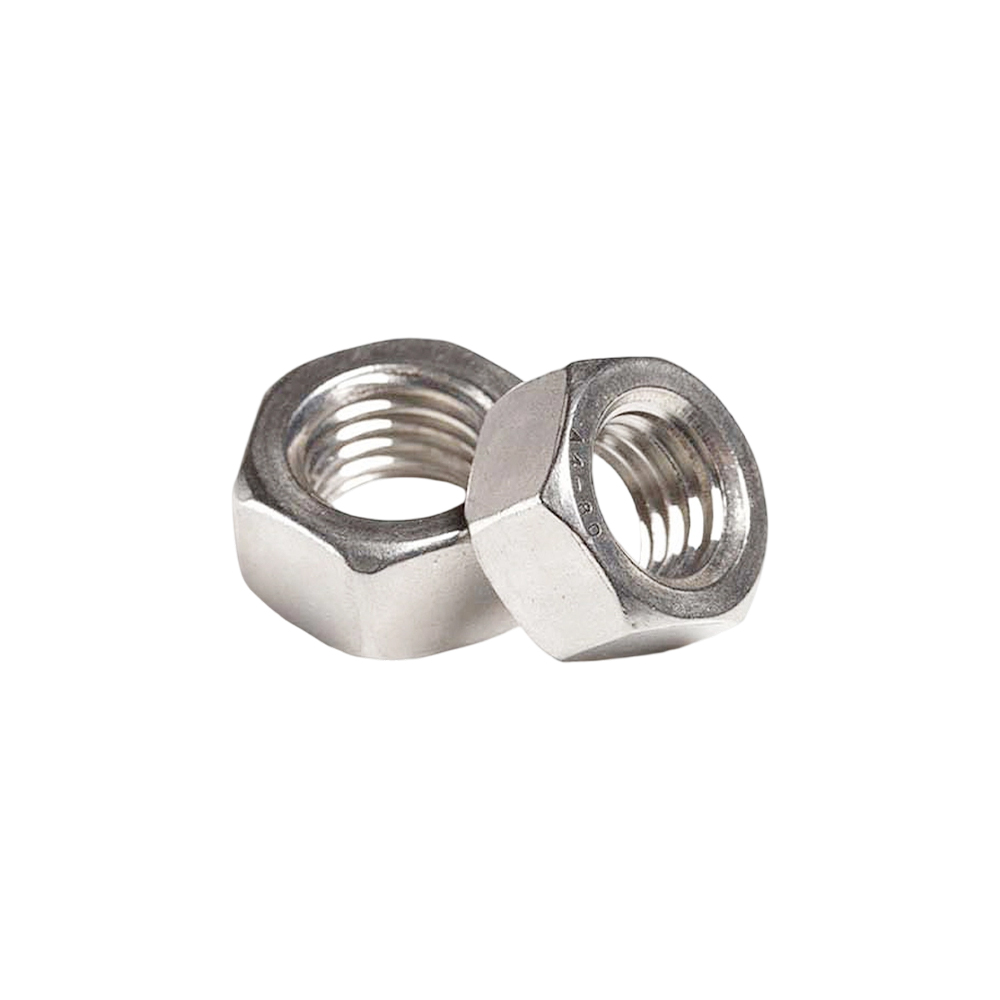
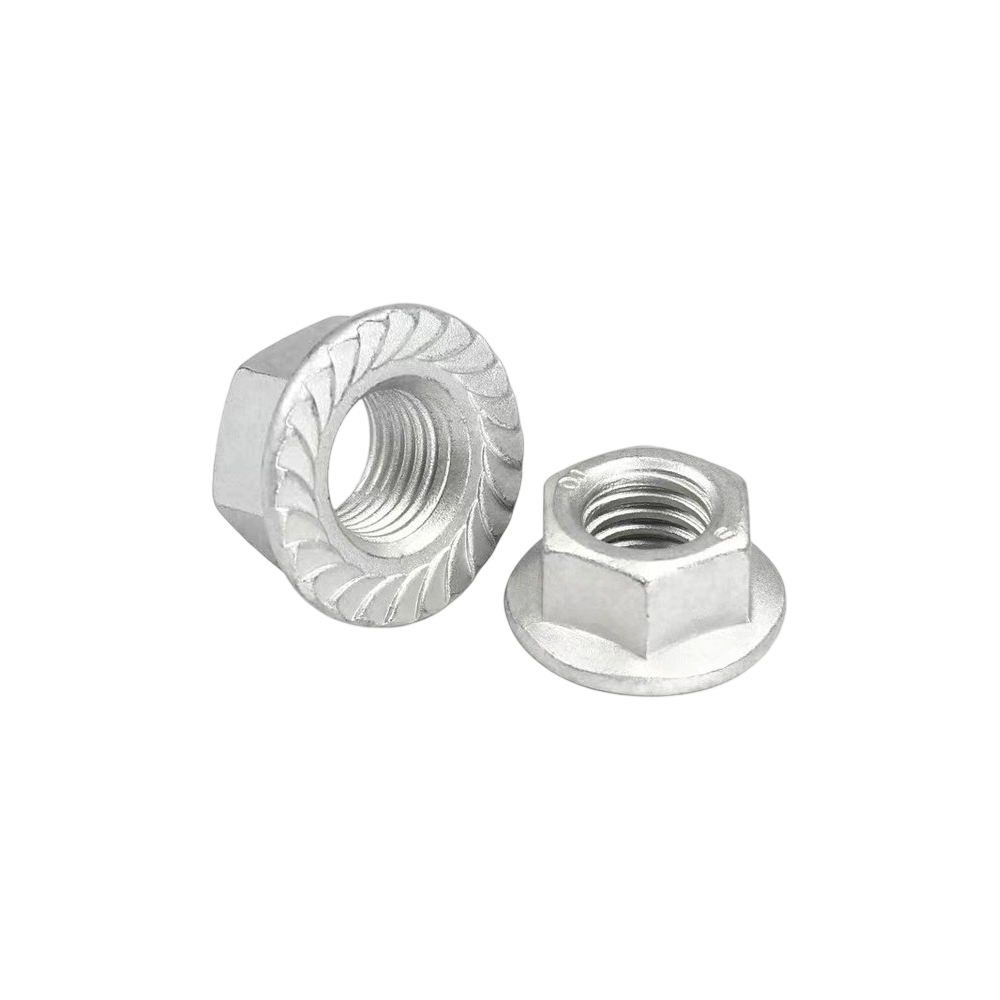
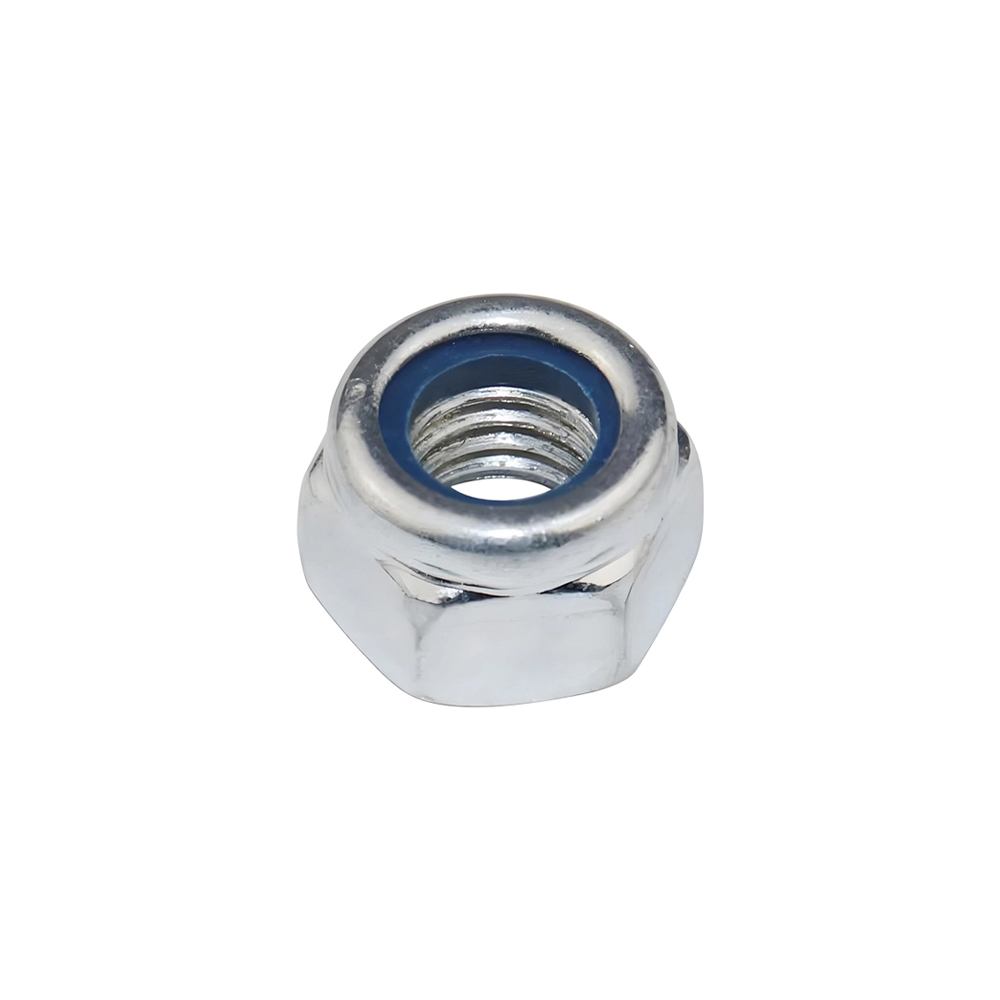
Yongji Precision Hardware Co., Ltd. is a Standard Fasteners manufacturer producing cold-headed bolts, machine screws, self-tapping screws, SEMS assemblies and nuts for OEM and ODM programs. Our Suzhou and Vietnam cold heading lines run M0.8 to M16 forming with in-house heat treatment, thread rolling, surface finishing and laboratory inspection, so a single purchase order covers forming, finishing and documentation.
The range serves telecom and networking cabinets, new energy vehicles, energy storage racks, displays, notebooks and industrial automation equipment, where thread quality, strength class and coating durability decide whether an assembly line stays in tolerance.
What We Manufacture in Standard Fasteners
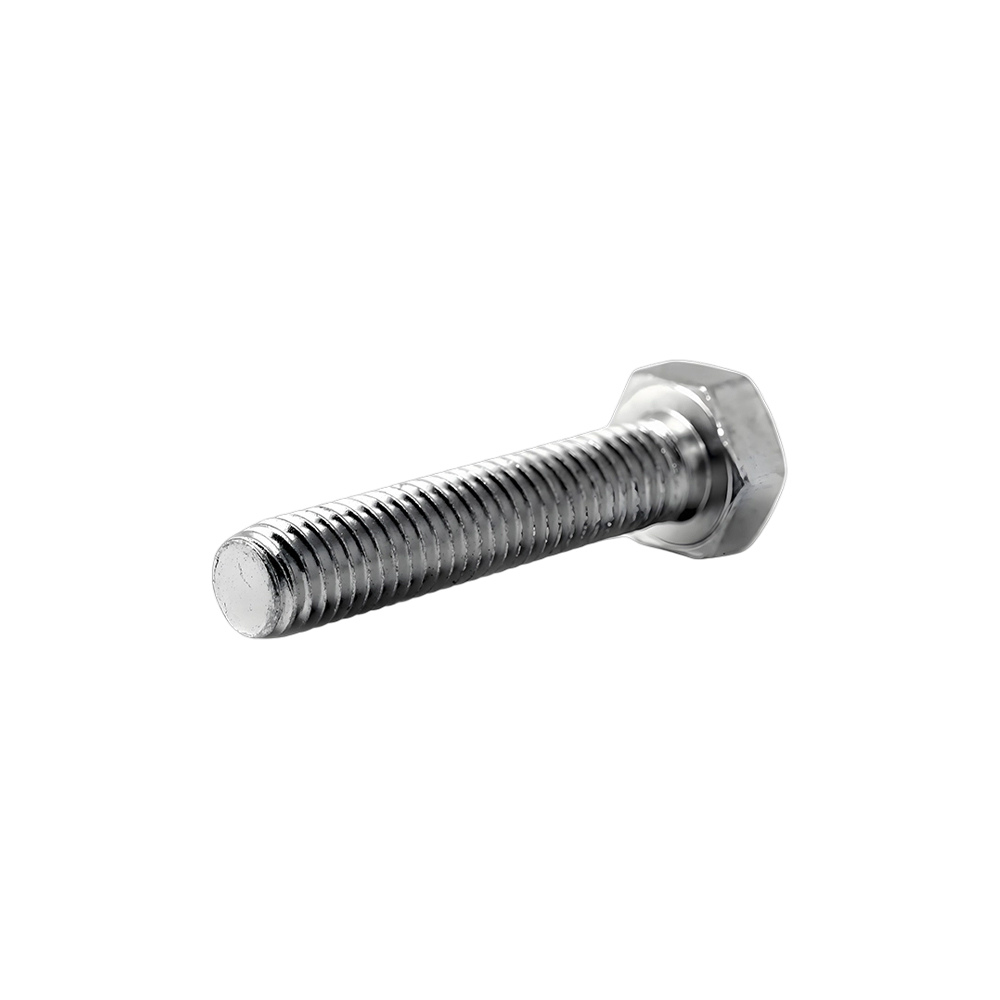
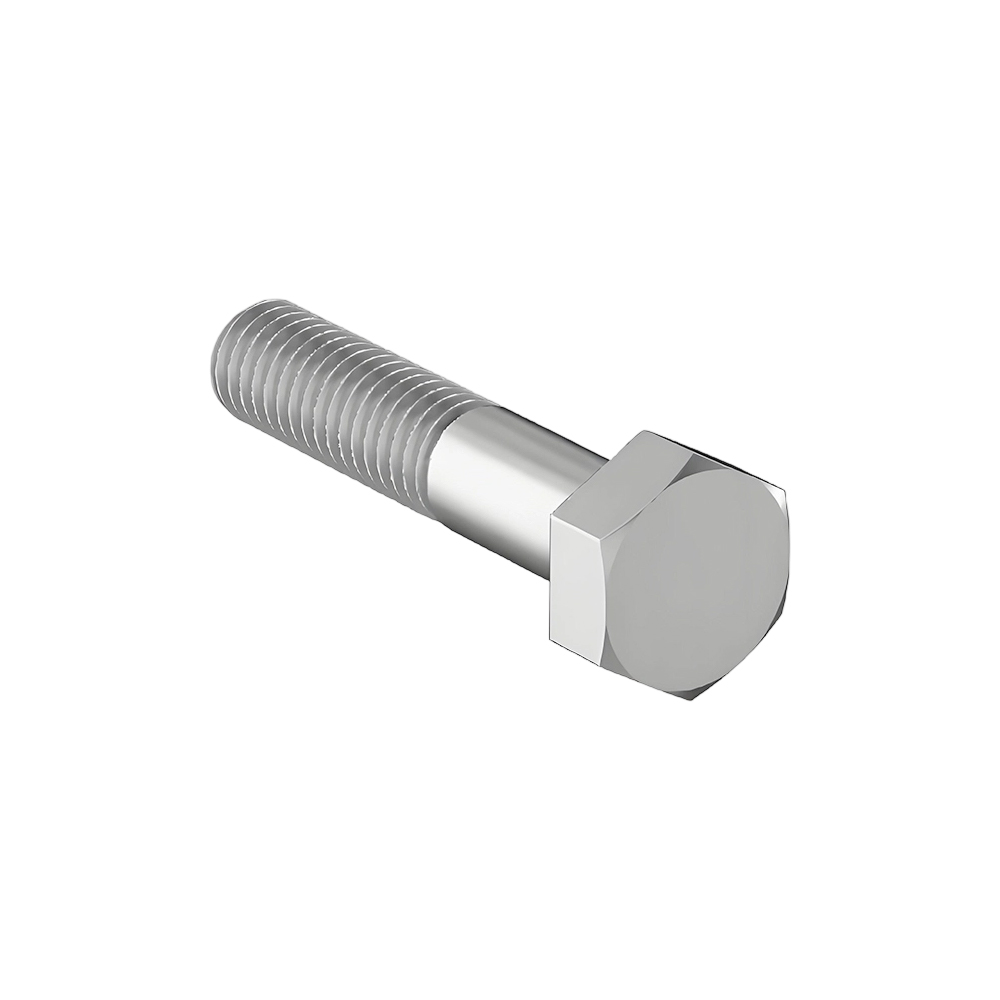
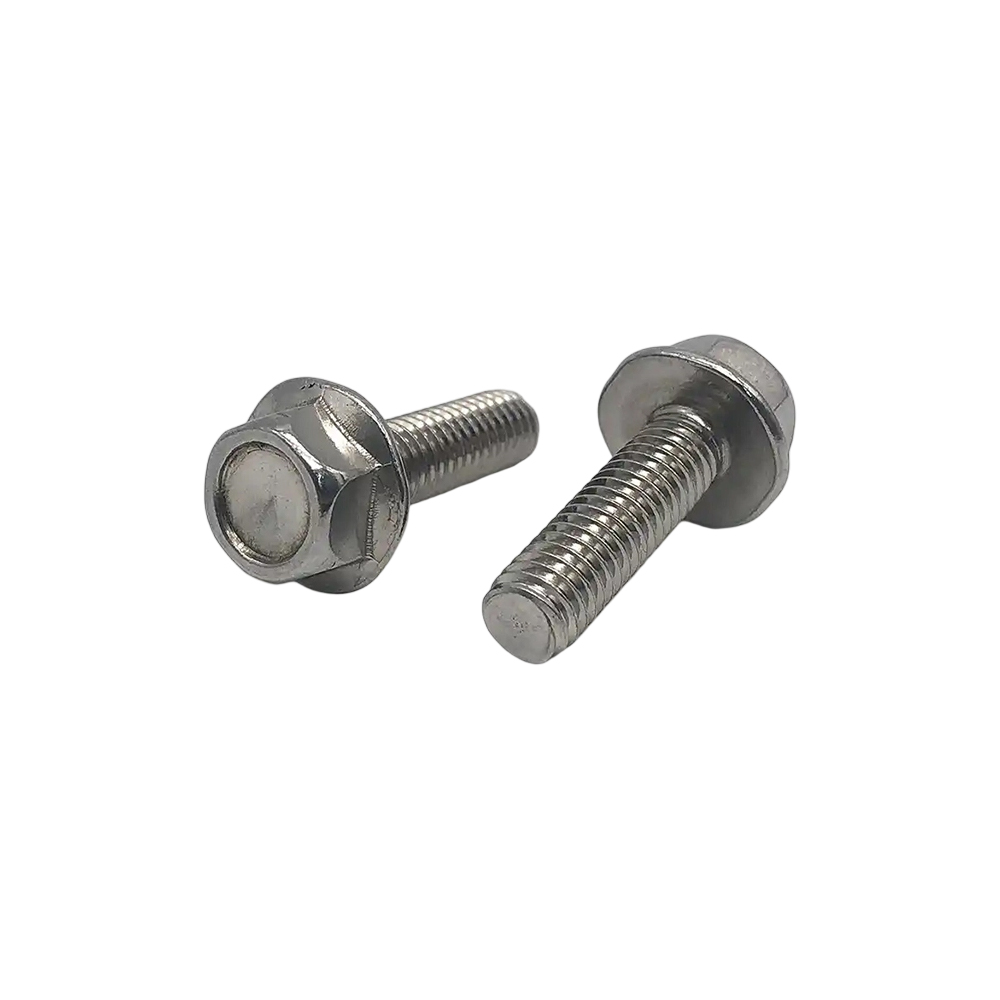
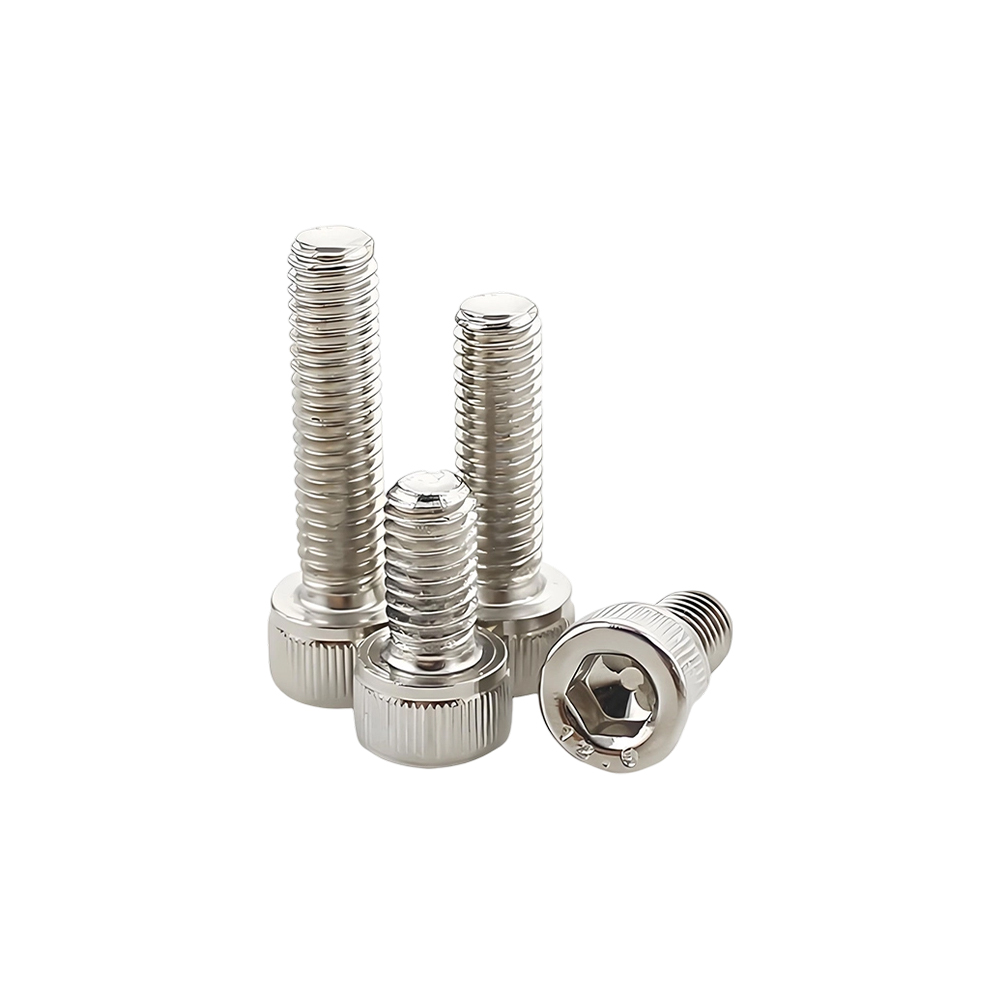
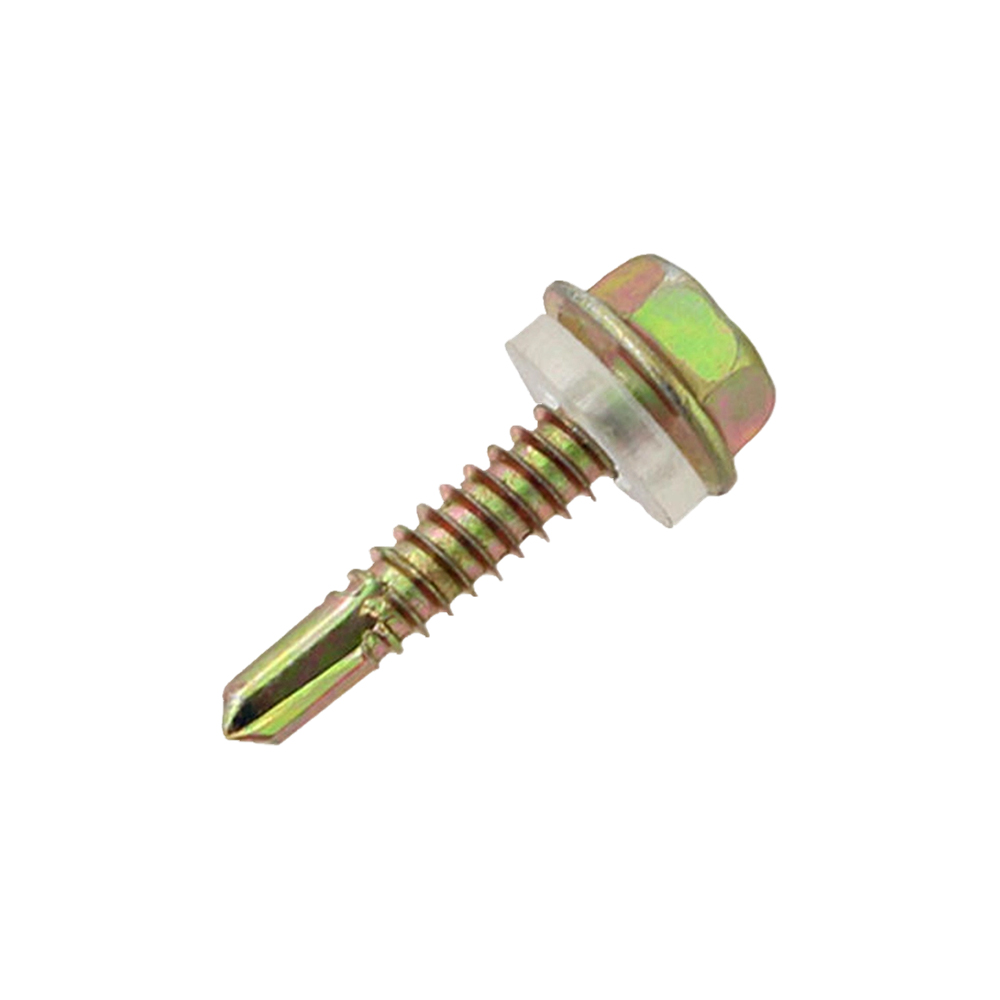
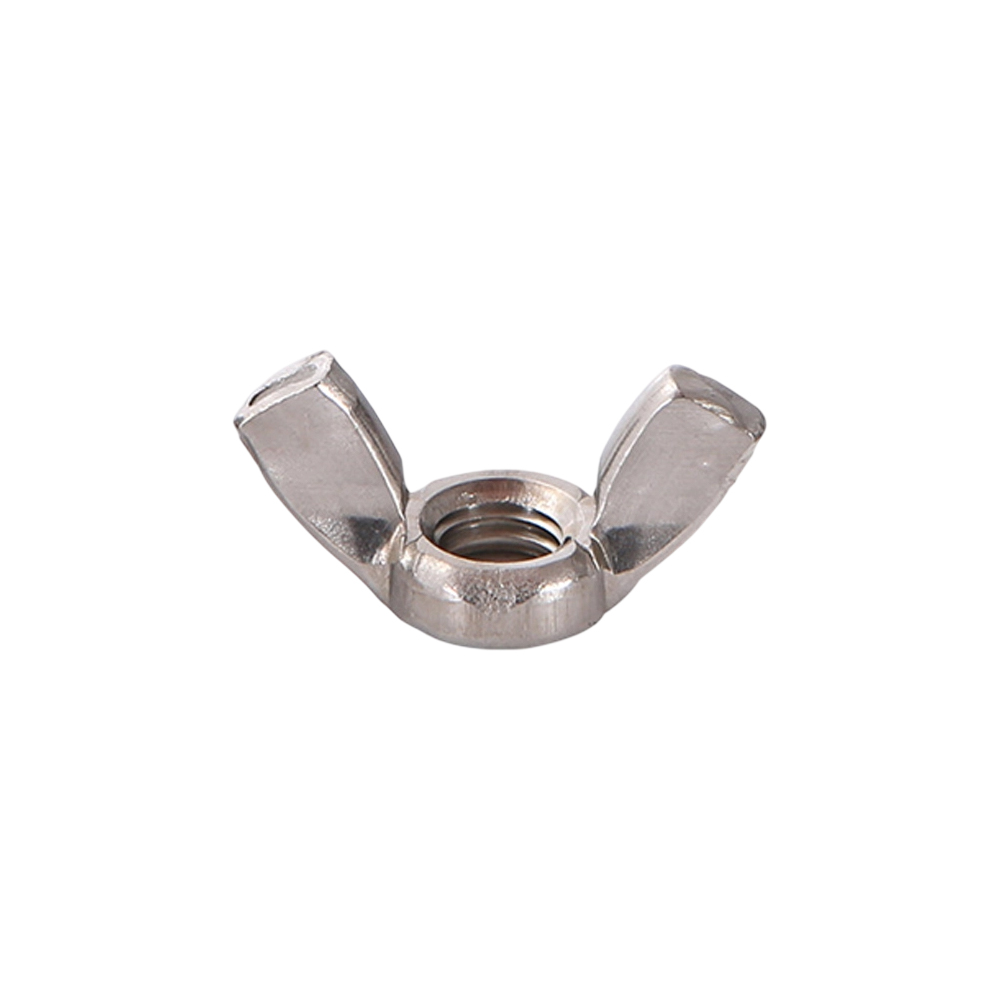
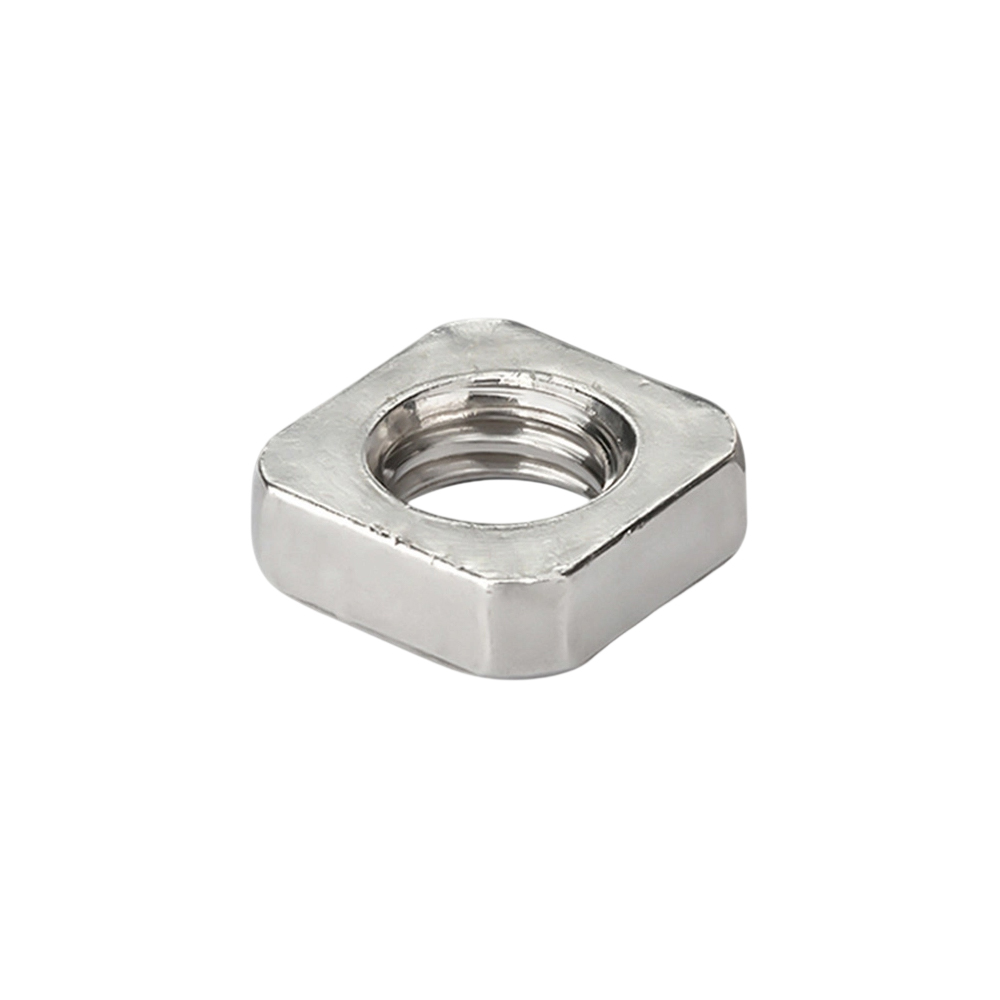
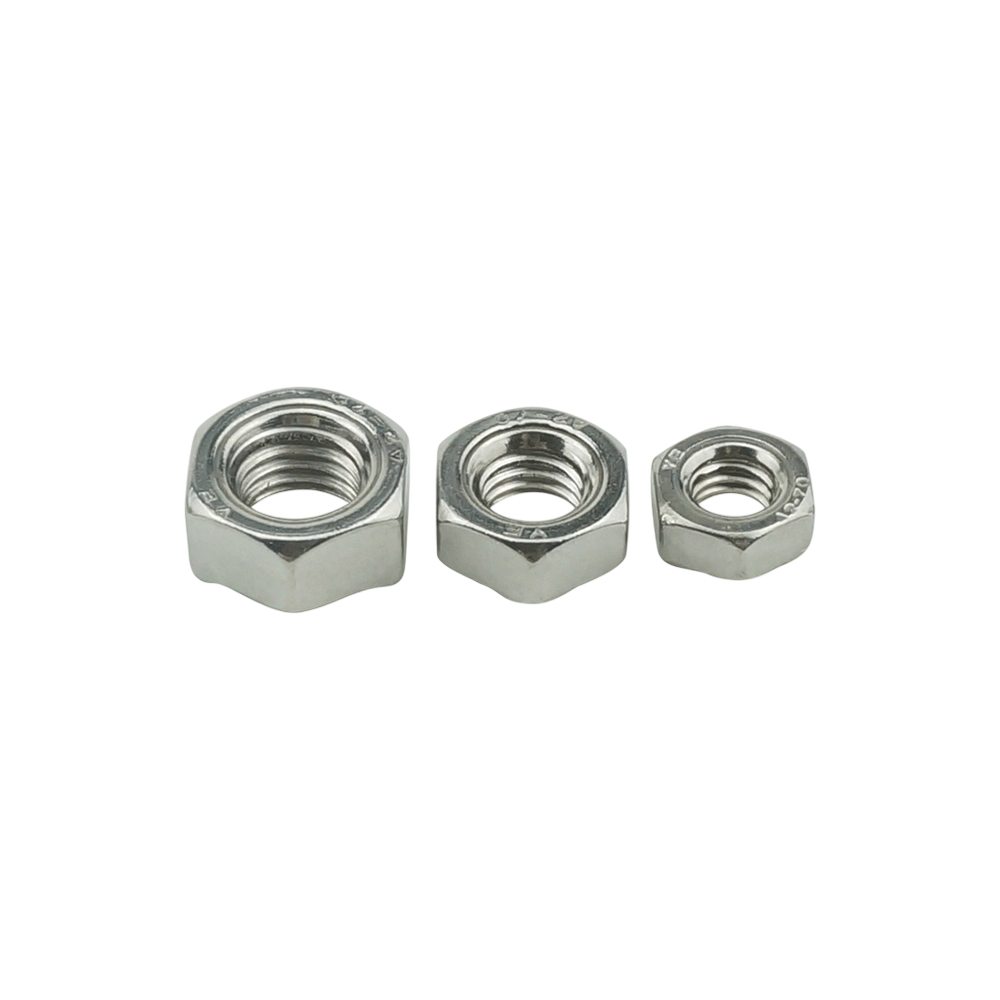
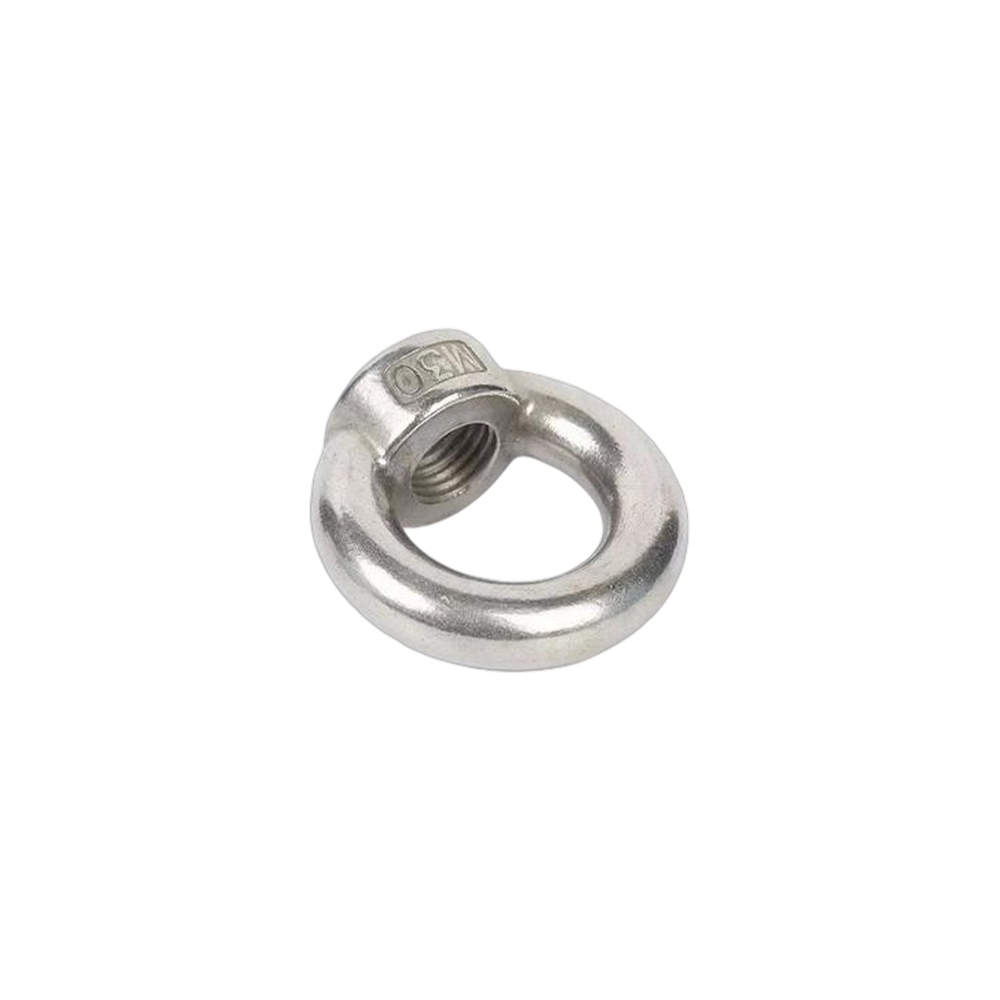
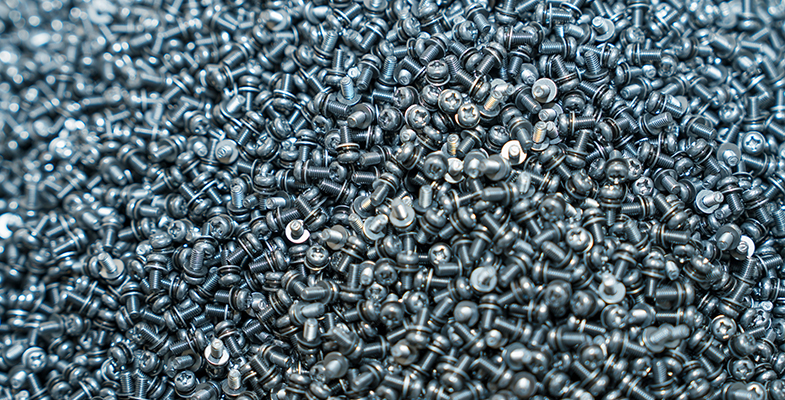
Our standard fastener family covers the threaded connections that appear most often on a bill of materials: hex head bolts, flange bolts, socket head cap screws, machine screws in pan and countersunk heads, self-tapping screws, SEMS screw-and-washer assemblies, and a full nut range from hex nuts to weld nuts and nylon insert lock nuts. Each item is produced to a named executive standard rather than an internal shorthand, so the drawing, the standard and the delivered part agree.
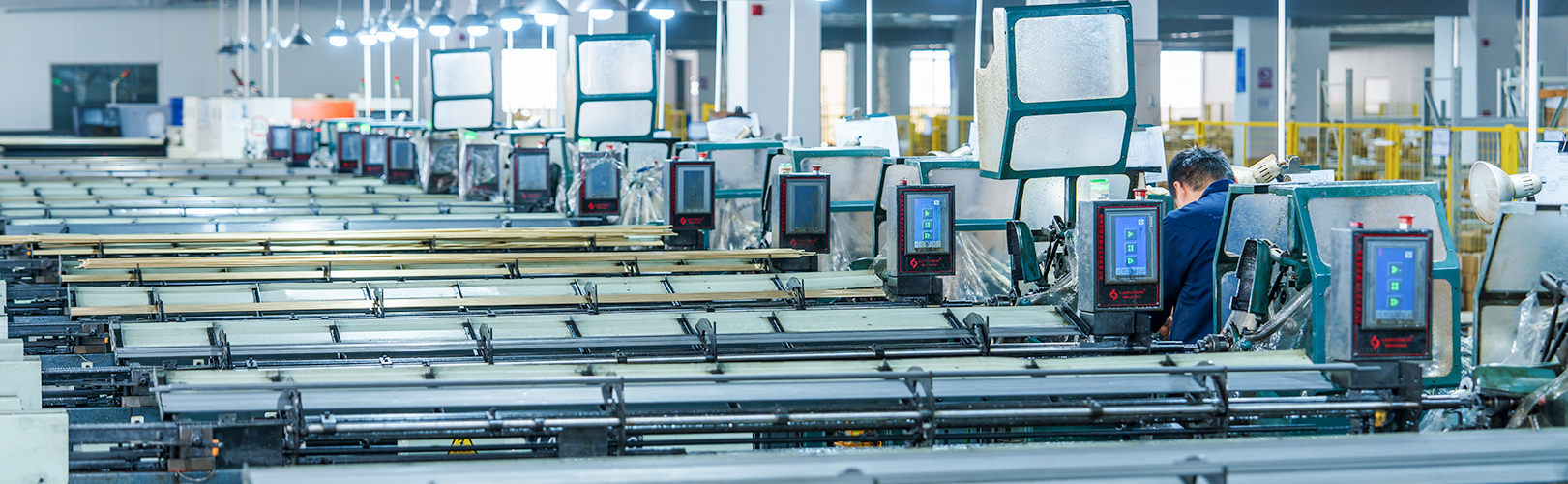
Cold heading forms the head and shank in one high-speed operation, which keeps grain flow continuous through the head-to-shank transition and gives better fatigue behaviour than a cut thread on a turned blank. Threads are then rolled, not cut, so the material is compressed rather than removed.
Our Standard Fastener Range and Where Each Type Fits
| Product type |
Typical executive standards |
Application fit |
| Hex Head Bolt (Full Thread) |
GB/T 5783, ISO 4017, DIN 933, ANSI/ASME B18.2.1 |
Heavy machinery, steel structures, equipment assembly where full thread engagement and uniform stress distribution are required |
| Hex Head Bolt (Partial Thread) |
GB/T 5782, ISO 4014, DIN 931, ANSI/ASME B18.2.1 |
Machinery, automotive parts and steel structures needing a smooth shank for shear and positioning |
| Hex Flange Bolts |
GB/T 16674.1, ISO 4162, DIN 6921, ANSI/ASME B18.2.1 |
Automotive, appliances and outdoor equipment; serrated flange replaces a flat washer and resists loosening |
| Socket Head Cap Screw |
DIN 912, ISO 4762, ANSI/ASME B18.3 |
Tooling, fixtures and compact assemblies where head clearance is limited |
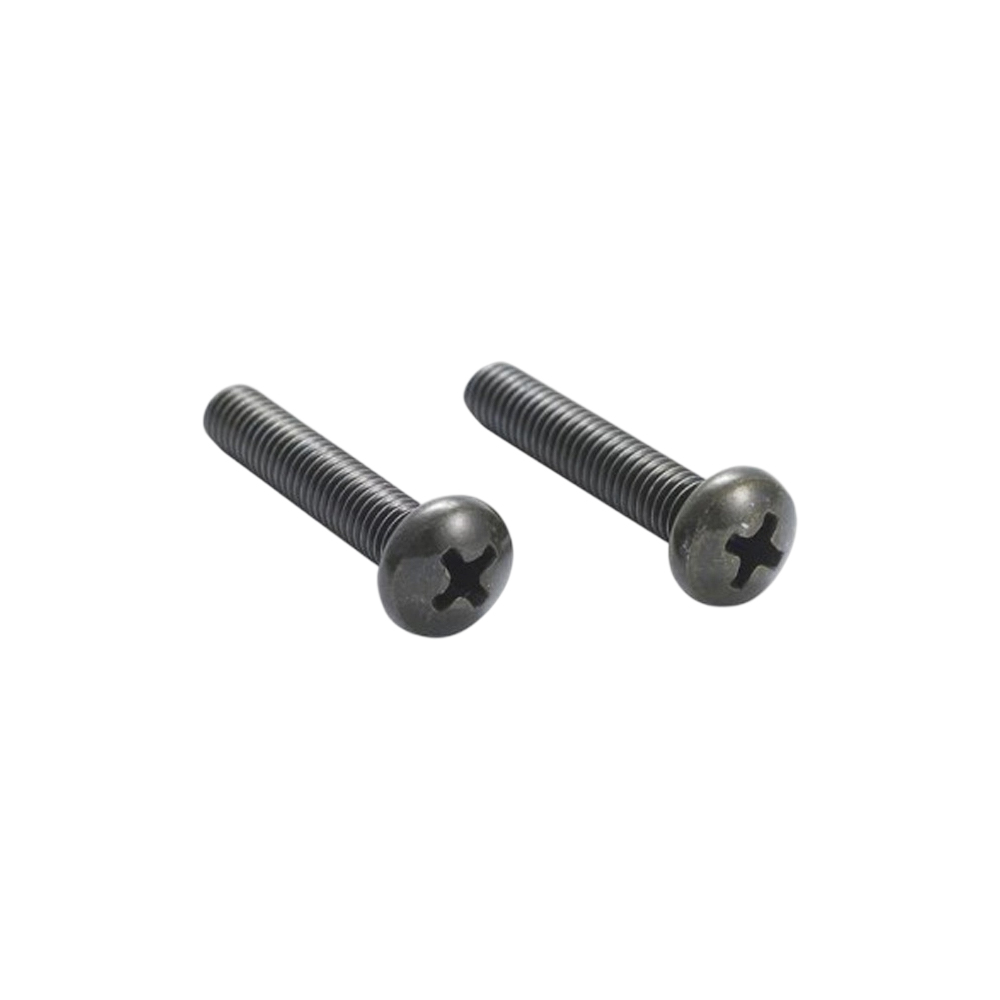
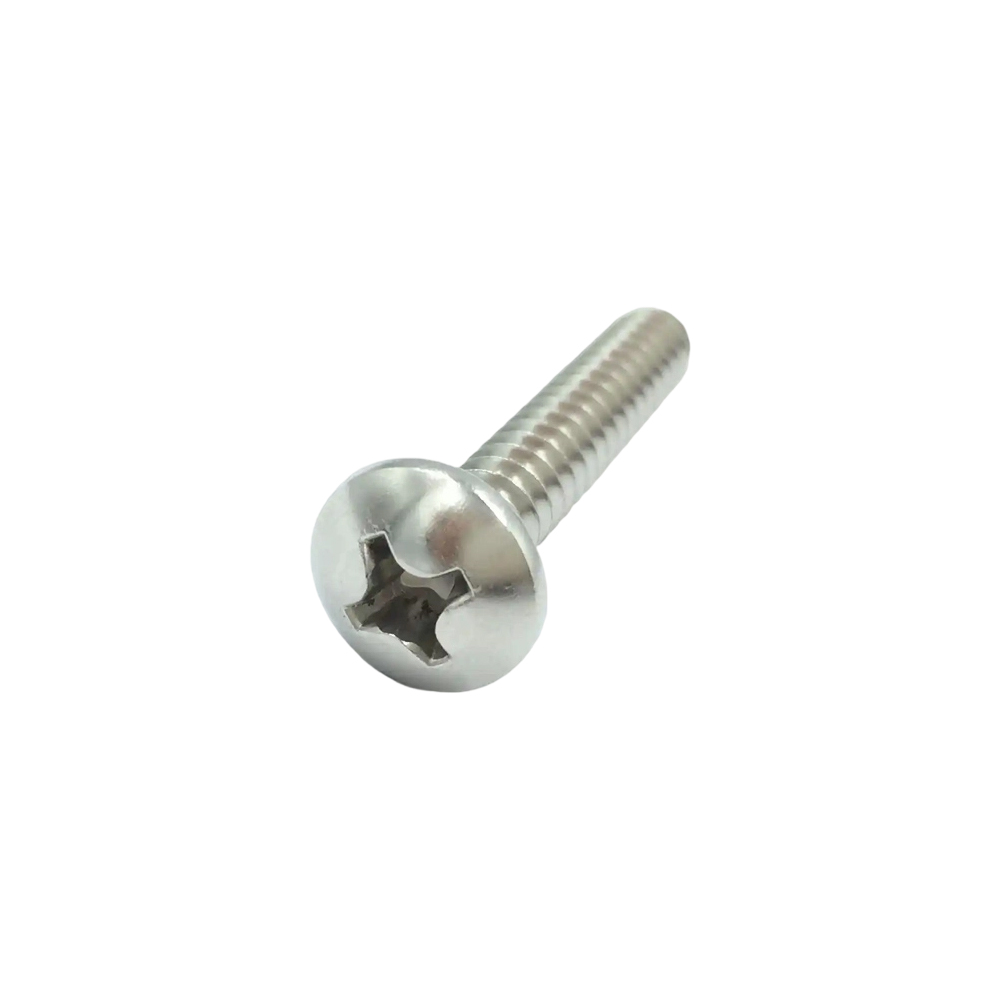
| Phillips Pan Head Machine Screw |
GB/T 818, ISO 7045, DIN 7985 |
Electronics enclosures, control panels and light-gauge metal assemblies |
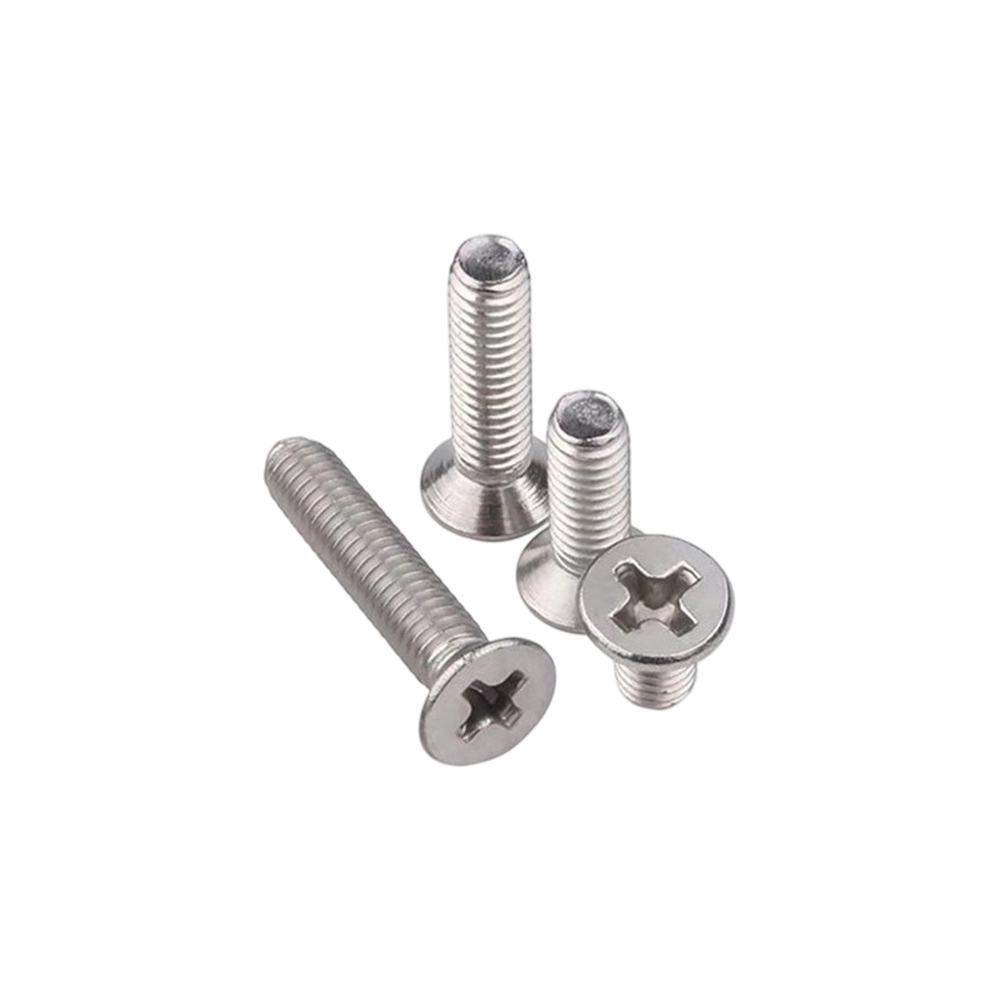
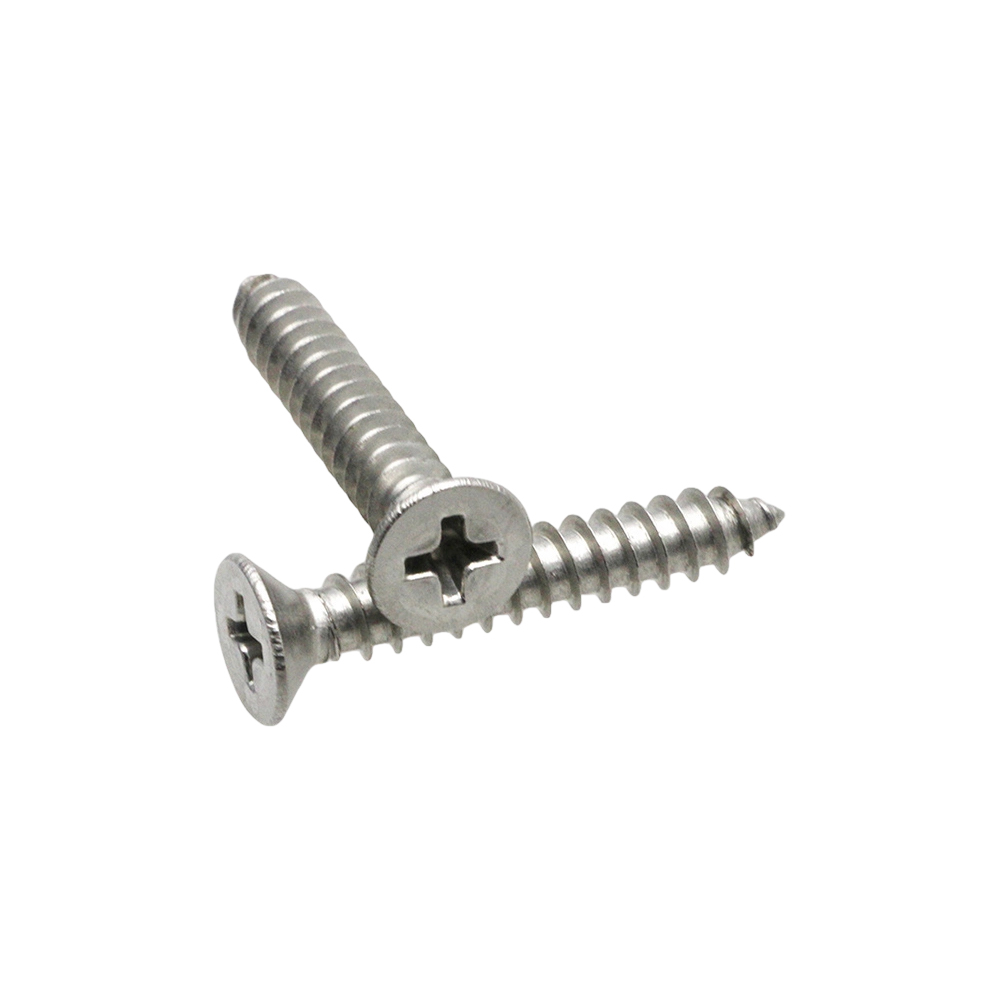
| Phillips Countersunk Machine Screw |
GB/T 819.1, ISO 7046, DIN 965 |
Flush surfaces on chassis, brackets and covers |
| Phillips Pan Head Self-Tapping Screw |
GB/T 845, ISO 7049, DIN 7981 |
Sheet metal housings and enclosures where a formed thread is acceptable |
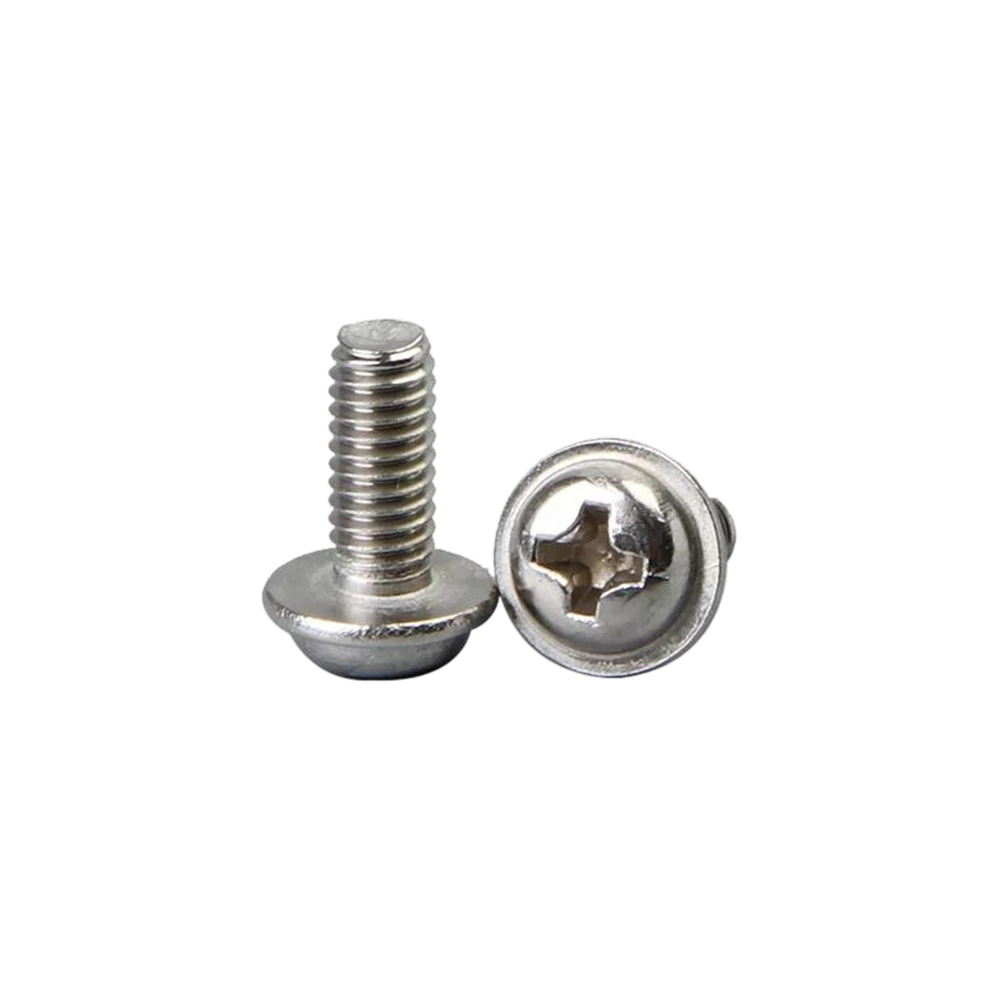
| Phillips Pan Head SEMS Screw |
GB/T 9074.8, JIS B 1188 |
High-volume automated assembly where a captive washer removes a handling step |
| Hex Nut |
GB/T 6170, ISO 4032, DIN 934 |
General bolted joints across machinery and structures |
| Nylon Insert Lock Nut |
GB/T 889.1, ISO 7040, DIN 985 |
Vibration-prone joints on vehicles, racks and rotating equipment |
| Weld Nuts |
GB/T 13680, DIN 928 |
Sheet metal frames and cabinets where the nut is fixed before painting |
Materials, Strength Classes and Finishes
We cold-head low carbon steel, medium carbon steel, 40Cr/SCM435 alloy steel, SUS304 and SUS316 stainless steel, H59 brass and 6063 aluminium alloy. Incoming coil and wire are sampled on an optical emission spectrometer before release to production, so a material substitution is caught before it becomes a finished part.
- Carbon steel classes: 4.8, 6.8, 8.8, 10.9 and 12.9, with heat treatment controlled to surface hardness HRC38-48 and core hardness HRC28-48.
- Stainless steel classes: A2-50, A2-70, A4-70 and A4-80 for corrosion-driven applications.
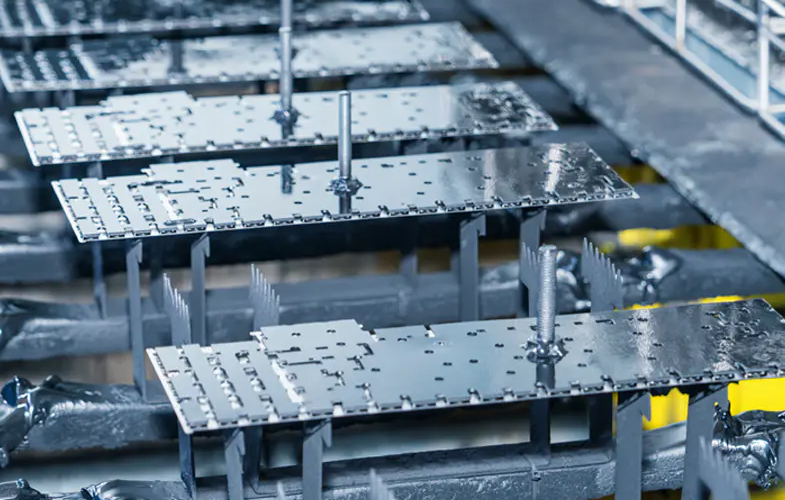
- Finishes: blue-white zinc, coloured zinc, black zinc, nickel, zinc-nickel alloy, Dacromet, electrophoresis, PVD, plus stainless passivation and natural finish.
- Corrosion performance: standard finishes are tested from 72 to 500 hours neutral salt spray, with longer-duration anti-corrosion processes available for harsh environments.
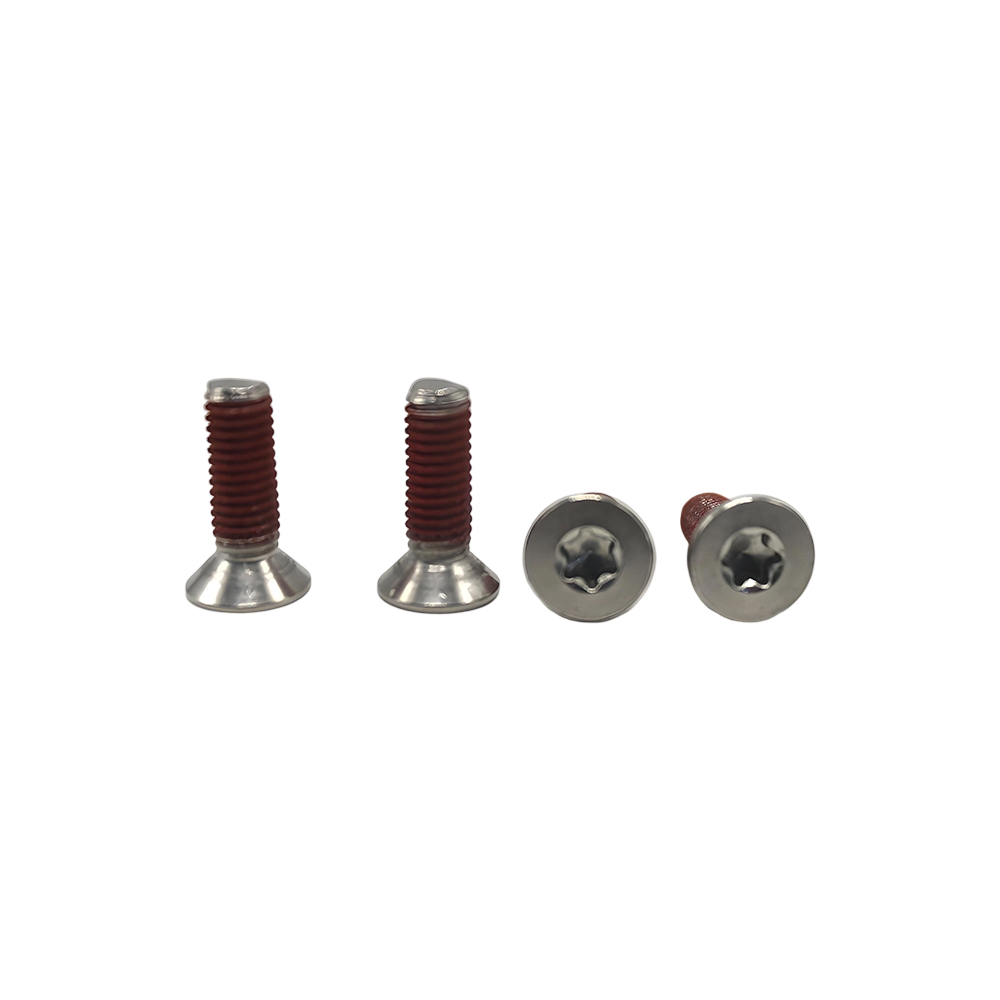
- Thread locking: pre-applied Nylok adhesive can be applied in-house for joints that must resist vibration without a separate locking element.
Forming Capacity and Dimensional Control
Cold heading capacity is split by size band. Single-die and two-die machines cover M0.8 to M3 with a maximum length of 30 mm, multi-station cold formers handle M4 to M16 with a maximum forming length of 190 mm, and dedicated nut machines produce M2 to M14 nuts. Cold forming tolerances sit at approximately ±0.1 mm, which suits the majority of standard threaded connections.
Where a part needs a tighter relationship between features than cold heading can hold, we move the operation to our cam lathe and sliding-head CNC turning workshop. That route reaches ±0.01 mm on conventional mass-produced parts and ±0.003 mm on high-precision custom parts, and it is how stepped screws, precision pins and multi-step special shapes are produced when forming alone cannot achieve the geometry.
Quality Control and Acceptance Evidence
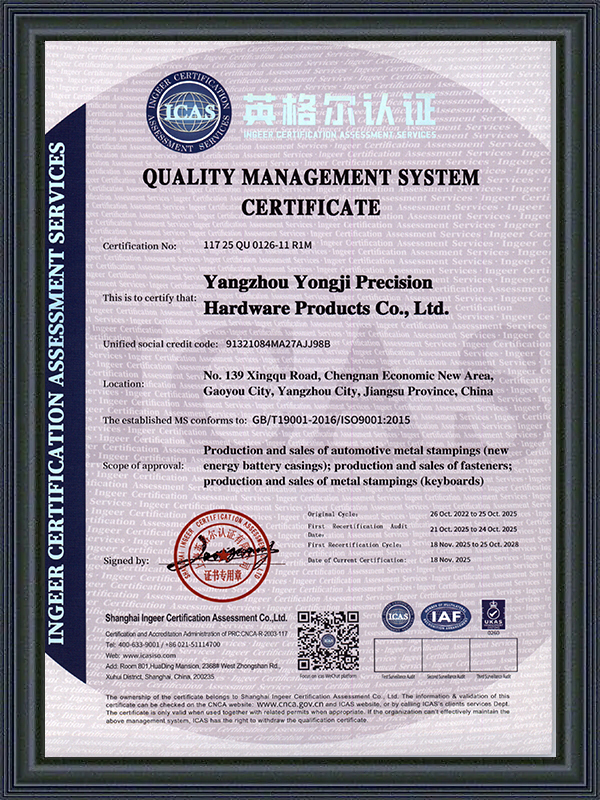
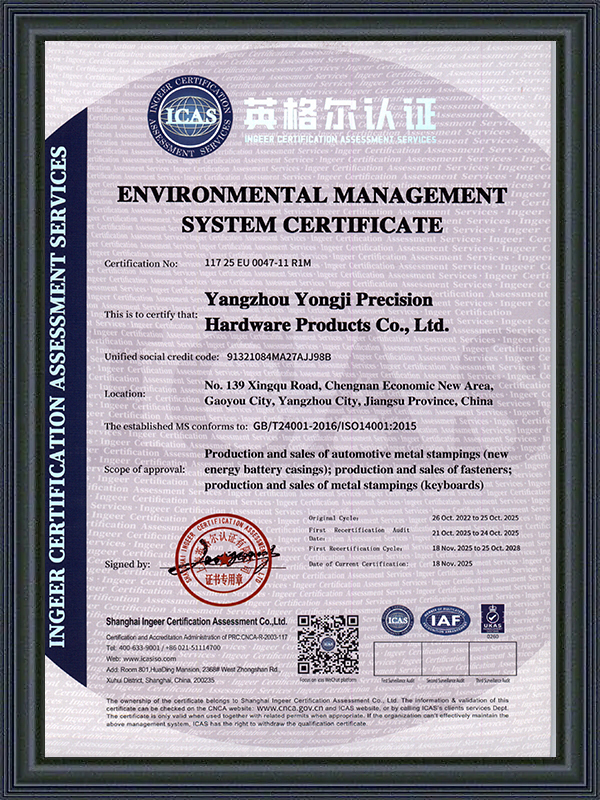
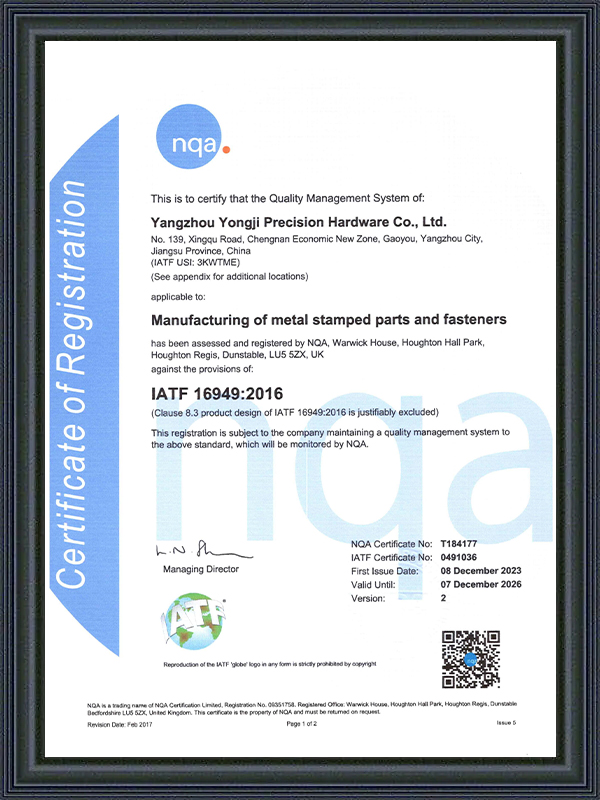
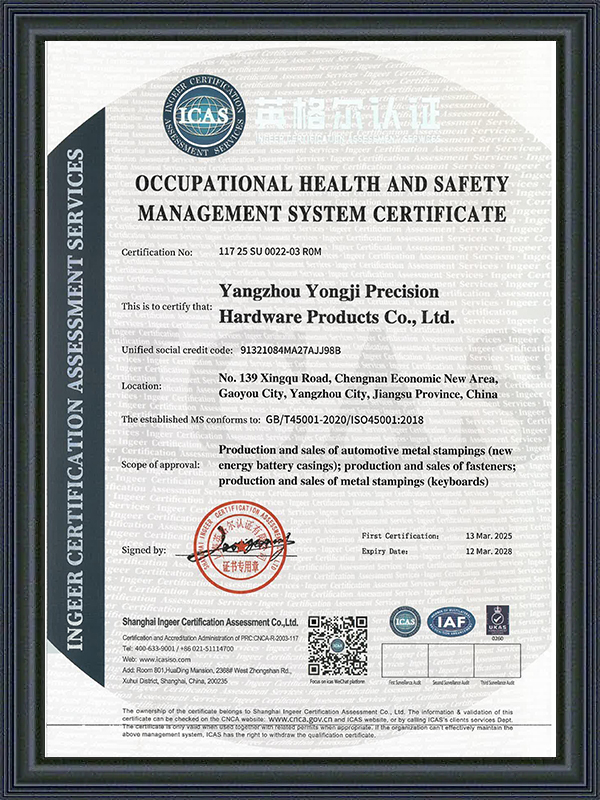
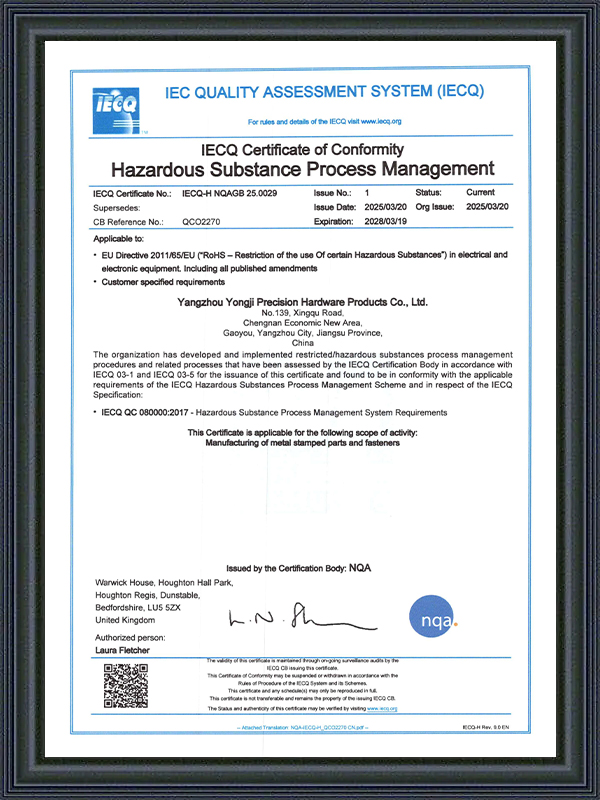
An independent enclosed testing laboratory supports all four production workshops with incoming material inspection, in-process patrol inspection and finished goods final inspection. The laboratory operates under IATF16949, ISO9001 and ISO14001 system requirements, with IATF16949, ISO9001, ISO14001, ISO45001 and QC080000 certification in place, and all instruments recalibrated by a third party each year.
Dimensional
Zeiss 3D CMM, 2.5D optical vision measuring machine, automatic CCD sorter, contour and roughness measurement
Mechanical
Universal tensile testing, multi-range torque testing, Rockwell and Vickers hardness testing
Corrosion and material
Two neutral salt spray chambers, humidity cycling, coating thickness gauge, spectrometer and metallographic analysis
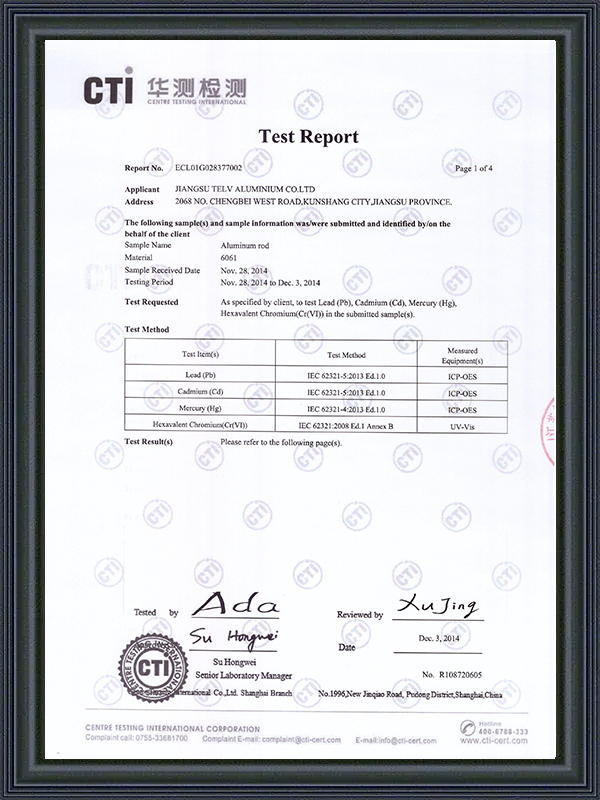
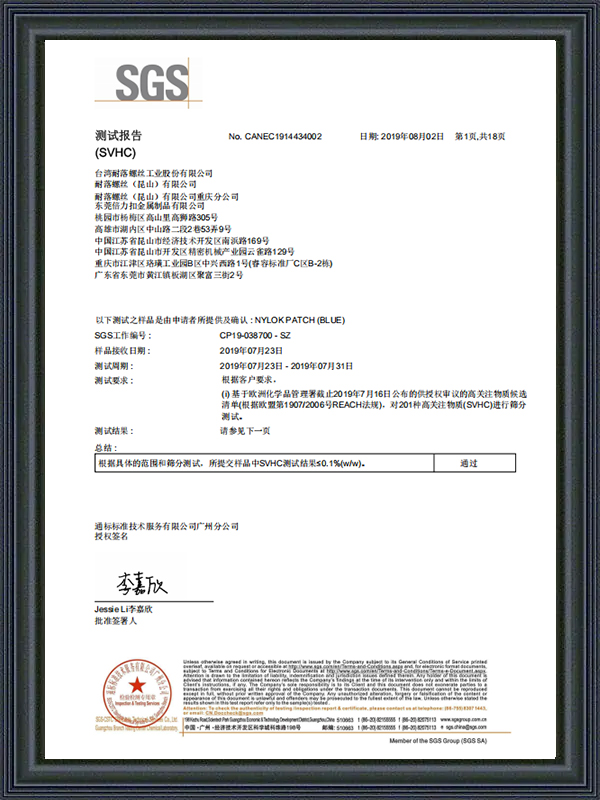
On request we issue material certificates, full-dimensional inspection reports, salt spray reports, mechanical test reports, RoHS certificates, 8D improvement reports and PPAP documentation for automotive programs. Sampling plans can be aligned to a customer's AQL standard, and XRF screening confirms RoHS2.0 and REACH compliance for delivered batches.
Configuration Options and Customization
Standard catalogue items are the starting point, not the limit. Within the same cold heading platform we adjust head geometry, thread length, drive recess, flange profile, shank steps and washer assembly to match a drawing or a supplied sample. Non-standard flange sizes, custom thread lengths and screw-washer combinations are routine.
- Thread form: coarse or fine metric, UNC or UNF imperial, with 6g tolerance on metric threads.
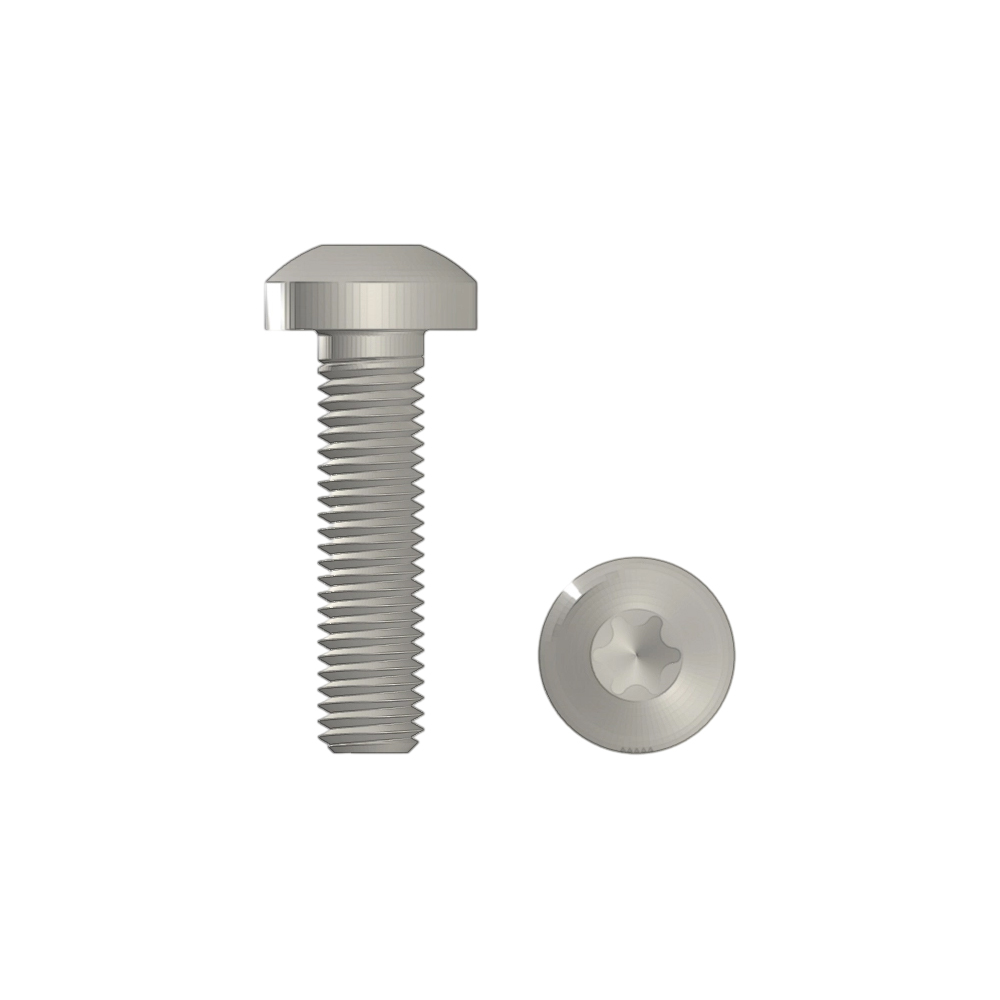
- Drive recess: hex socket, Phillips cross recess, hexagon head, or a specified combination.
- Head style: pan, countersunk, flange, hex, or a special profile developed from the application.
- Locking and sealing: nylon insert, serrated flange, pre-applied adhesive, or captive washer.
- Finishing: selected for the corrosion class and appearance the assembly requires.
When a project moves beyond standard geometry, our Custom Fasteners line and the Turned & Misc Parts workshop handle the drawing-specific work, including fully threaded studs and precision turned components.
Order Quantities, Packaging and Delivery Scope
Production is organised so that prototype quantities, pilot batches and stable mass supply can all be quoted from the same process route. Manufacturing resources in China and Vietnam allow a program to be placed where capacity, cost and delivery risk balance best for the customer, and the same engineering and inspection standards apply at both locations.
Packaging is specified per part: bulk cartons, small-quantity bags, or kitted presentation for line-side feeding. We confirm the packing unit, label content and carton marking before the first shipment so that incoming goods can be received without repacking.
Information We Use to Configure Your Solution
A proposal is built from the working point, not from a catalogue page. The following inputs let us select the process route, material, strength class, finish and inspection plan in one pass.
| Input |
What it determines |
| Drawing or sample with thread size, length and head style |
Forming machine selection, tooling and tolerance capability |
| Executive standard and thread system |
Dimensional acceptance criteria and gauge selection |
| Material and required strength class |
Wire grade, heat treatment cycle and mechanical test plan |
| Service environment and expected corrosion exposure |
Finish type and salt spray duration target |
| Assembly method and tooling interface |
Drive recess, head clearance and locking feature |
| Annual volume, batch size and delivery schedule |
Production base, tooling investment and packing format |
| Inspection standard, AQL and documentation requirements |
Sampling plan, report package and PPAP scope |
Frequently Asked Questions
What size range can you produce in standard fasteners?
Cold heading covers M0.8 to M3 on single and two-die machines up to 30 mm length, M4 to M16 on multi-station formers up to 190 mm forming length, and M2 to M14 on dedicated nut machines. Larger or longer items are reviewed individually against the drawing.
Which materials and strength classes do you supply?
Low carbon steel, medium carbon steel, 40Cr/SCM435 alloy steel, SUS304, SUS316, H59 brass and 6063 aluminium. Carbon steel is produced in classes 4.8, 6.8, 8.8, 10.9 and 12.9; stainless steel in A2-50, A2-70, A4-70 and A4-80.
How do you control corrosion performance?
Finish selection follows the service environment. Standard finishes are tested from 72 to 500 hours neutral salt spray in our own chambers, and longer-duration anti-corrosion systems are available where the application demands it. Coating thickness is verified with an electrolytic thickness gauge.
Can you supply non-standard fasteners from a drawing or sample?
Yes. Step screws, flange bolts, screw-washer assemblies and other non-standard threaded fasteners are produced on the same cold heading platform, and complex multi-step shapes move to cam lathe or CNC turning. Prototype, pilot and mass production quantities are all supported.
What documentation accompanies a shipment?
Depending on the program, we issue material certificates, full-dimensional inspection reports, salt spray reports, mechanical test reports, RoHS certificates, 8D reports and PPAP documentation. Sampling plans can follow the customer's AQL standard.
How is a quotation prepared?
We work from the drawing or sample, the executive standard, material and strength class, corrosion requirement, assembly method, annual volume and documentation scope. Those inputs determine the process route, tooling, packing format and inspection plan behind the quoted price.

 English
 中文简体
中文简体 Español