
 English
 中文简体
 Español
5G Antenna Hardware Components: Precision Metal Parts That Run the Tower
Content
- 1 What Actually Sits Inside a 5G Antenna Hardware Assembly
- 2 Material Selection: Aluminum, Stainless Steel, and Copper in 5G Antenna Hardware
- 3 Precision Tolerances: Why 0.1 mm Changes 5G RF Performance
- 4 Shielding and Grounding: Stamped Metal Parts That Control Interference
- 5 Thermal Management Hardware for Active Antenna Units
- 6 Sourcing 5G Antenna Hardware: What OEMs Should Demand from a Supplier
- 7 Frequently Asked Questions
At 39 GHz, a 5G base station's radiating elements depend on metal parts that never appear in the marketing diagrams: the shield cans, mounting brackets, grounding springs, and fasteners that hold the active antenna unit together. In fact, 5G antenna hardware components behave more like tuned RF structures than simple mechanical supports, because a 0.1 mm gap can detune an array and raise passive intermodulation (PIM) levels.
Yongji Precision Hardware Co., Ltd. has manufactured precision fasteners and metal structure parts for international OEMs since 2003, and its four plants in China and Vietnam routinely ship the stamped and sheet metal parts used in telecom infrastructure. This guide maps those parts by function, material, and performance requirement.
What Actually Sits Inside a 5G Antenna Hardware Assembly
A complete 5G antenna hardware assembly combines three functional layers: the RF front end, the structural support frame, and the environmental protection enclosure.
In an active antenna system (AAS), the transceiver electronics are mounted directly behind the radiating panel, so every metal part in that stack must satisfy both mechanical and electrical constraints. The list of hardware components is short but demanding:
- Outdoor-rated enclosure and backplate that protect the radio and provide mounting points
- Precision brackets that hold the antenna panel flat and keep alignment with the tower
- EMI shield cans and stamped covers that isolate the transceiver from radiated interference
- Grounding springs, contact clips, and busbars that create low-inductance DC and RF ground paths
- Fasteners, standoffs, and threaded studs that clamp the thermal interface between modules
Roughly 60 percent of the metal weight in a typical AAU belongs to the enclosure, backplate, and mounting frame; the remaining 40 percent is shielding, grounding, and thermal hardware.
Each part is specified for a reason. A stamped bracket that locates an antenna element must hold its hole position under wind vibration; a shield can that is too thin can deform during reflow and lose contact with the PCB ground plane.
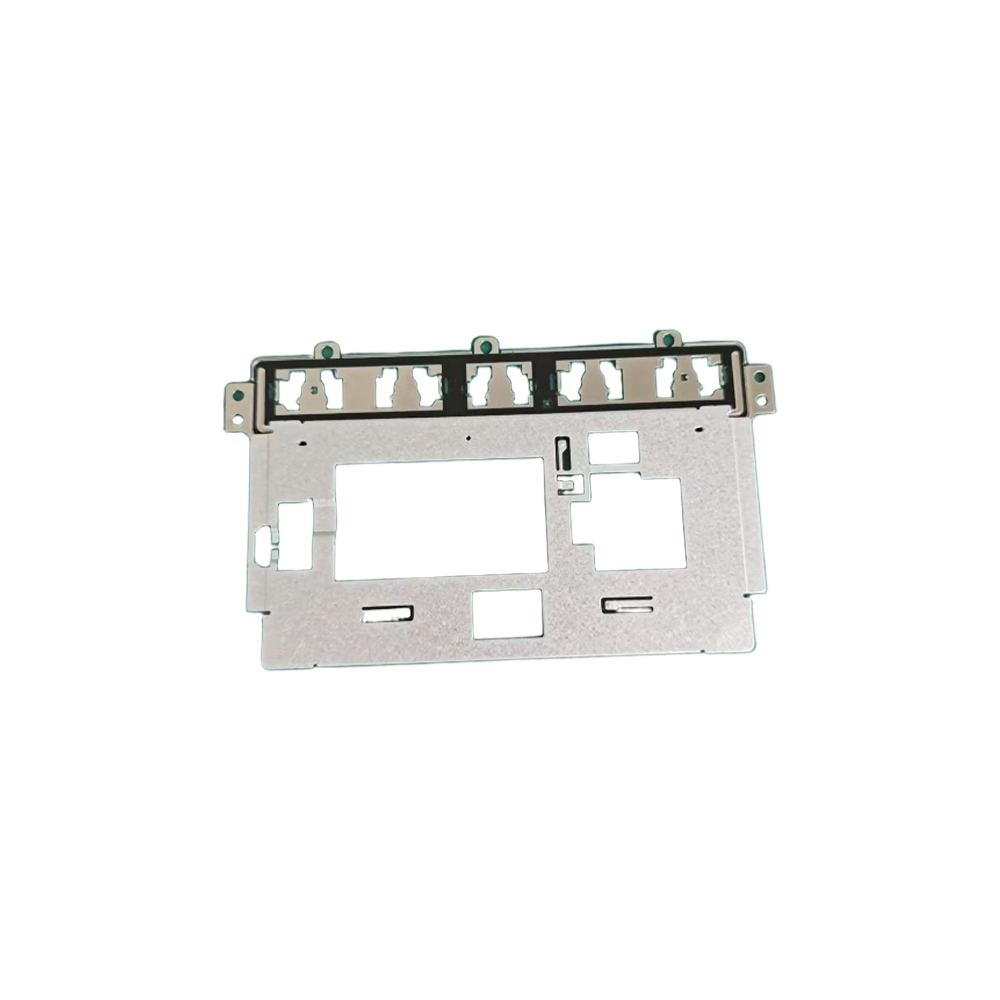 Sheet Metal Interface Shield Mounting Bracket for PCB PortsThis stamped metal bracket secures network and USB connectors while grounding the PCB port area. Its material options and finishing choices support EMI control and vibration resistance in routers, switches, and vehicle systems.View Product →
Material Selection: Aluminum, Stainless Steel, and Copper in 5G Antenna Hardware
Aluminum alloys handle structural weight, stainless steel provides corrosion resistance, and copper alloys carry current and heat.
The material choice in 5G antenna hardware is rarely about strength alone. It is about galvanic compatibility, thermal expansion, and RF conductivity working together inside an outdoor enclosure.
| Material | Role | Key Property | Typical Parts |
| Aluminum 6061-T6 | Structural framing and enclosures | Strength-to-weight ratio and corrosion resistance | Backplates, mounting brackets, outdoor cabinets |
| Stainless steel 304/316 | Fasteners and exposed hardware | Corrosion resistance and low galvanic mismatch | Bolts, standoffs, clamps, cable mounts |
| Copper and brass | Grounding and RF contacts | Electrical and thermal conductivity | Busbars, grounding springs, contact terminals |
Core definition: An active antenna system (AAS) is a 5G antenna whose radiating elements are integrated with transceiver and amplifier circuits, so the supporting metal enclosure and grounding hardware must be treated as part of the RF circuit itself.
Precision Tolerances: Why 0.1 mm Changes 5G RF Performance
Dimensional tolerance is a first-order RF property in 5G antenna hardware, not just a manufacturing convenience.
At 28 GHz, the free-space wavelength is roughly 10.7 mm. A 0.1 mm error is only 1 percent of a wavelength, but in a phased array it changes element spacing, impedance matching, and the phase relationship between adjacent elements. The effect shows up as gain loss, sidelobe growth, and unstable PIM.
Practical rule for sourcing: use +/-0.05 mm for stamped contact and shielding parts, +/-0.15 mm for sheet metal brackets, and require first-article measurement reports on every cavity that affects RF coupling.
For example, a stamped PCB grounding spring with a 0.05 mm variation in formed height changes contact force by roughly 30 percent. The same spring also sets the ground return path between the radio board and the shield can, so its stiffness and plating thickness affect both mechanical reliability and RF isolation.
Shielding and Grounding: Stamped Metal Parts That Control Interference
Every active antenna needs continuous shielding and multiple low-inductance grounding paths to contain RF energy and protect sensitive transceivers.
Above 6 GHz, any slot longer than one-tenth of a wavelength becomes a potential radiating aperture. That is why stamped metal shield cans, not plastic covers, dominate the interior of a 5G AAU.
- Stamped electromagnetic shield cans create a continuous conductive boundary around power amplifiers and transceiver ICs.
- PCB grounding springs maintain contact force between the PCB and the enclosure across temperature and vibration cycles.
- Contact clips and spring terminals compensate for tolerance stack-up between cast frames and sheet metal covers.
Open slots, single ground point, intermittent contact; emissions couple into neighboring modules and PIM rises with temperature.
Continuous conductive boundary, multiple ground contacts, and plated mating surfaces; interference stays inside the module and outside the radio.
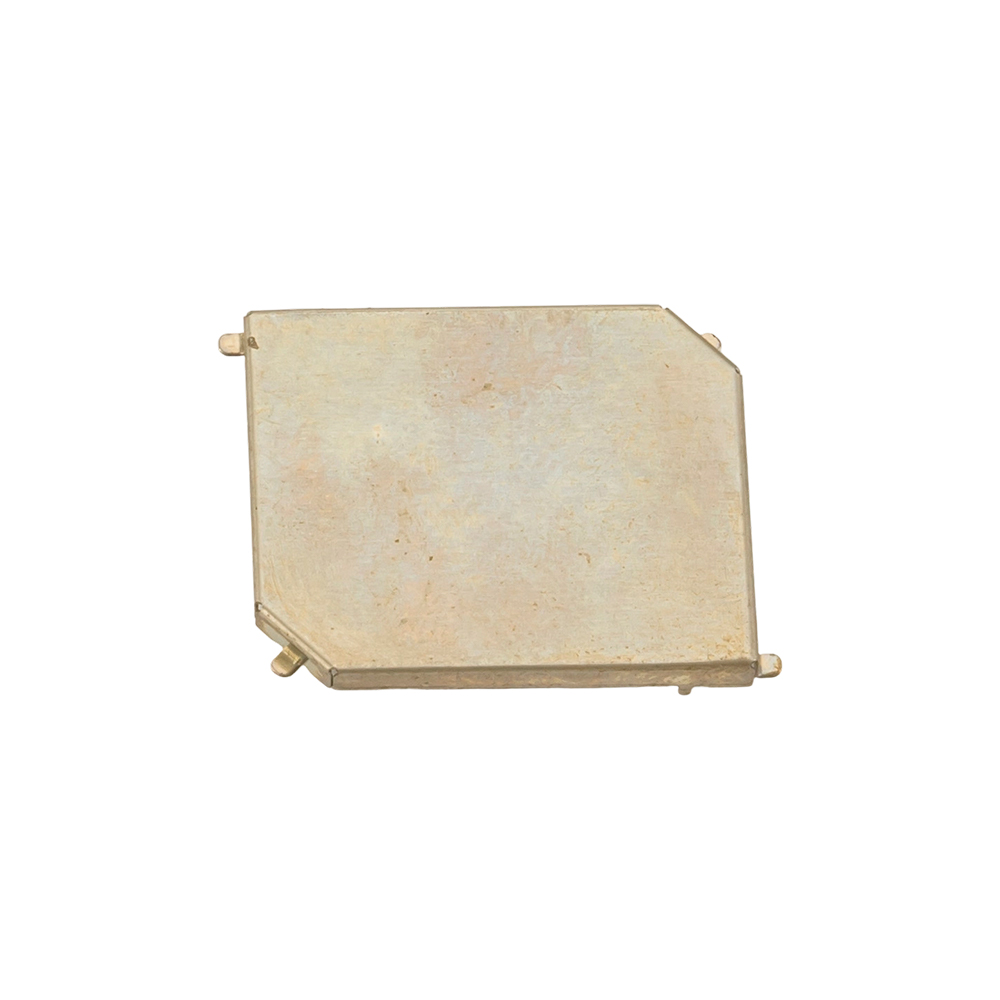 Stamped Metal RF Shield Can for PCB ModulesA precision shield can with plated surfaces and multiple ground contacts, suited for isolating high-frequency circuits. Available in nickel silver, brass, or stainless steel with custom plating to maintain signal integrity.View Product →
Thermal Management Hardware for Active Antenna Units
An active antenna unit converts about 20 to 30 percent of its input power into heat, so the thermal path from radio modules to the outdoor enclosure must be continuous and well-fastened.
Modern AAU designs often mount power amplifiers on an aluminum base plate that also carries threaded studs. The studs clamp the PCBA against a thermal pad, eliminating separate threaded inserts and reducing the number of parts in the stack.
Thermal paste or pad compression is directly controlled by the standoff height. If threaded studs vary by more than 0.1 mm, the pad may be compressed unevenly, leaving a small air gap that increases junction temperature by several degrees. This is why multi-process suppliers integrate the stud and base plate into one part rather than assembling separate pieces.
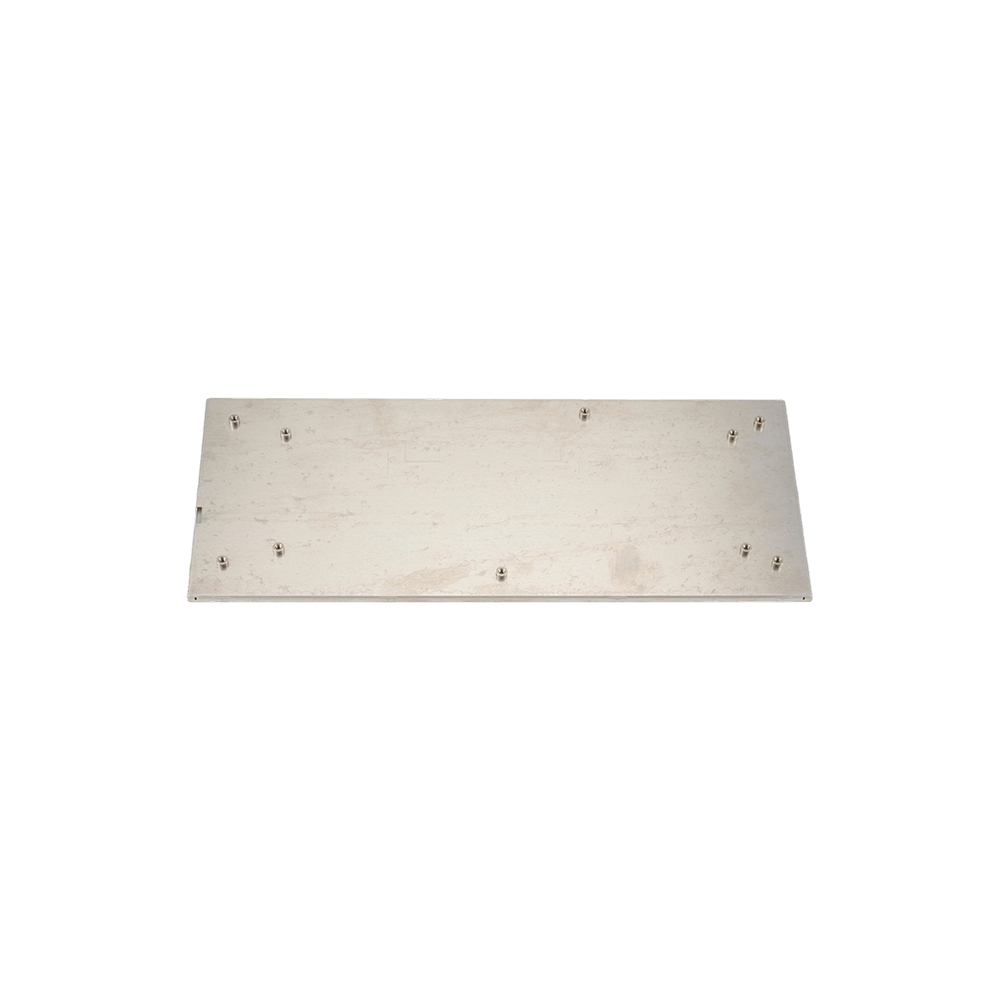 Aluminum Base Plate with Integrated Studs for Heat DissipationThis CNC-machined or stamped base plate combines precision studs with thermal management features. Accurate standoff control ensures consistent thermal pad compression, making it suitable for mounting PCBs and high-power components in communication gear.View Product →
Sourcing 5G Antenna Hardware: What OEMs Should Demand from a Supplier
OEMs should evaluate 5G antenna hardware suppliers on tolerance consistency, mixed-material capability, and documentation, not on prototype speed alone.
The cheapest prototype is rarely the cheapest production part. 5G hardware requires suppliers that can move from stamped prototype to high-volume sheet metal without shifting tooling tolerances.
- Require CMM or optical measurement reports on hole position, flatness, and surface finish.
- Check for multi-process capability: stamping, sheet metal forming, CNC turning, and surface treatment under one roof.
- Demand field-proven experience with telecom enclosures, heat dissipation plates, and spring contacts.
- Confirm the supplier can scale to global delivery, because base station rollouts rarely stop at one region.
Yongji Precision Hardware Co., Ltd. serves more than 200 international customers with standard fasteners, custom fasteners, stamping, and sheet metal parts. Its four production bases in China and Vietnam support both prototype sampling and large-scale assembly.
When a supplier cannot control tooling wear across a 500,000-piece order, the last parts will not match the approved prototype. The best indicator is the supplier's process control system and its willingness to provide SPC data on every batch.
For companies that want to stock and resell these components, Yongji also runs a distributor partnership program with dedicated support for inventory planning.
Frequently Asked Questions
What metals are used for 5G antenna hardware components?
Aluminum 6061-T6 is the primary structural metal for backplates, brackets, and enclosures. Stainless steel 304 or 316 appears in fasteners and exposed clamps, while copper and brass are used for grounding springs, busbars, and RF contact parts.
Why do 5G antennas need stamped shield cans?
Stamped shield cans create a continuous conductive boundary around sensitive radio circuits. At frequencies above 6 GHz, small slots can radiate interfering signals, so metallically closed shield cans with multiple grounding contacts reduce PIM and improve isolation.
What tolerance should a 5G antenna bracket hold?
Structural sheet metal brackets typically hold hole positions to +/-0.15 mm, while stamped contact springs and shielding parts require +/-0.05 mm or tighter. CNC-machined alignment features can reach +/-0.025 mm for critical array spacing.
Can one supplier handle fasteners, stamping, and sheet metal housings?
Yes. A multi-process supplier such as Yongji Precision Hardware Co., Ltd. can produce fasteners, progressive-die stampings, and sheet metal enclosures in one quality system, which shortens lead times and avoids tolerance mismatches between separately sourced parts.
If your team needs specification review for 5G antenna hardware, send the drawing to a precision manufacturer before finalizing the enclosure design.
Recommended Products
-
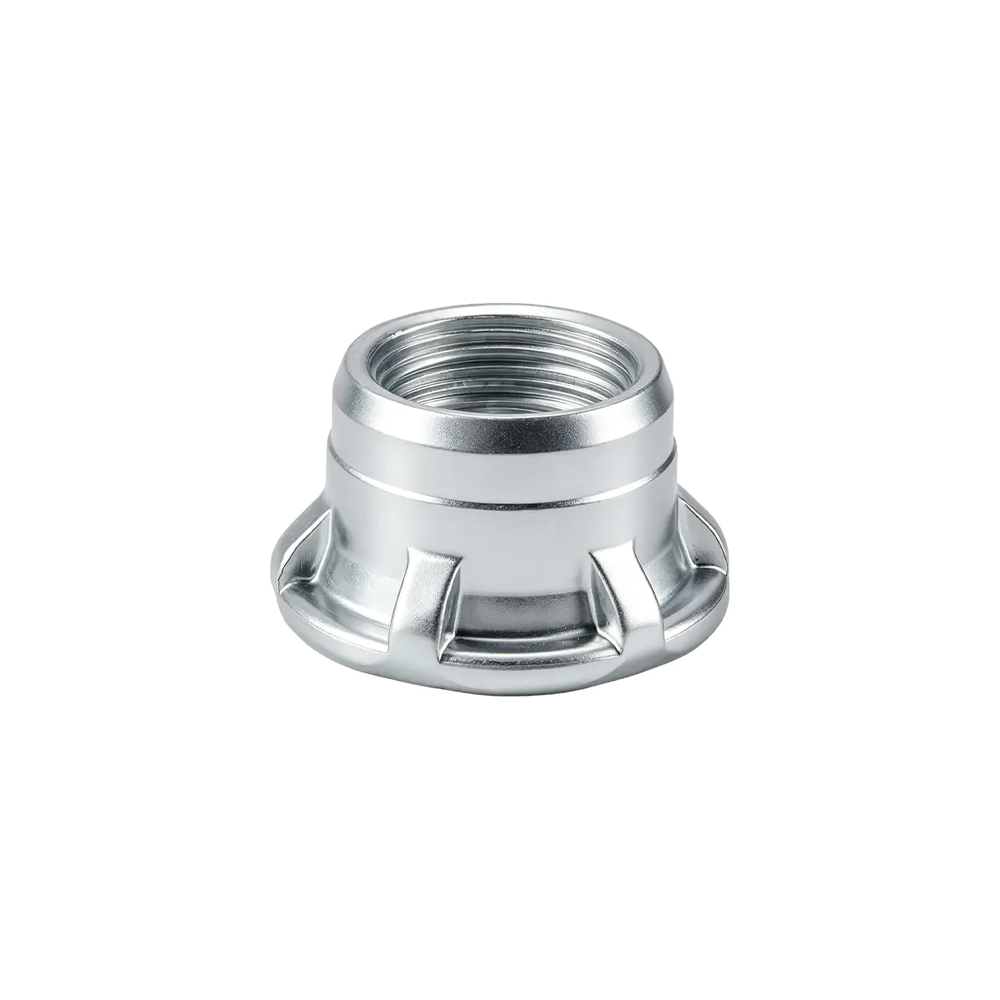
Flange Type All-Metal Lock Nut
-
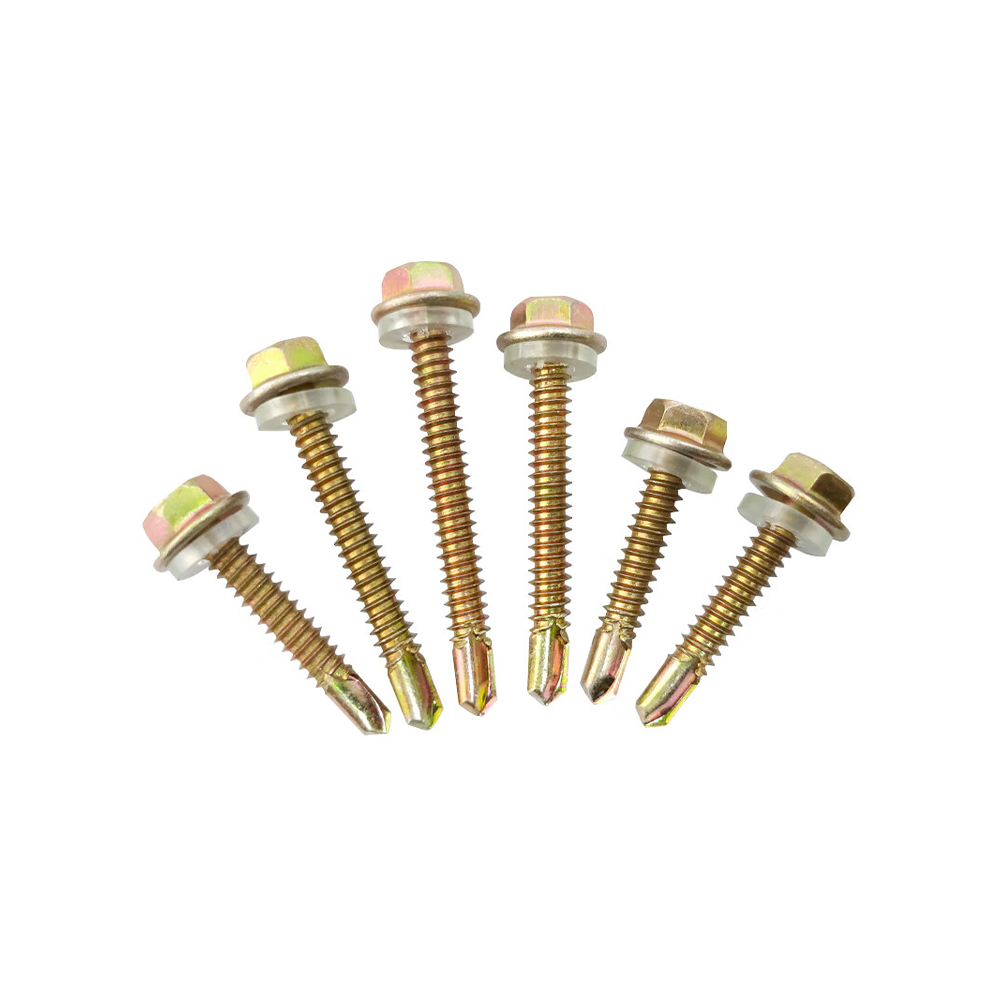
Hex Flange Drill Tail Screw with Rubber Washer
-
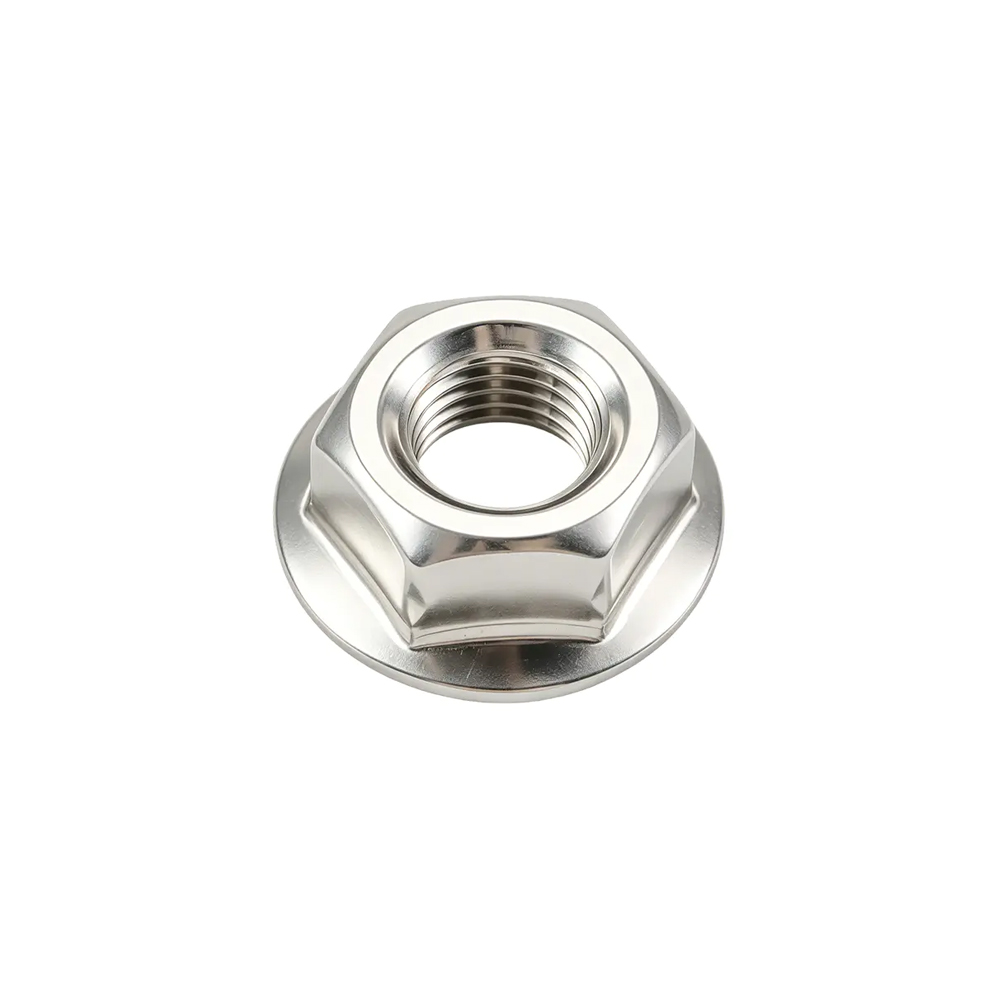
Hex Flange Nut
-
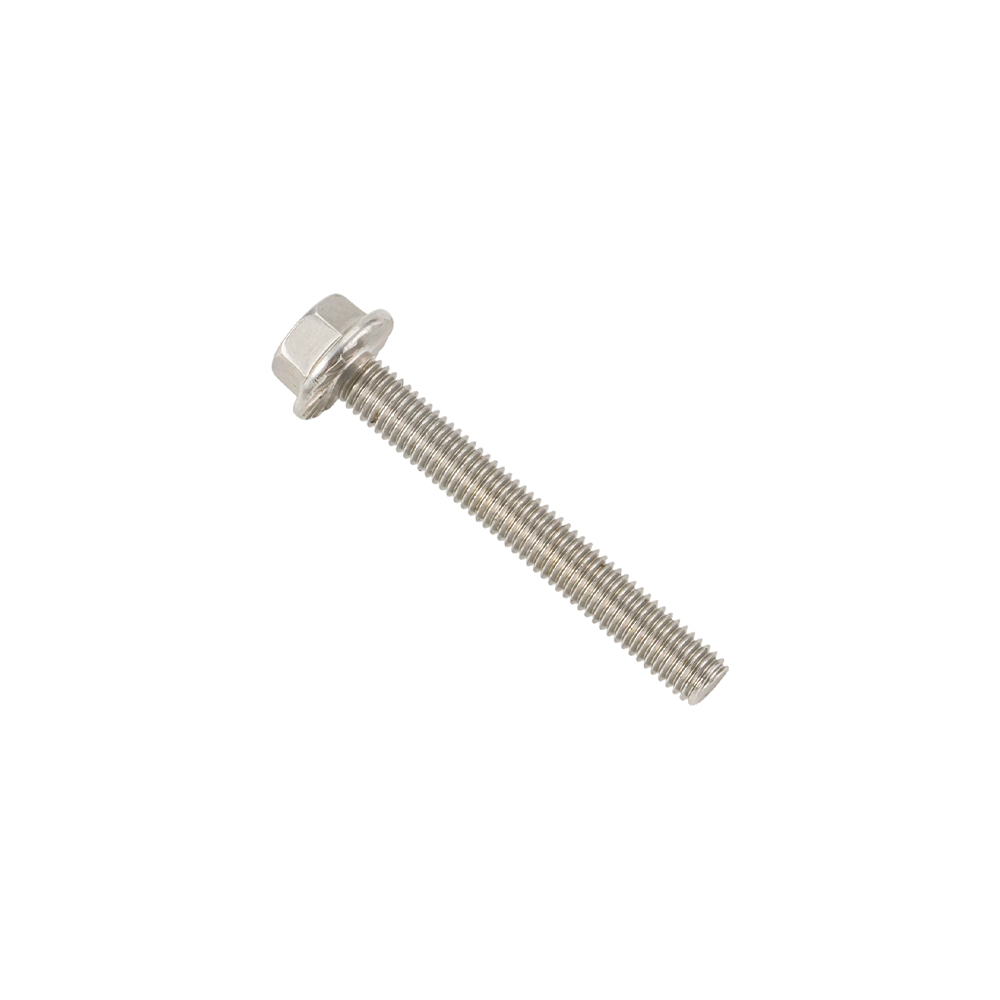
Hexagon Flange Bolt
-
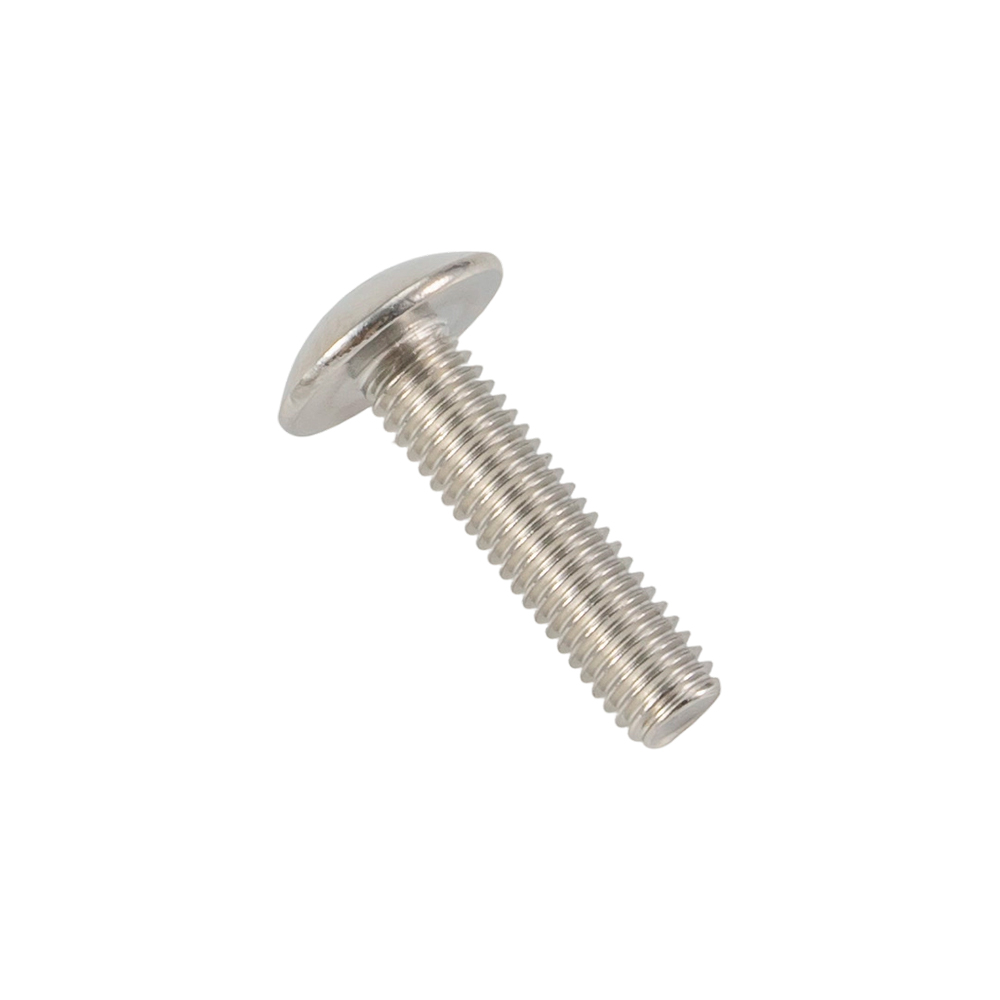
Cross Recessed Large Pan Head Machine Screw
-
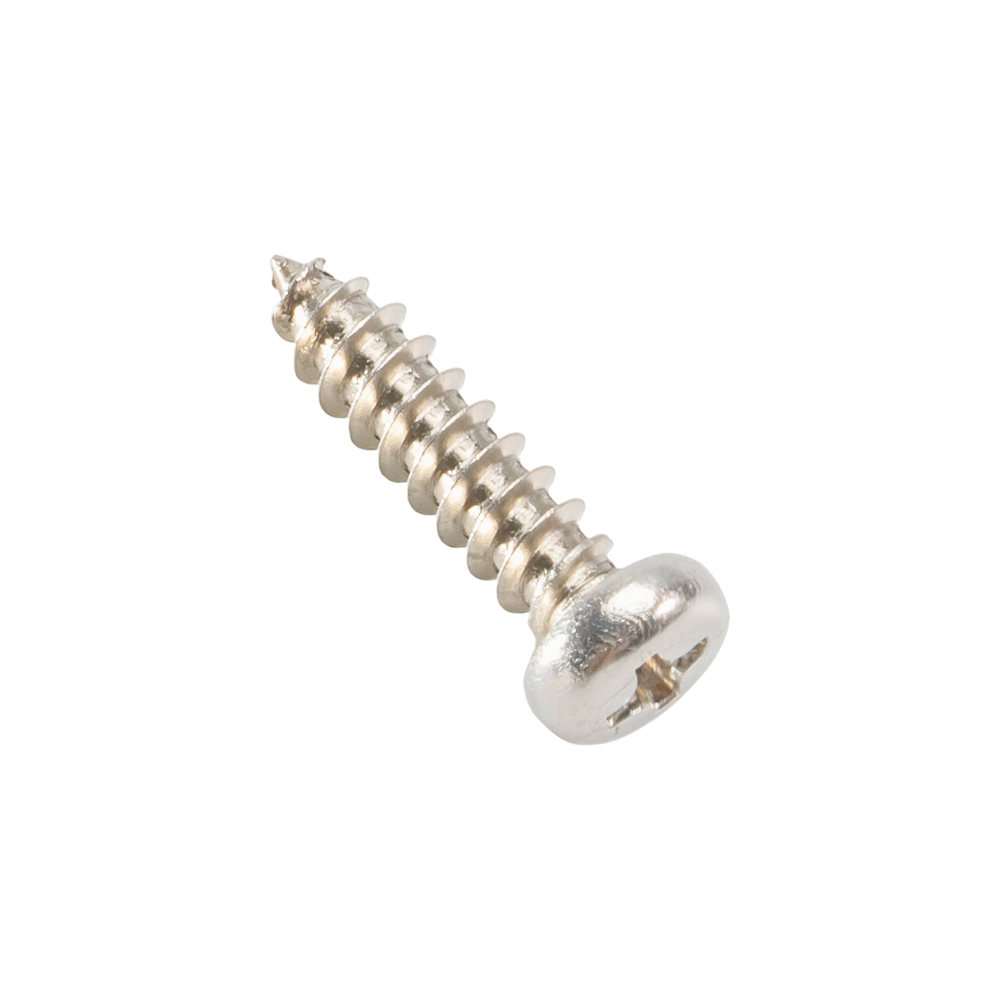
Pan Head Self-Tapping Screw
-
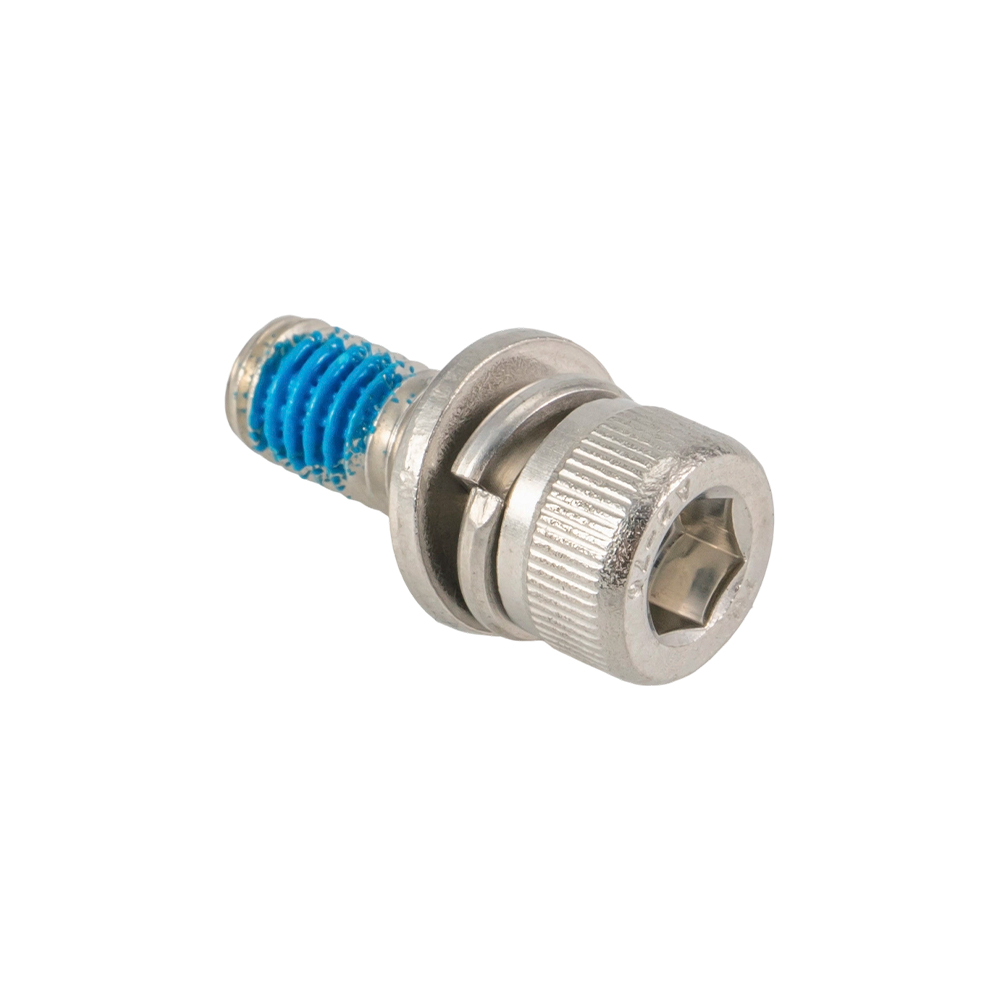
Hexagon Socket Head Cap SEMS Screw with Nylok Anti-Loosening Coating
-
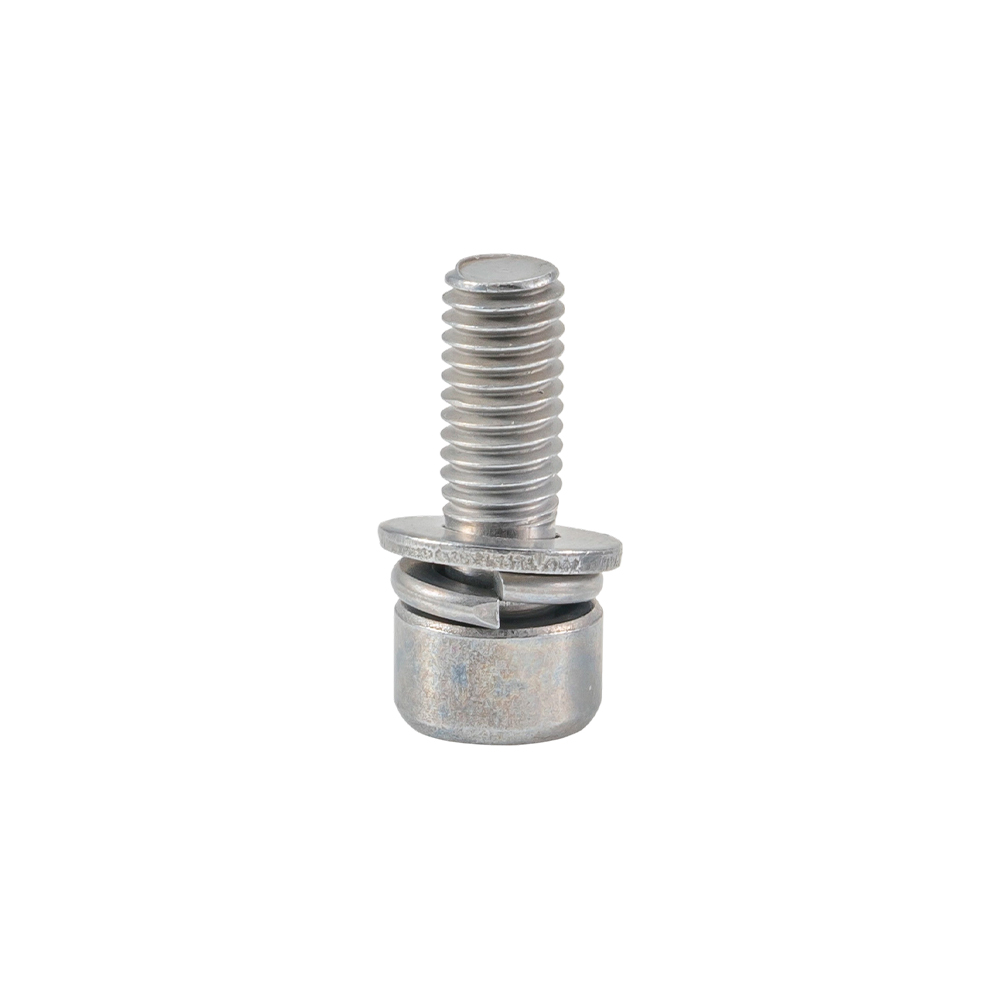
Hexagon Socket Head Cap SEMS Screw
-
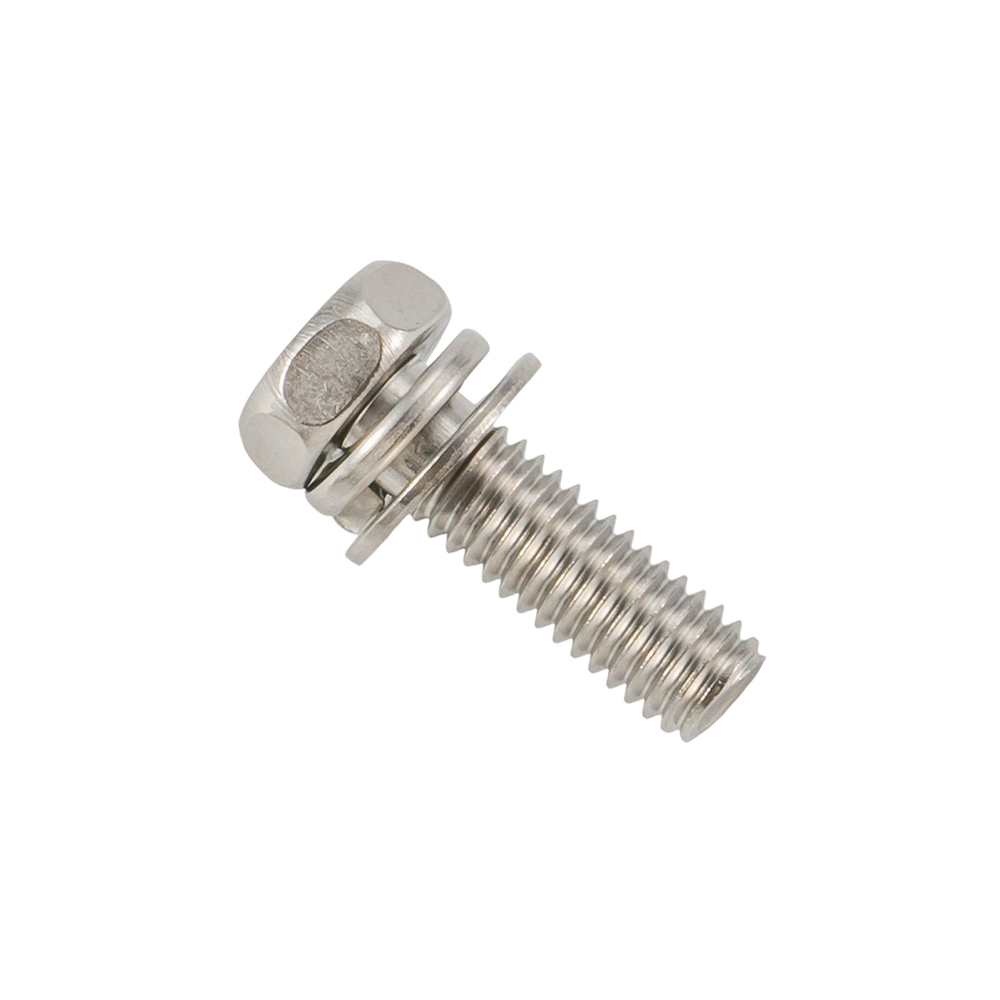
Hexagon Head Slotted Combo Drive SEMS Screw
-
Tape & Reel Packaging
Copyright © 2026 by Yongji Precision Hardware Co., Ltd. Rights Reserved.
Custom Fasteners & Turned Parts, Precision Hardware Manufacturers
