
 English
 中文简体
中文简体 Español
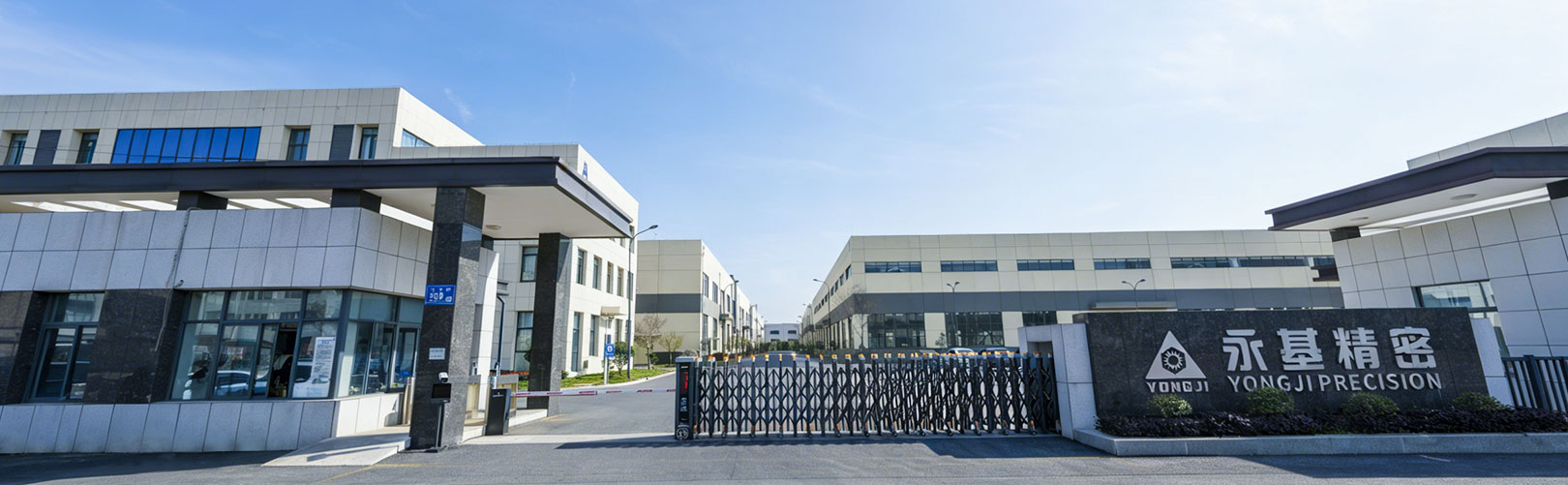
For us, ESG is not an isolated statement. It is a long-term practice embedded throughout product development, manufacturing, quality management, supply chain collaboration, and organizational development. By continuously improving our manufacturing approach, strengthening management standards, and reinforcing a culture of responsibility, we aim to create lasting value for customers, employees, partners, and society.
-
 01. Advancing Greener Manufacturing OperationsGET A QUOTE
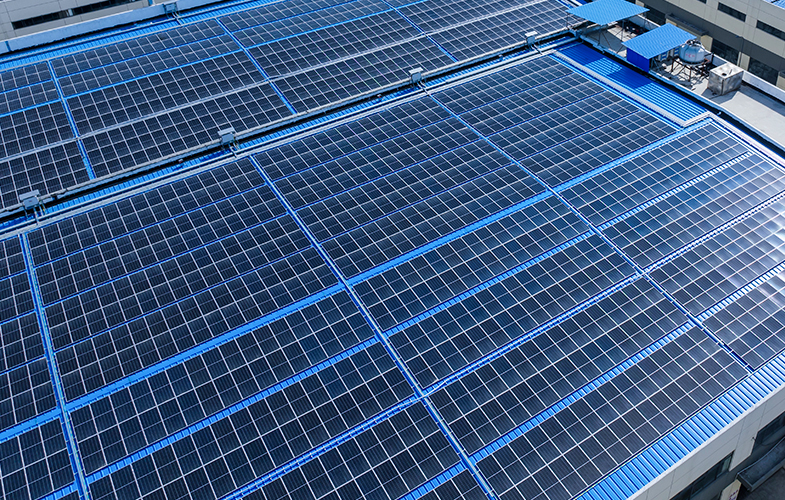
We continuously work to reduce the environmental impact of our production activities through practical measures. In our daily manufacturing operations, we focus on wastewater treatment, energy efficiency, and process optimization while pursuing more sustainable production practices.
As part of our clean energy initiatives, we have introduced solar photovoltaic systems to optimize energy use and reduce emissions. At the process level, we continue to improve manufacturing methods with a focus on carbon reduction. In surface treatment, we adopt more environmentally responsible solutions, such as trivalent zinc plating and chromium-free Dacromet-type processes, to reduce the environmental impact associated with conventional methods. -
 02. Enhancing Product Responsibility Through Compliance and Material ControlGET A QUOTE
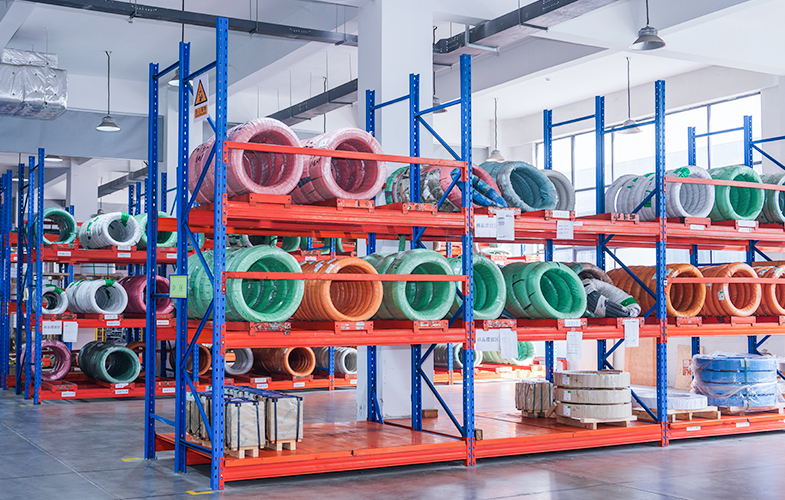
In global markets, particularly highly regulated markets such as the EU, environmental compliance has become an important factor in evaluating supply chain capabilities. We place strong emphasis on meeting applicable environmental requirements and can provide supporting documentation, including RoHS and REACH reports, based on product specifications and customer requirements. This helps support market access, procurement reviews, and project development.
At the same time, we follow principles of compliance, reliability, and traceability in material selection. We use qualified materials that meet applicable environmental requirements and can provide relevant material reports when required. Through standardized product and material management, we continue to strengthen compliance, material transparency, and our ability to meet international market requirements.
-
 03. Building Responsible Operations Through Standardized Management SystemsGET A QUOTE
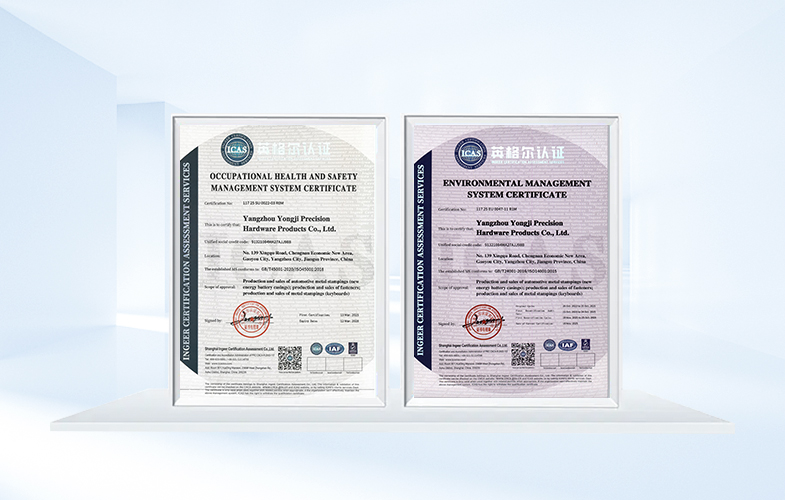
Sustainability depends not only on individual initiatives but also on management systems that can be implemented consistently over the long term. Through structured and standardized management, we continue to strengthen quality control, environmental management, and occupational health and safety, making our operations more disciplined, efficient, and capable of continuous improvement.
We place strong emphasis on internationally recognized management systems, including ISO 9001 for quality management, ISO 14001 for environmental management, ISO 45001 for occupational health and safety, and QC 080000 for hazardous substance process management. For industry-specific customer requirements, we may also align our management practices with specialized frameworks such as IATF 16949, depending on the business scope and project requirements. -
 04. Supporting People Through Care, Safety, and Long-Term DevelopmentGET A QUOTE
Employees are a core foundation of sustainable business development. We value employee health, safety, and professional growth and strive to create a stable, secure, and development-oriented workplace through occupational health and safety management, annual health checkups, medical coverage, skills training, and career development support.
Beyond basic protection, we also focus on capability building and long-term professional development. Through skills training, career progression, and structured development pathways, we help employees continuously strengthen their professional capabilities and support their long-term career development. We believe that respecting and supporting people is essential to building a resilient and sustainable business. -
 05. Extending Corporate Responsibility Beyond ManufacturingGET A QUOTE
We believe corporate responsibility should extend beyond products and manufacturing to include meaningful engagement with society. Guided by this principle, we support community initiatives and charitable activities and seek to fulfill our social responsibility through practical action.
Where appropriate, we participate in public welfare initiatives, including support for and donations to welfare institutions. Through these efforts, we aim to make a positive contribution to society and foster a culture of responsibility and people-centered values as our business continues to grow.
Copyright © 2026 by Yongji Precision Hardware Co., Ltd. Rights Reserved.
Custom Fasteners & Turned Parts, Precision Hardware Manufacturers
