
 English
 中文简体
中文简体 Español
Metal Stamping Manufacturers
Battery housings/shields/terminals, etc., high-precision stamping forming, stable mass production.

Battery housings/shields/terminals, etc., high-precision stamping forming, stable mass production.
Do you need non-standard fasteners, precision metal parts, or custom structural components for a specific application?
Yongji helps you develop and manufacture special parts and custom products based on your drawings, samples, technical requirements, and target application scenarios.
Whether you need prototype quantities, pilot production, or stable mass supply, we provide an integrated solution from engineering review to production and delivery.
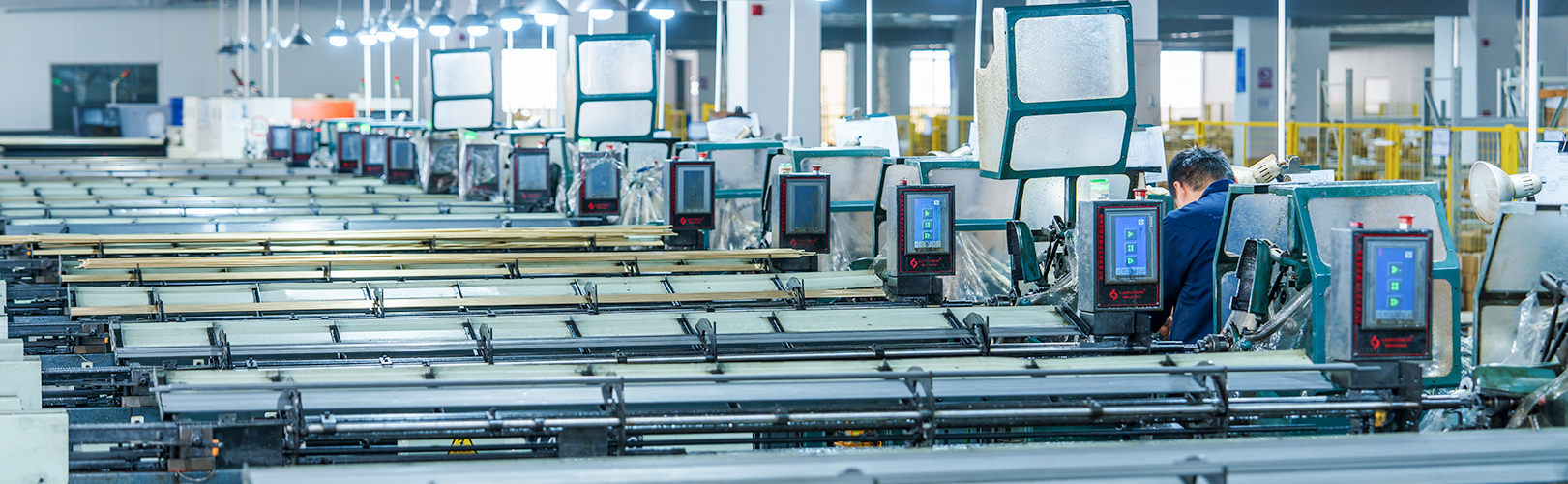
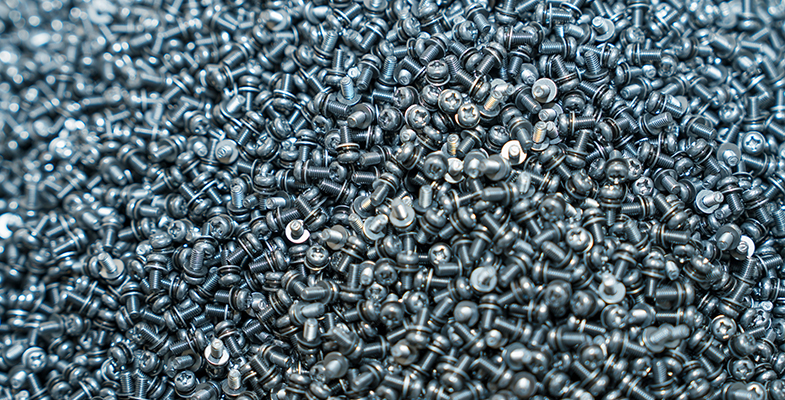
From fasteners to structural parts, Yongji offers integrated development and manufacturing for a wide range of custom precision hardware products.
Whether you need a few pieces for validation, small batches for development, or large volumes for mass production, we can support your project at different stages.
With integrated manufacturing resources in China and Vietnam, Yongji helps customers achieve stable quality, scalable production, and reliable delivery.
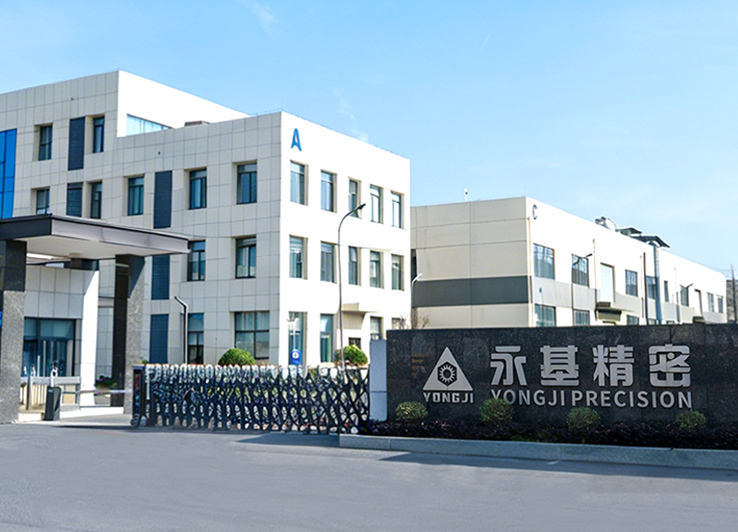
Yongji Precision Hardware is a global manufacturer specializing in precision fasteners and metal structural components. We are
China Precision Metal Stamping Parts Manufacturers and Custom
Metal Stamping Factory. Founded in 2003, the company has over two decades of experience serving international OEM and ODM customers across multiple industries.
With integrated manufacturing capabilities including cold heading, stamping, CNC machining and sheet metal fabrication...
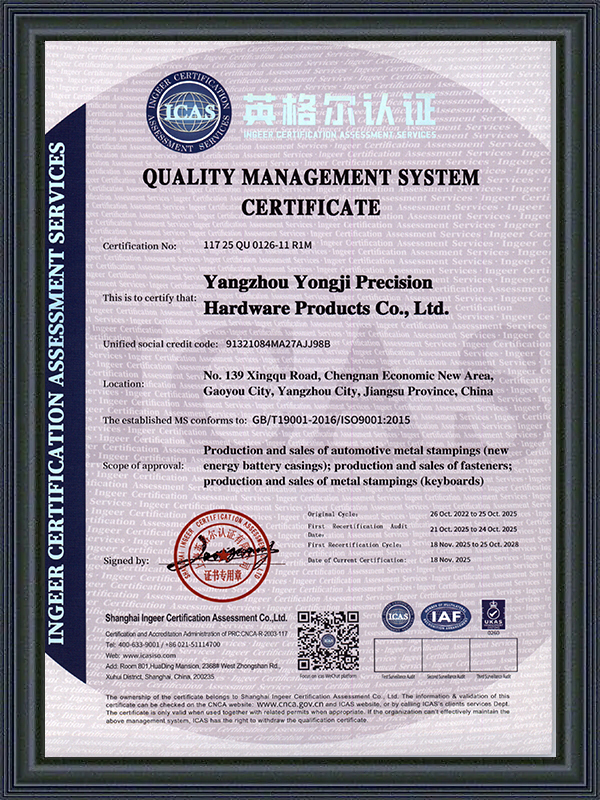
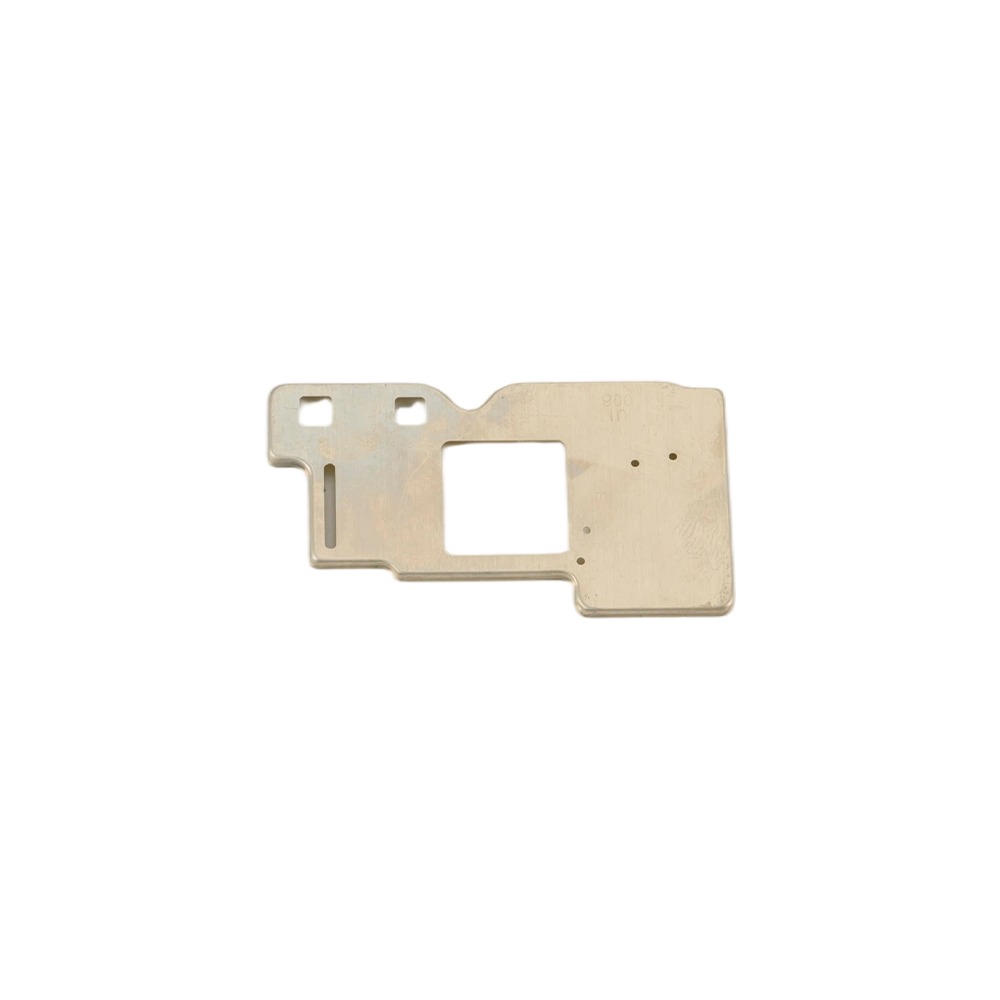
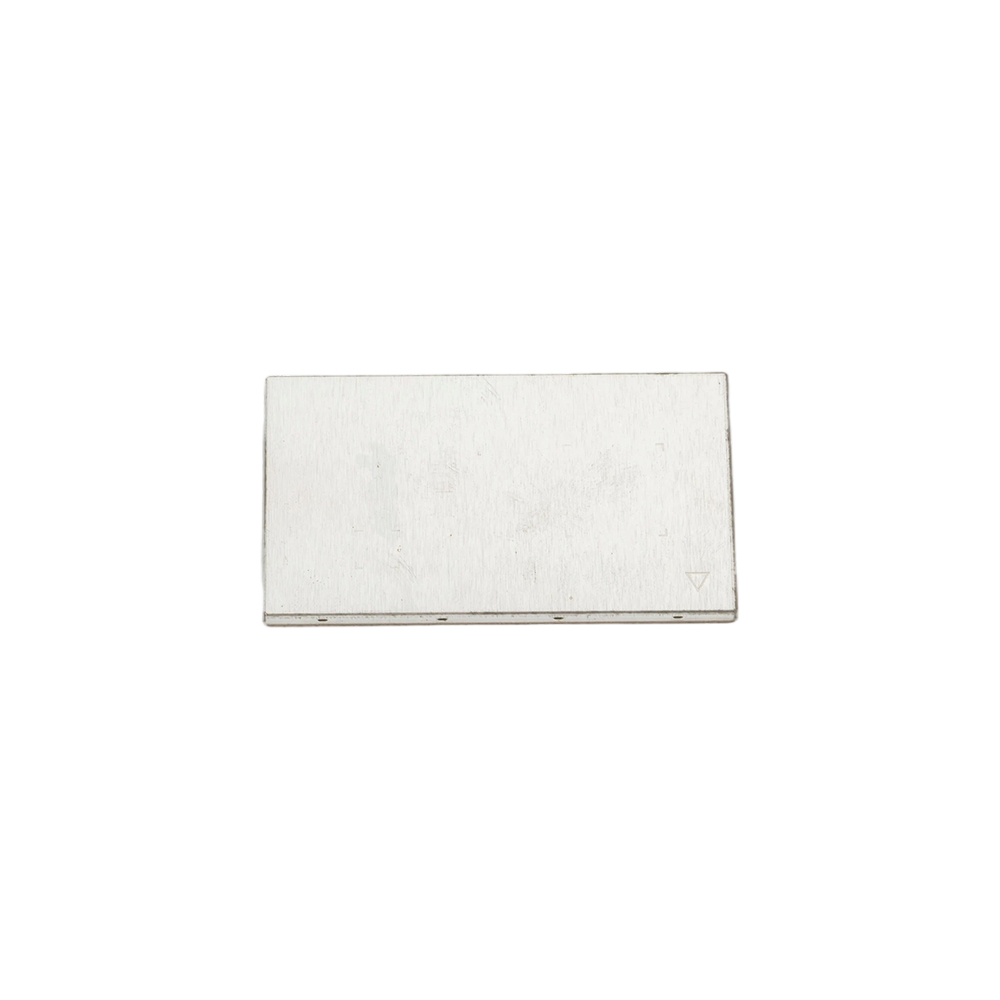
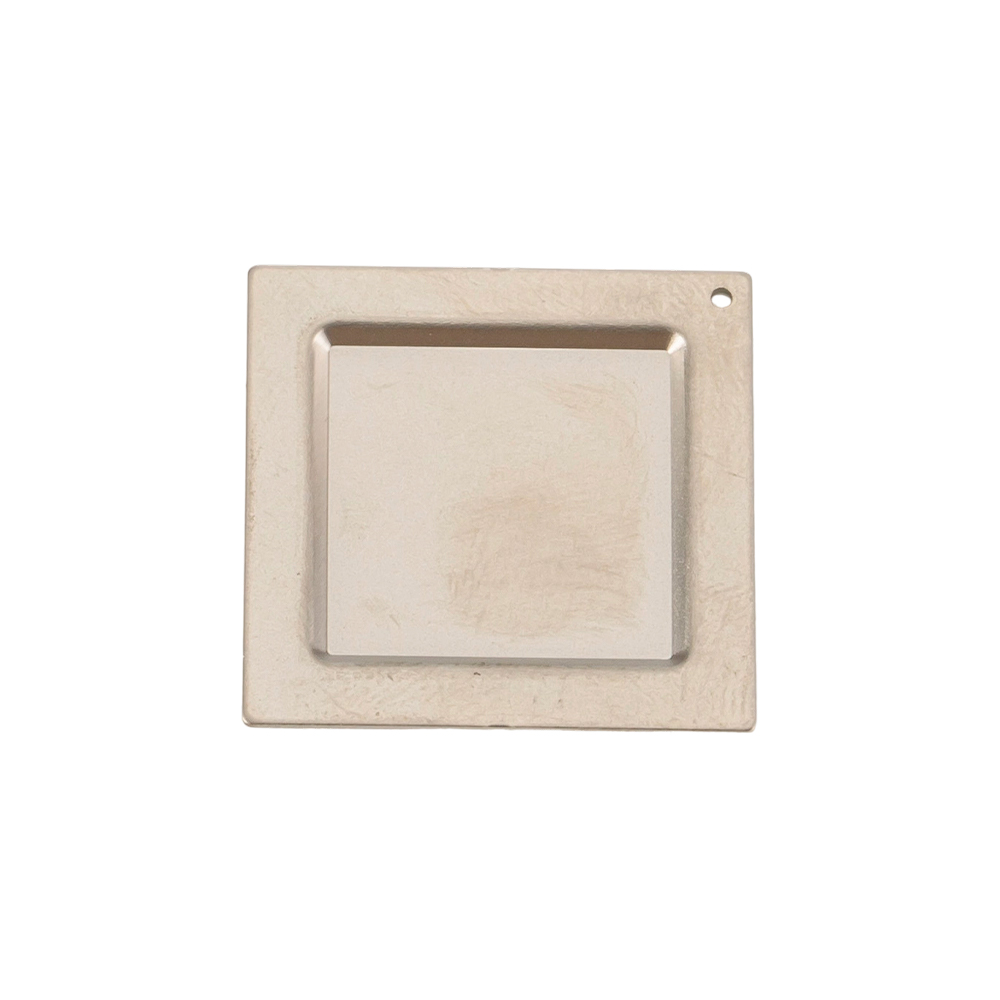
Yongji Precision Hardware Co., Ltd. is a Stamping Parts manufacturer producing precision metal stampings from 0.15 mm to 3 mm sheet on 80T–300T servo precision presses. Our stamping range covers RF shielding cans and covers, energy storage battery housings, conductive contact springs and terminals, keyboard positioning plates, busbars and equipment mounting brackets, supplied to OEM and ODM programs in electronics, new energy, telecom, display and industrial automation.
Stamping production runs at our Yangzhou and Vietnam bases, supported by in-house tooling, welding, ultrasonic cleaning, electroplating and painting. Engineering review, sampling and pilot runs are handled together with our Suzhou headquarters so that a drawing, a sample or a target application can move into stable mass supply without changing suppliers mid-project.
Our stamping workshop is organized around thin-gauge forming: bending, drawing, coining, piercing and progressive-die blanking. Servo closed-loop control holds bending and deep-drawing tolerances at ±0.05 mm, which suits parts that must seat, clip, shield or conduct rather than simply fill space.
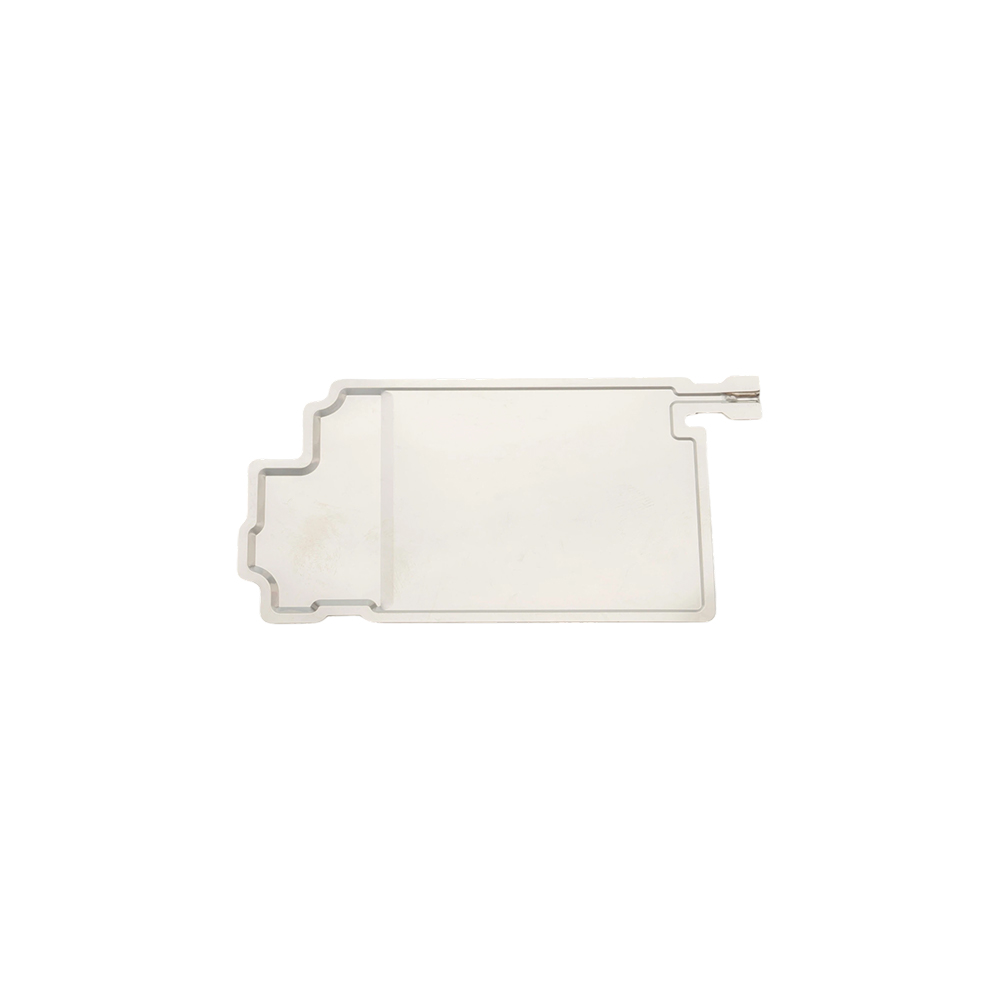
RF shielding cans and raised-feature shield covers for 5G modules, RF front ends and board-level EMI control.
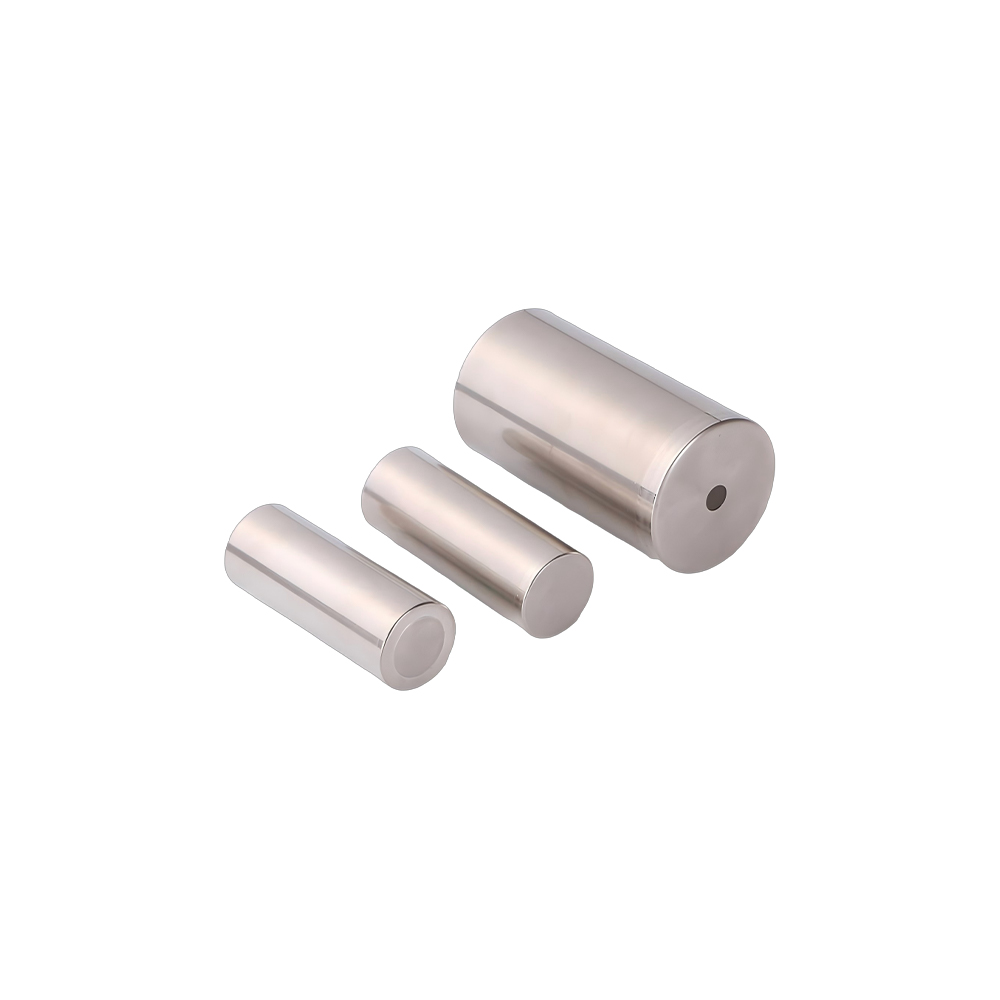
Stamped and drawn battery housings and square aluminum shells for lithium, nickel-metal hydride and dry-cell formats.
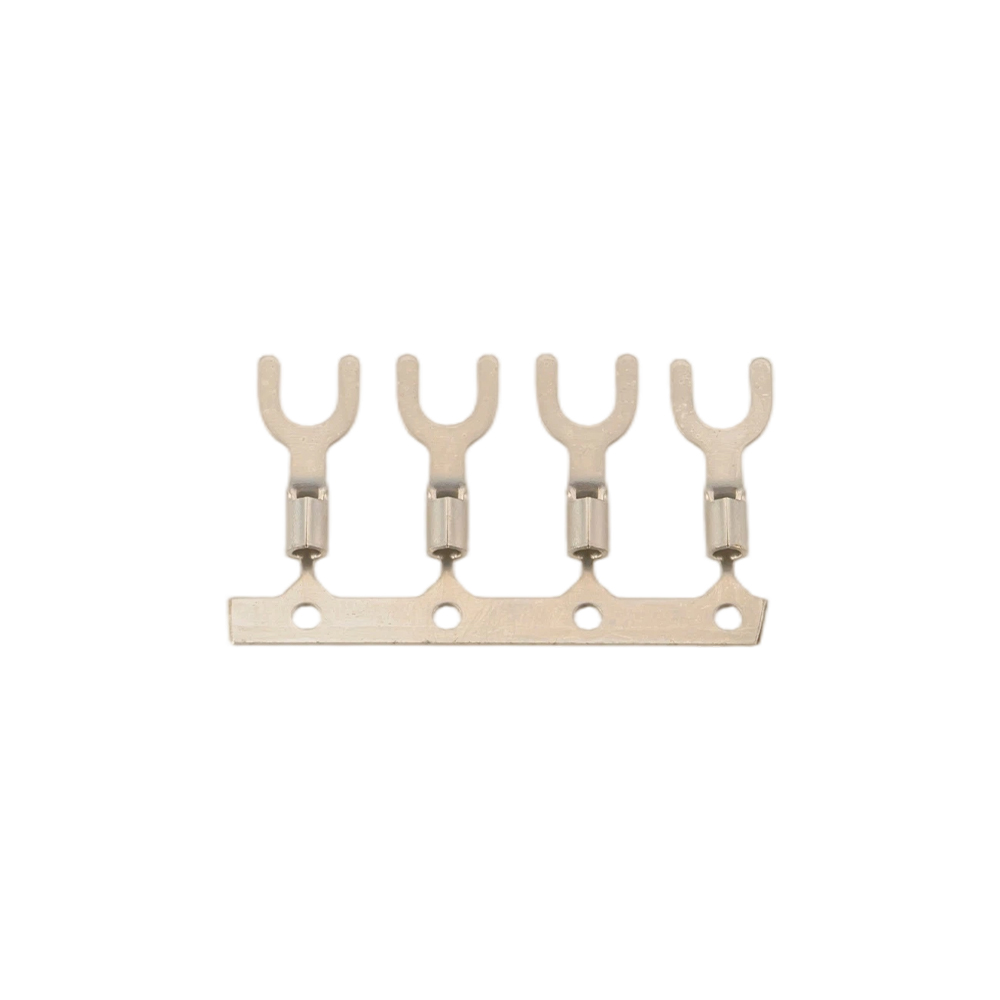
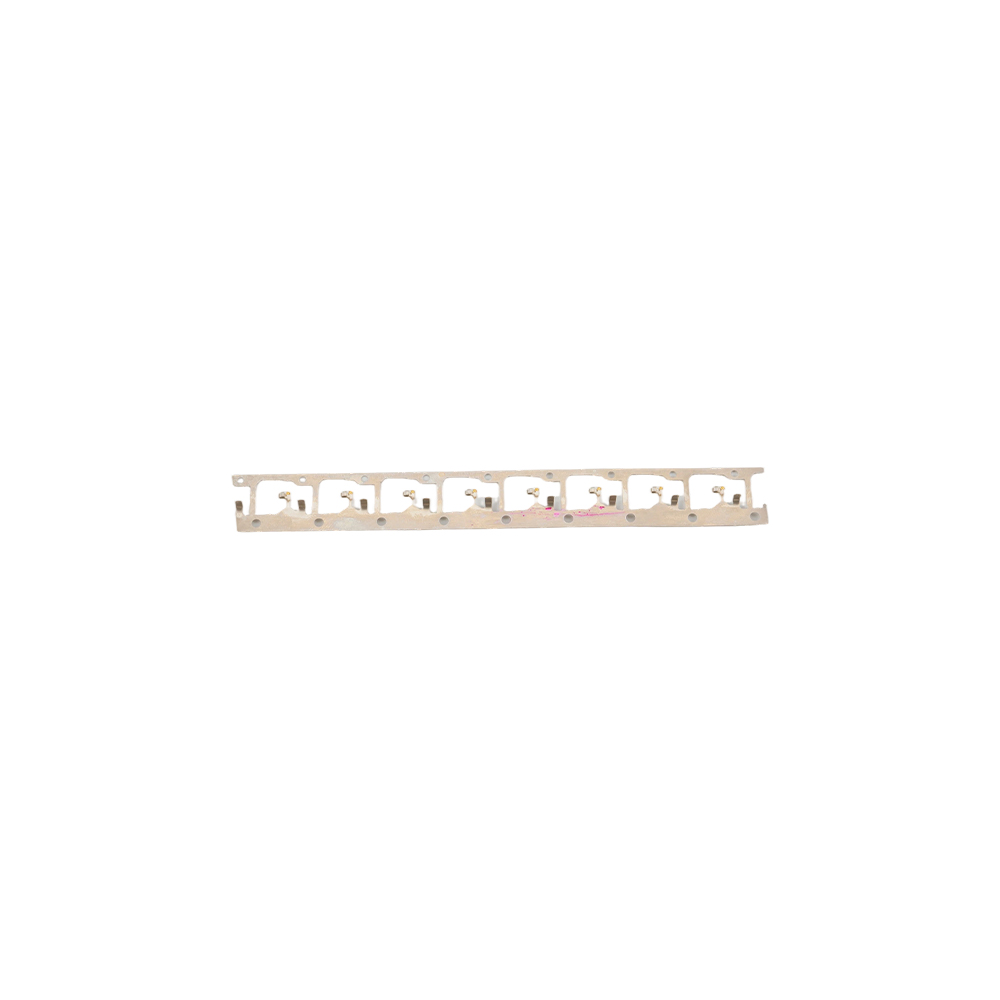
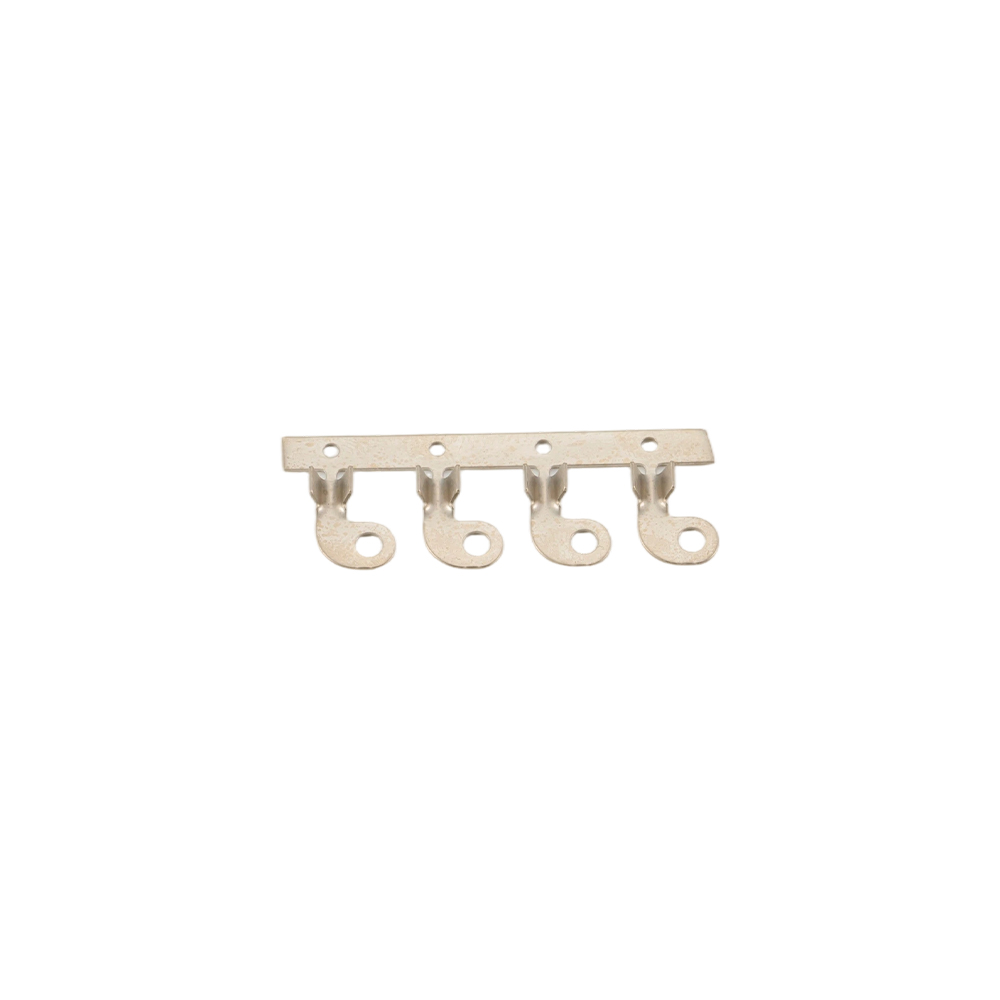
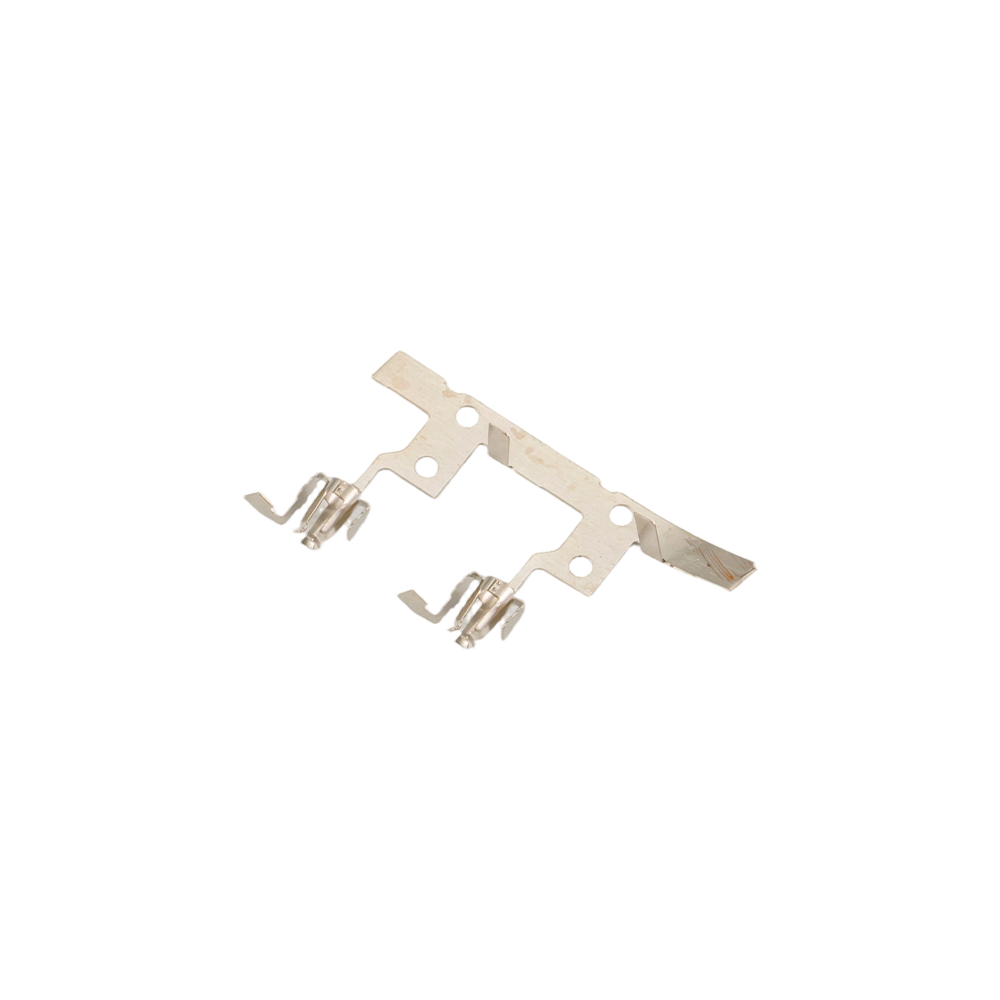
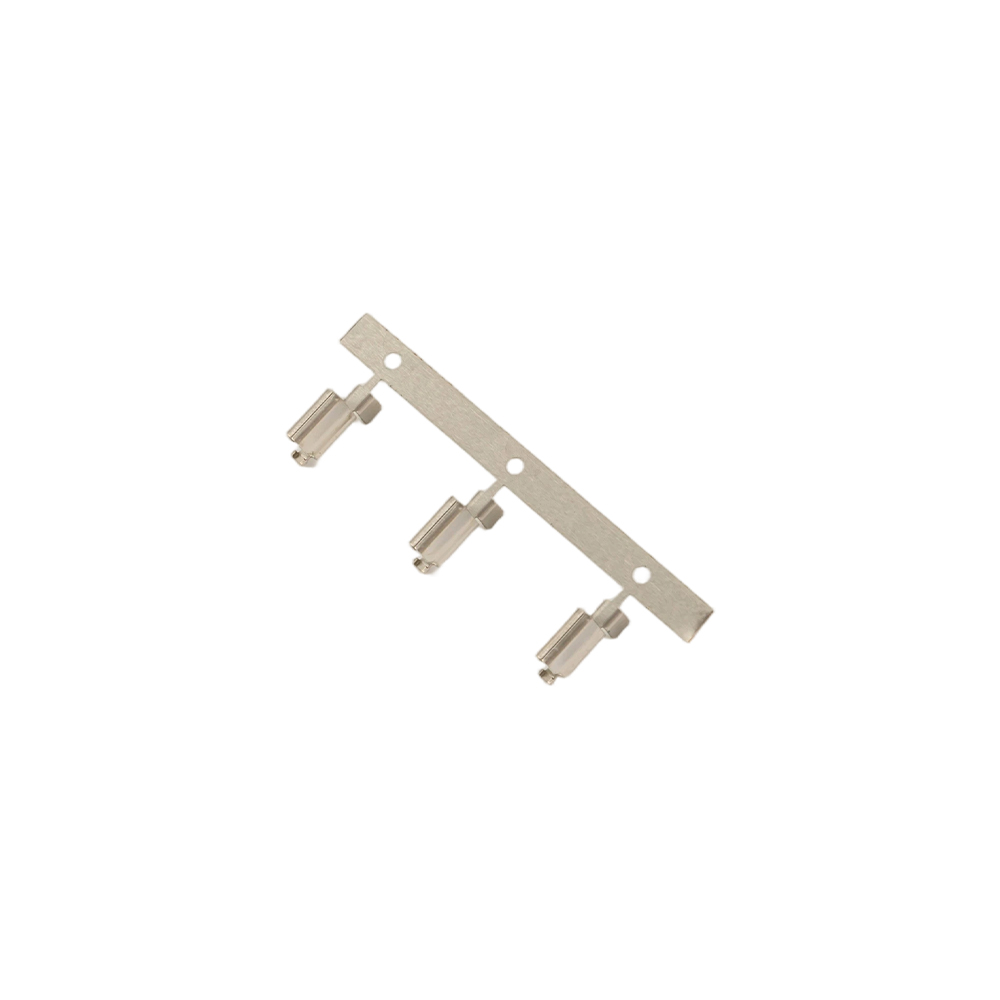
Single-ended and continuous stamped contact springs, crimp and pin terminals, strip terminals and conductive terminals.
Continuous stamped precision brackets, pipe clamp brackets, spring pipe clips and precision metal mounting brackets.
The table below maps our stamped product families to the applications they are normally specified into and the material and finish choices that follow from those applications.
| Product family | Typical application | Common material | Finish direction |
|---|---|---|---|
| Metal Electromagnetic Shield Can | Board-level EMI shielding, RF modules, telecom equipment | Nickel-plated steel, SUS304, aluminum | Nickel plating, conductive passivation |
| Battery Housing | Cell encapsulation, energy storage packs, portable electronics | Aluminum foil, nickel-plated steel, stainless steel | Nickel plating, passivation, cleaning |
| Single-ended Stamped Contact Spring | PCB grounding, ESD paths, switch and connector contacts | Phosphor bronze, beryllium copper, SUS301, brass | Localized gold, nickel or tin plating |
| Continuous Stamped Contact Spring | Reel-fed assembly, high-volume contact and grounding parts | Phosphor bronze, brass C2680/C2700, stainless steel | Selective plating, reel-to-reel handling |
| Silver-Plated Copper Busbar | Power distribution, inverter and energy storage current paths | Red copper, T2 copper | Silver plating, nickel underlayer |
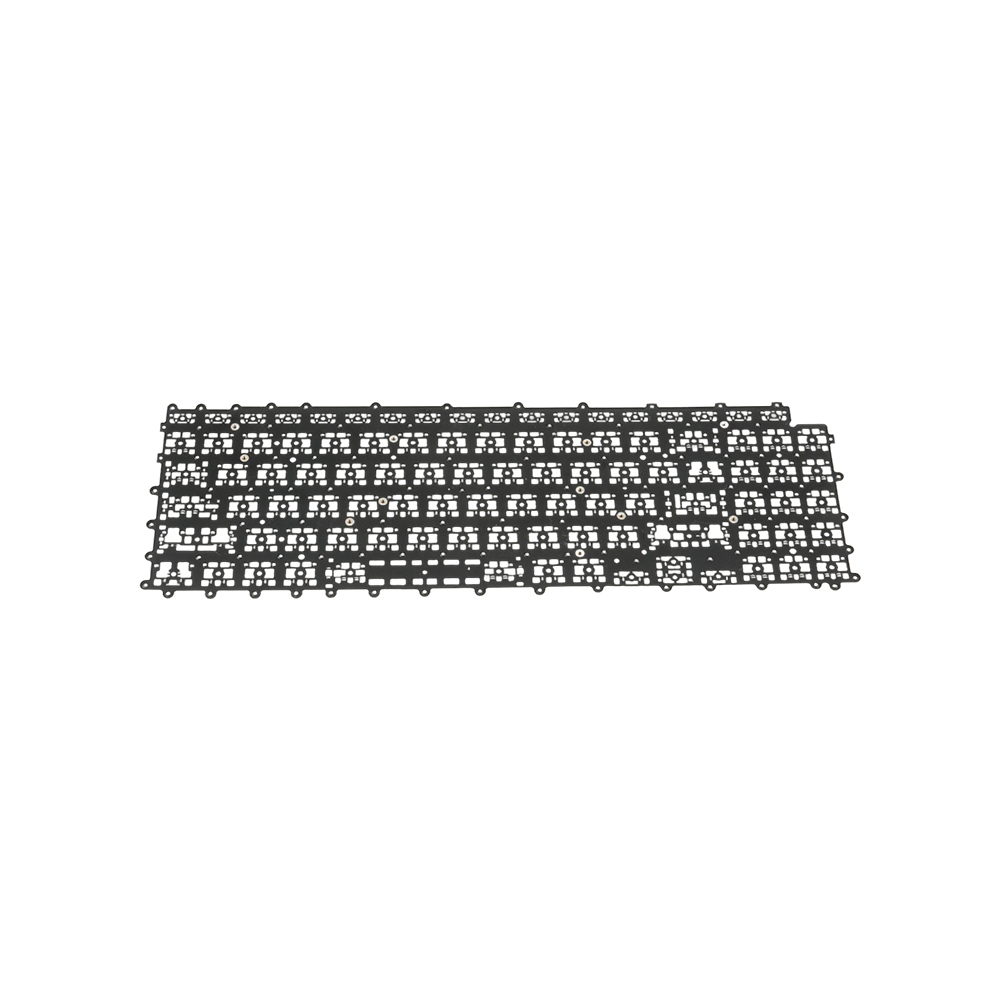
| Mechanical Keyboard Metal Positioning Plate | Switch mounting, key feel and chassis rigidity | SPCC cold-rolled steel, aluminum alloy | Electrophoresis, sandblasting, anodizing |
| Precision Metal Mounting Bracket | Equipment mounting, pipe retention, internal structural support | Cold-rolled steel, hot-dip galvanized steel, SUS304 | Zinc plating, painting, Dacromet |
Material selection follows the electrical, mechanical and corrosion duty of the part. Conductive springs need spring temper and controlled contact force; battery housings need drawability and sealing integrity; shielding cans need solderability and flatness across the seating face.
Where a stamped geometry cannot reach the required feature — deep eccentric grooves, micro holes, multi-step profiles — we route the part through our turning workshop instead, so the process choice follows the drawing rather than a fixed line.
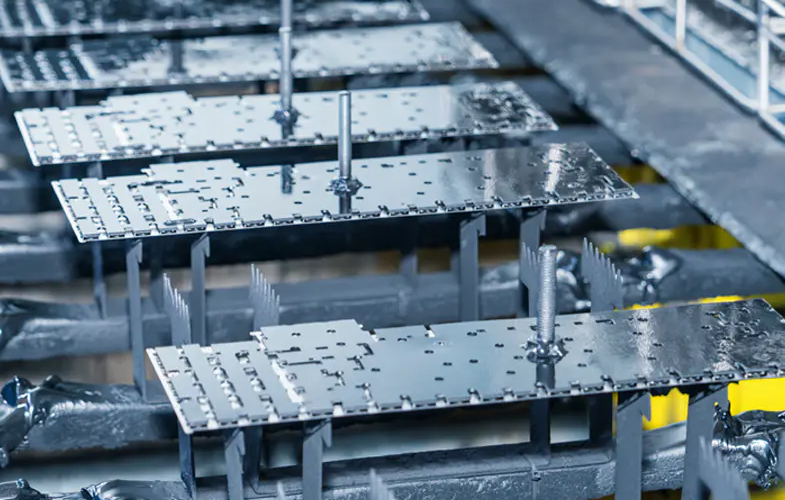
Stamped parts leave the press with sharp edges, forming marks and residual lubricant. Our finishing lines address conductivity, corrosion resistance and appearance in one sequence, with welding, ultrasonic cleaning, electroplating and painting available as integrated post-processing.
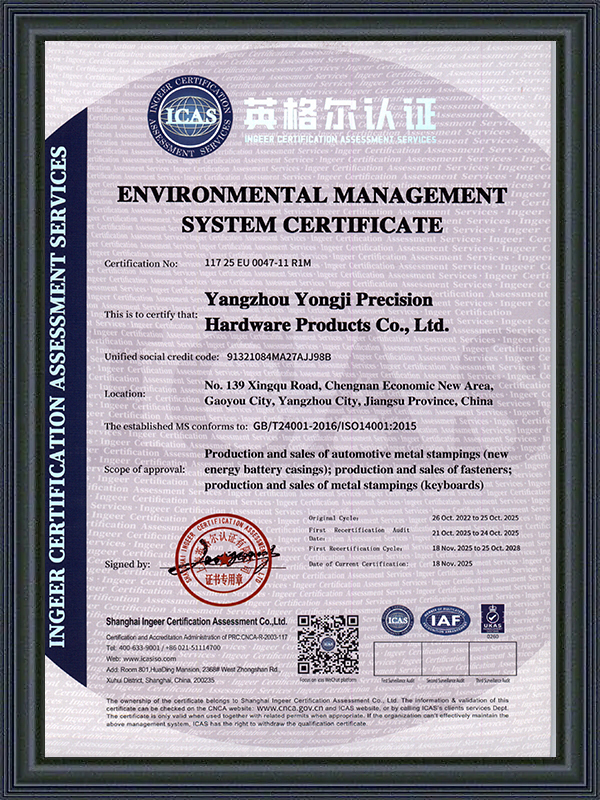
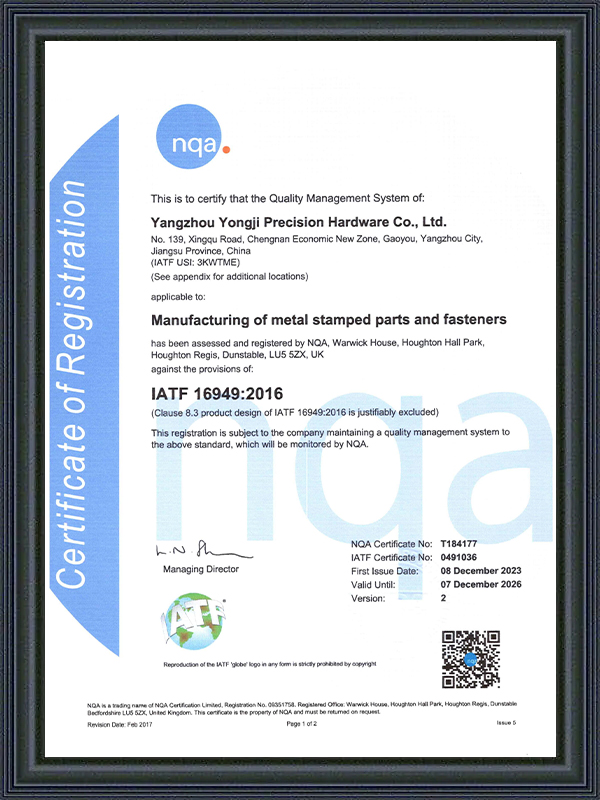
Stamped parts are inspected in an enclosed precision testing laboratory that serves all four production workshops. The laboratory operates under IATF16949, ISO9001 and ISO14001 system standards, with all instruments third-party calibrated annually.
| Inspection stage | Method and equipment | What it confirms |
|---|---|---|
| Incoming material | Optical emission spectrometer, XRF fluorescence RoHS detector | Grade identity and RoHS2.0 / REACH compliance |
| In-process | 2.5D optical vision measuring machine, contour meter, roughness tester | Forming dimensions and edge condition during the run |
| Final dimensional | Zeiss 3D CMM, automatic CCD sorter | Full-size and geometric tolerance verification |
| Mechanical | Universal tensile tester, torque tester, Rockwell/Vickers hardness tester | Tensile and yield strength, contact spring elasticity |
| Corrosion | Two neutral salt spray chambers, humidity cycling chamber, coating thickness gauge | 72 h to 1000 h salt spray performance and plating thickness |
| Metallographic | Metallographic microscope, cutting and polishing equipment | Structure analysis and failure investigation |
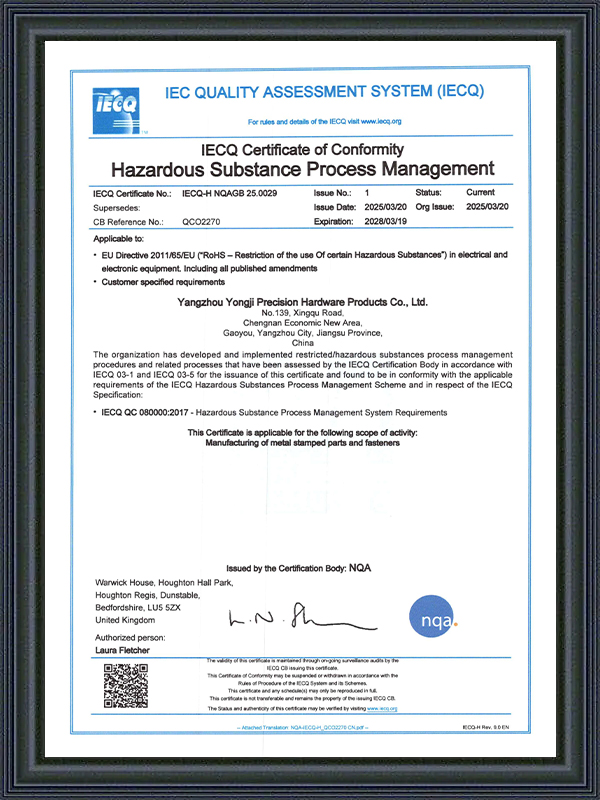
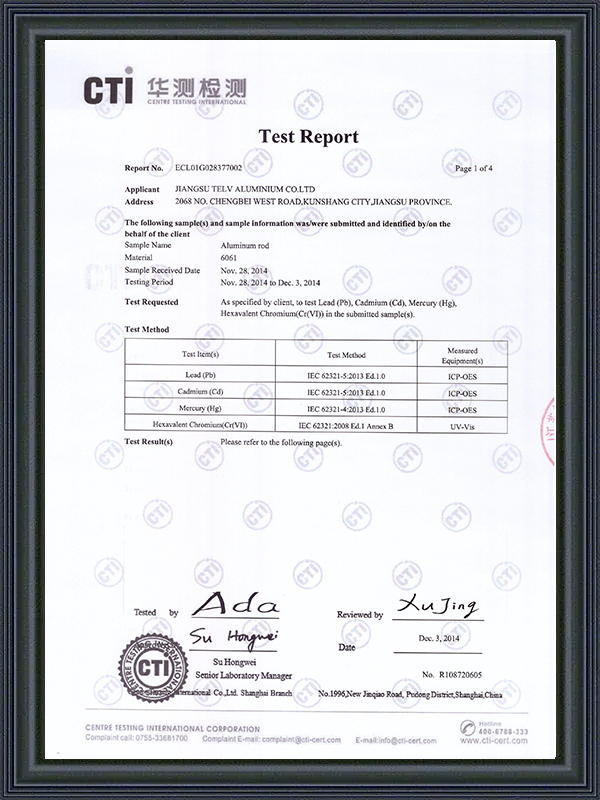
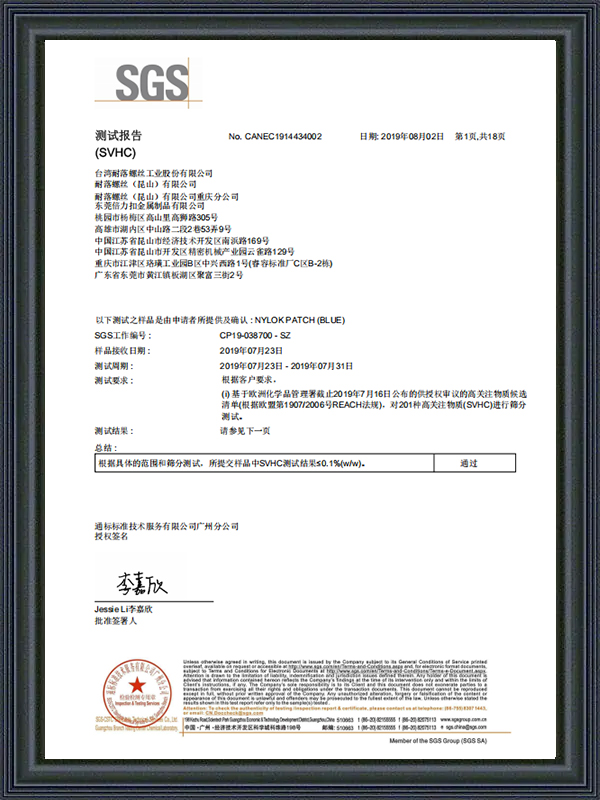
On request we issue material certificates, full-dimensional inspection reports, salt spray reports, mechanical test reports, RoHS certificates, 8D improvement reports and PPAP documentation. Sampling plans can be set to a customer's AQL standard, and testing procedures can be adapted to the internal inspection standards of overseas customers.
Custom stamping starts with an engineering review of the drawing or sample: material, thickness, bend radii, hole-to-edge distances, tolerance stack and the assembly interface the part must meet. Tooling is then developed for the specific geometry, and we confirm the process route before committing to a die.
Order quantities are flexible across these stages, so a validation batch and a production release can run on the same tooling and inspection scheme. Where a project needs a related part outside stamping — a fastener, a turned pin or a sheet metal enclosure — we produce it within the same group rather than splitting the build.
To return a workable process route and quotation, we work from the following project inputs. Missing items are resolved during engineering review rather than assumed.
We stamp 0.15 mm to 3 mm sheet on 80T–300T servo precision presses. Bending and deep-drawing dimensions are held at ±0.05 mm under servo closed-loop control, which covers most shielding, housing, terminal and bracket requirements.
Phosphor bronze, beryllium copper, SUS301 and SUS304 stainless steel, and brass C2680/C2700 are standard for spring and terminal work, with localized gold, nickel or tin plating applied where contact resistance or solderability matters.
Yes. Continuous stamped contact springs, strip terminals, pin terminals and similar parts are produced on progressive die lines and can be delivered in reel form for reel-fed assembly equipment.
Depending on the program, we provide material certificates, full-dimensional inspection reports, salt spray and mechanical test reports, RoHS certificates, 8D reports and PPAP documents. Inspection plans can follow your AQL standard.
We support prototype development, engineering validation, pilot production and mass production on the same tooling and inspection scheme, so the part validated at sampling is the part supplied in volume.
Copyright © 2026 by Yongji Precision Hardware Co., Ltd. Rights Reserved.
Custom Precision Metal Stamping Parts Manufacturers
