
 English
 中文简体
中文简体 Español
Triangular-Thread Recessed Cross-Recess Hex Serrated Flange Bolt | Technical Breakdown
I. Product Overview
The triangular-thread recessed cross-recess hex serrated flange bolt is a non-standard industrial fastener that integrates multiple functional structural features. It combines the self-locking characteristics of a triangular thread form with the mechanical locking action of a serrated flange to provide dual physical resistance to loosening.
This design is particularly suitable for precision equipment and applications subject to frequent vibration. The product is available in two commonly used industrial materials: carbon steel and stainless steel.
II. Key Structural Features
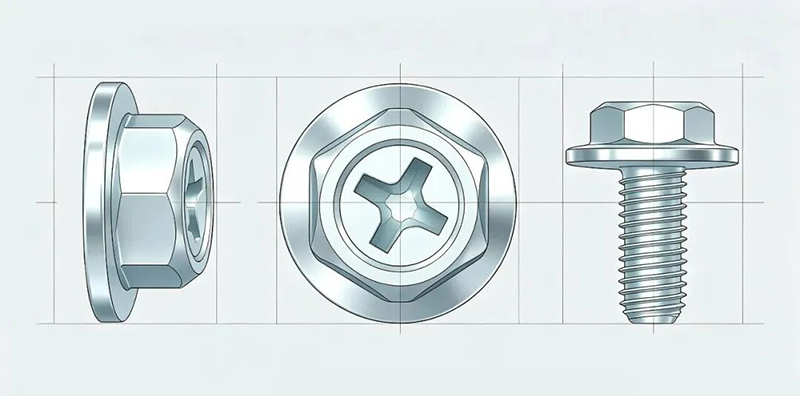
1. Recessed Low-Profile Head
Design principle:
The bolt head incorporates a recessed, low-profile design that reduces the installed head height. Compared with conventional flat-head flange bolts, it helps minimize interference and accidental contact during assembly and operation.
Typical applications:
Suitable for precision equipment with thin housings, narrow installation spaces, or other applications requiring a compact and flush installation profile.
2. Dual-Drive Head Design
Design principle:
The head combines a cross recess and an external hex drive, allowing two different fastening methods. This design supports both efficient production-line assembly and controlled torque tightening.
Functional advantages:
The cross recess can be used with electric screwdrivers for rapid preliminary tightening, helping improve assembly efficiency. The external hex can be tightened with a socket or wrench to achieve controlled and consistent fastening torque.
3. Integrated Serrated Flange
Design principle:
The integrated serrated flange eliminates the need for separate flat or spring washers in suitable applications. When tightened, the serrations on the underside of the flange engage with the mating surface, creating a mechanical locking effect that helps resist loosening and slippage.
Protective advantages:
The enlarged flange provides a wider load-bearing area and distributes clamping force more evenly, helping reduce localized deformation or damage to thin sheet metal, aluminum, and other relatively soft workpieces.
4. Triangular Self-Locking Thread
Locking principle:
The specially designed triangular thread form provides a self-locking effect. Combined with the mechanical engagement of the serrated flange, it creates a dual physical anti-loosening structure.
Key benefit:
The design can reduce reliance on thread-locking adhesives in vibration and alternating-load applications while helping maintain stable fastening performance over extended periods.
III. Material Selection Guide
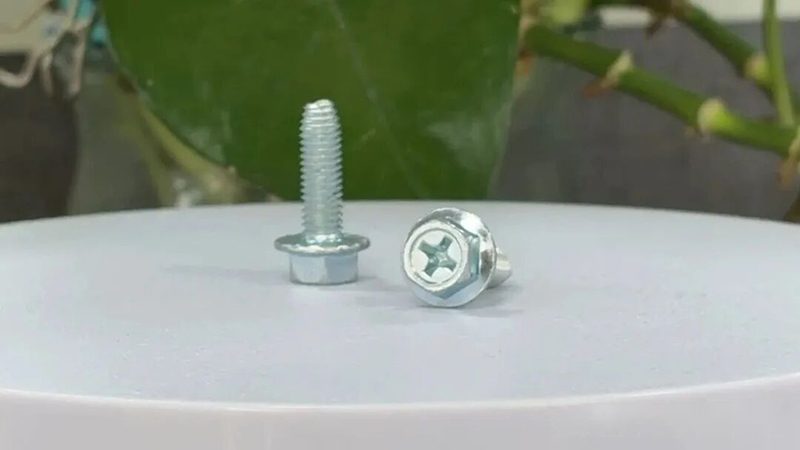
The bolt is available in two commonly used industrial materials to meet different application requirements.
1. Carbon Steel
Key advantages:
High strength and good cost efficiency, making it suitable for high-volume assembly. Corrosion resistance can be further improved through surface treatments such as zinc plating or Dacromet coating.
Typical applications:
General machinery, equipment frames, sheet metal assemblies, and other conventional indoor applications without significant corrosive exposure.
2. Stainless Steel
Key advantages:
Provides good corrosion resistance and resistance to moisture, salt spray, and many chemical environments, making it suitable for long-term use under demanding conditions.
Typical applications:
Outdoor equipment, humid environments, food-processing equipment, corrosion-resistant precision equipment, and other applications requiring enhanced environmental resistance.
IV. Standard Installation Guidelines
Installation orientation: The serrated flange surface should face and contact the workpiece. Incorrect installation may significantly reduce the intended anti-loosening effect.
Torque control: Tightening torque should be selected according to the bolt specification, material grade, mating material, and applicable engineering standards. Excessive tightening should be avoided to prevent thread damage or workpiece deformation.
Pre-installation inspection: Check the serrations for damage, corrosion, or excessive wear before assembly, as these conditions may affect anti-loosening performance.
Anti-loosening requirements: The combination of the triangular thread form and serrated flange provides mechanical resistance to loosening and can reduce the need for additional thread-locking measures in suitable applications.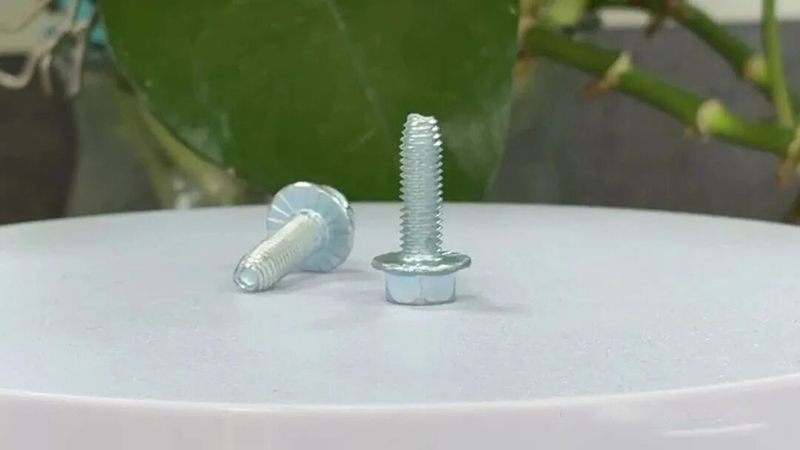
V. Key Advantages
Low-interference installation:
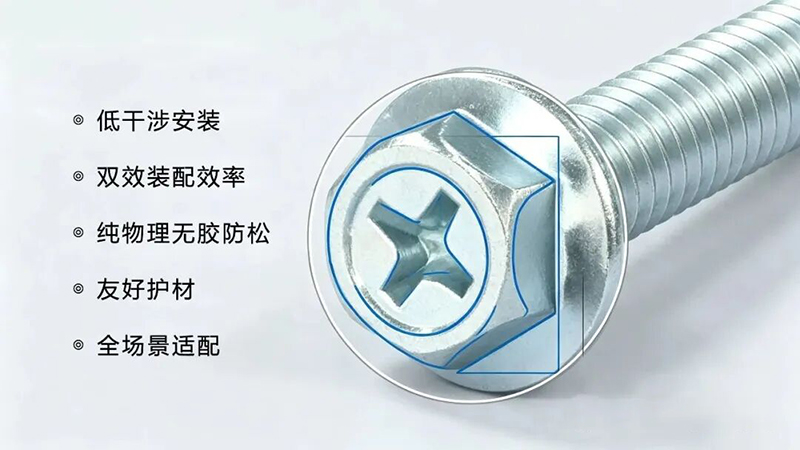
The recessed low-profile head helps reduce spatial interference in compact and precision assemblies.
Flexible dual-drive assembly:
Cross-recess and external hex drives support both efficient production-line assembly and controlled torque tightening.
Mechanical anti-loosening design:
The triangular thread form and serrated flange work together to improve resistance to loosening without relying solely on thread-locking adhesive.
Improved protection for workpieces:
The wide flange distributes clamping pressure more evenly, helping protect thin sheet metal and lightweight components.
Multiple material options:
Carbon steel and stainless steel options allow the product to accommodate a range of conventional, corrosive, and vibration-prone operating environments.
VI. Conclusion
By integrating a recessed low-profile head, dual-drive structure, serrated flange, and triangular thread form, this bolt addresses several common fastening challenges, including the need for additional washers, limited installation space, and loosening under vibration.
It is particularly suitable for precision equipment and vibration-prone mechanical assemblies. Engineers and industry professionals are welcome to share their practical installation and application experience.
Recommended Products
-
Hex Head Bolt (Full Thread)
-
Hexagon Flange Bolt
-
Hexagon Flange Bolt
-
Cross Recessed Pan Head SEMS Screw
-
Cross Recessed Pan Head SEMS Screw
-
Hex Head Bolt (Partial Thread)
-
Cross Recessed Large Pan Head Machine Screw
-
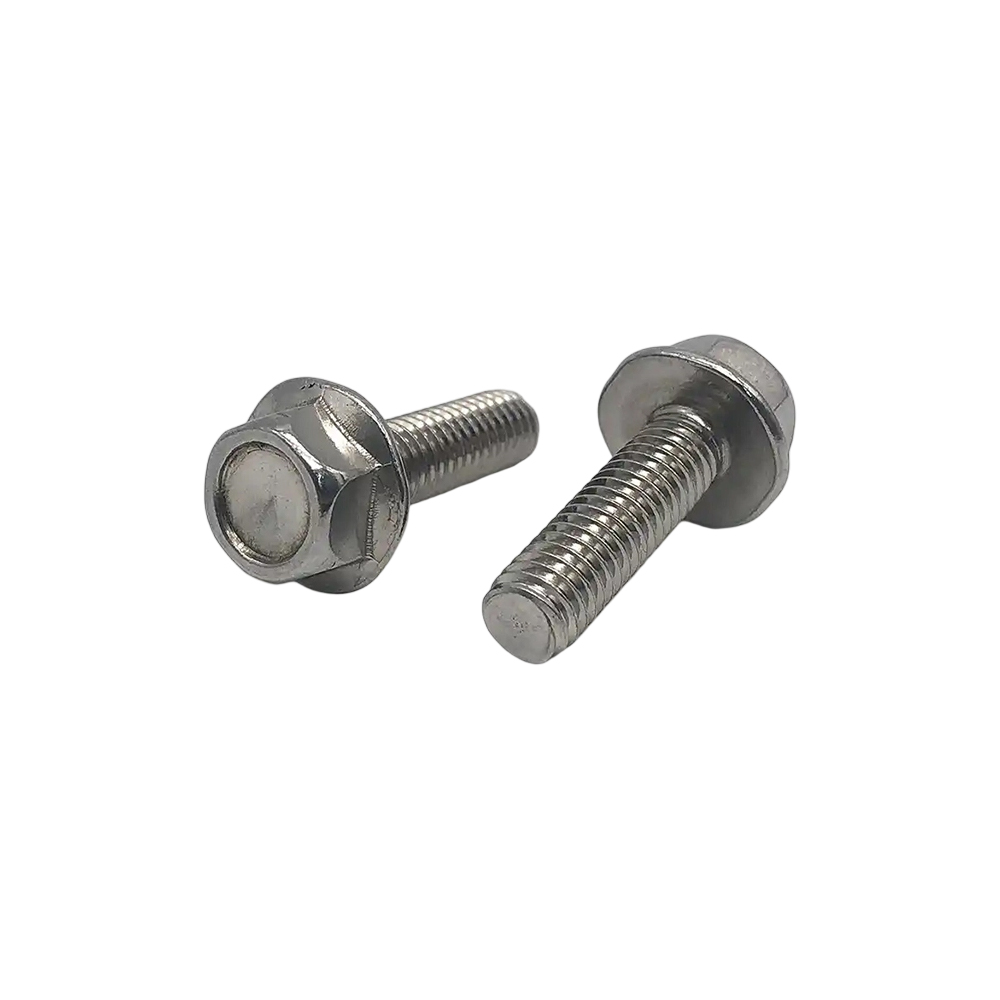
Hex Flange Bolts
-
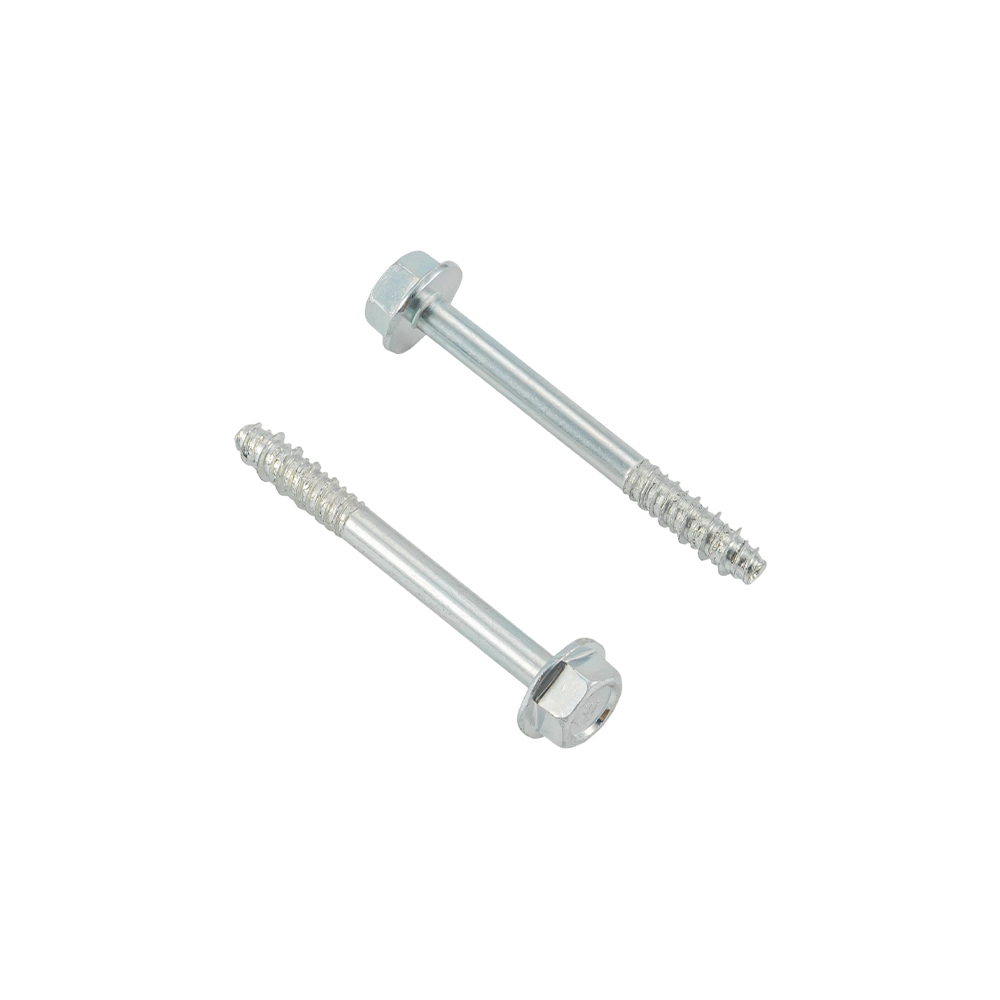
Hex Flange Head Self-Tapping Screw
-
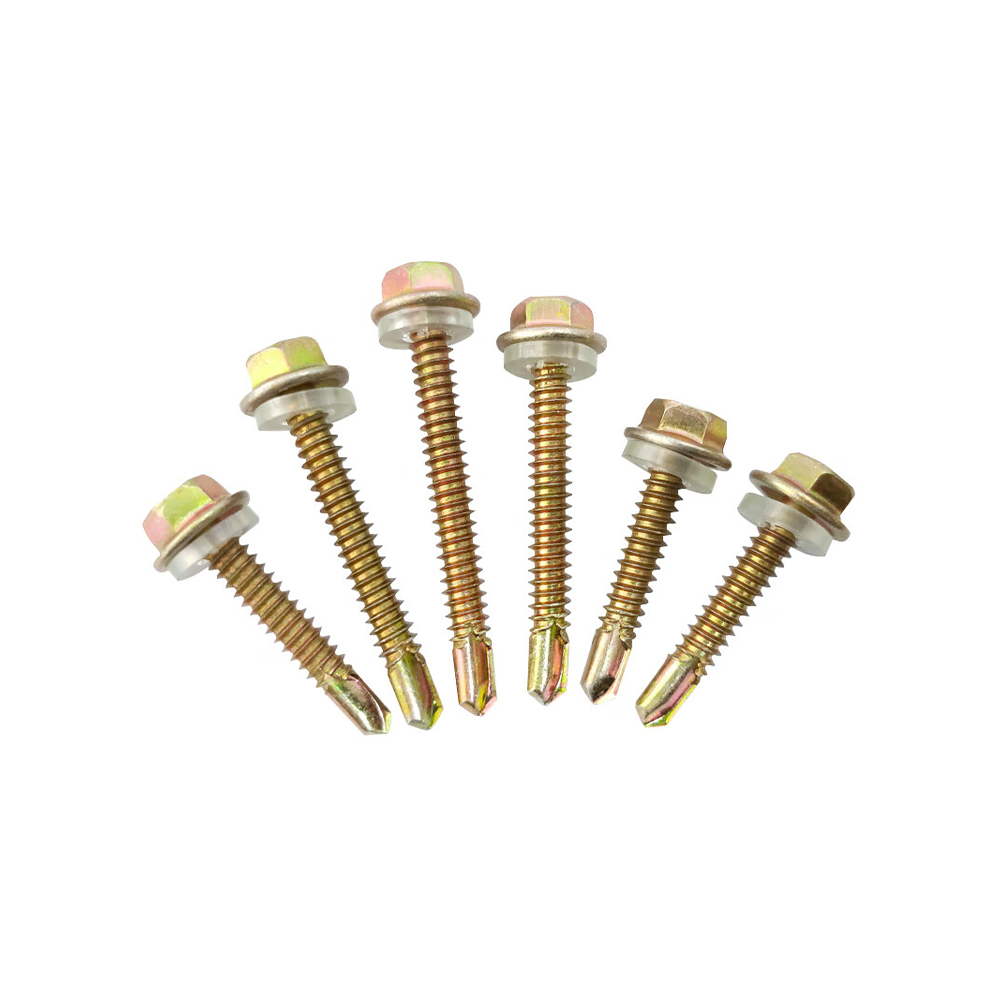
Hex Flange Drill Tail Screw with Rubber Washer
Copyright © 2026 by Yongji Precision Hardware Co., Ltd. Rights Reserved.
Custom Fasteners & Turned Parts, Precision Hardware Manufacturers
