
 English
 中文简体
中文简体 Español
The Complete Shoulder Screw Guide: Precision Role, Selection Criteria, and Sizing
Content
A pick-and-place cell starts clicking after about 400,000 cycles. The joint has 0.35 mm of play, and the root cause is not a loose nut: a standard full-thread bolt was used as the pivot, so the thread crests have worn the bore and the arm drifts a little more on every cycle. The direct fix, repeated in thousands of automated machines, is to replace that fastener with an ISO 7379 shoulder screw.
Shoulder screws, also called shoulder bolts or stripper bolts, carry rotating or sliding loads on a precision-ground unthreaded shoulder. That shoulder provides a controlled diameter and concentric clearance between moving parts while the smaller threaded section only holds the assembly together. This division of work is why engineers turn to a shoulder screw whenever a fastener must do more than clamp.
What Is a Shoulder Screw Used For?
A shoulder screw is used wherever a rotating, sliding, or repeatedly located part needs a smooth bearing surface that stays concentric with its threaded mounting position.
The shoulder functions as a bearing journal. In a pivot, the shoulder turns against a bushing or a reamed bore; in a spacing application, the shoulder length sets the exact gap between two components. Because the shoulder is unthreaded, it does not cut or fret the surrounding part the way a thread form does.
Core definition: a shoulder screw has a head, an unthreaded precision-ground shoulder, and a threaded pilot. The shoulder is the working surface; the thread is for retention only.
Typical production uses include:
- Pivot shafts and fulcrums in linkage assemblies and adjustable mechanisms
- Spacers and standoffs for PCB, chassis, and panel mounting
- Guide pins and stripper pins in forming dies and molding tools, often identified as stripper bolts
- Support journals for cam rollers, pulleys, and light gears
- Locating elements where one part must return to the same position after every service
Shoulder Screw vs Regular Bolt: When the Thread Should Not Touch
Choose a shoulder screw whenever the fastener will move, guide, or separate parts; choose a regular bolt when the joint only needs axial clamping force.
In a clamping joint, the thread transfers load from one component to another through the bolt head and nut. In a moving joint, the same thread becomes a wear generator. The sharp, hard crests of a rolled thread contact the bore surface as a set of interrupted lines rather than a continuous cylinder, and vibration amplifies the clearance after every cycle. A shoulder screw presents a smooth, round, continuous bearing surface over the required length.
| Aspect | Shoulder screw | Regular bolt |
| Bearing surface | Precision-ground unthreaded shoulder | Thread crests or plain shank if one exists |
| Rotation behavior | Smooth, low-runout pivot | Threads can dig into the bore and raise metal particles |
| Primary function | Radial location, spacing, guiding | Axial clamping of stacked parts |
| Typical cost level | Higher because of tolerance control | Lower for the same nominal size |
How to Choose Shoulder Screw Dimensions, Tolerances, and Materials
Start with the bore diameter and clearance your mechanism needs, then select a shoulder length that covers the moving part plus a lead-in, and only then check the thread size and material grade.
A common first-pass sequence for a rotating joint is:
- Define the radial load and speed that the shoulder must support.
- Match the shoulder diameter to the finished bore diameter; in an ISO 7379 screw, the shoulder is larger than the pilot thread, so the thread size and shoulder diameter are separate callouts.
- Specify the shoulder length as the thickness of the moving member plus bushing height and allowance for axial play.
- Choose a diameter tolerance compatible with the fit. ISO 7379 production commonly offers h8 for general assemblies and h7 for tighter running fits.
- Select the material and surface finish from the table below based on strength and environment.
| Material | Strength profile | Best suited for |
| Alloy steel, grade 10.9 | High tensile strength, hardened and tempered | Machine tools, presses, industrial robots |
| Stainless steel A2 (304) | Good general strength, corrosion resistant | Medical equipment, electronics, food-line washdown areas |
| Stainless steel A4 (316) | Higher corrosion resistance than A2 | Marine, outdoor, and chemical plant fixings |
| Aluminium 7075 | Lightweight, moderate strength, anodizable | Prototypes, drones, consumer electronics |
Manufacturing Options for Custom Shoulder Screws
Custom shoulder screws are produced by cold heading for high-volume runs and by CNC turning for prototypes and smaller batches; both routes include a finishing step on the shoulder and a quality check on diameter, roundness, and hardness.
The shoulder diameter and concentricity are the two features that decide whether the fastener works. In cold heading, the wire is upset in dies and the thread is rolled, which creates excellent grain flow and repeatability at a low piece price. CNC turning is the faster tool for unusual lengths, small quantities, or alternative alloys because the part is machined from bar stock and can be adjusted on the machine.
Cold heading route
Best above several tens of thousands of parts. Rolled threads improve fatigue life, material utilization is high, and the shoulder can be ground as a second operation when runout requirements are severe.
CNC turning route
Best for prototypes, short lead times, and material changes. The shoulder is generated by the turning pass, so tolerance and surface finish are controlled by tooling rather than by die wear.
When a customer sends a drawing, the fastest way to avoid scrap and delays is to include the same information a machine shop would need:
- Shoulder diameter and tolerance class, for example 8 mm h8
- Shoulder length and overall length
- Thread size, pitch, and tolerance
- Head form and drive type
- Material grade and required hardness, for example 10.9 grade alloy steel
- Surface finish, such as black oxide, zinc-nickel, or passivation
Application note: if the shoulder screw must drop into a bushing with a controlled preload, state the running clearance in the drawing. Surface roughness on the shoulder is a specification, not a decoration; Ra 0.8 micron is a practical target for a hardened steel pivot surface.
Yongji Precision Hardware Co., Ltd., a precision fastener manufacturer with four production sites in China and Vietnam and more than 200 international OEM and ODM customers, supplies shoulder screws with cold heading, cam turning, CNC turning, and precision inspection from the same plant system. Sharing the drawing early also helps the engineering team comment on tolerance stack-up before tooling starts.
Shoulder Screw FAQ
What is the difference between a shoulder screw and a shoulder bolt?
There is no structural difference. In workshops, shoulder bolt and shoulder screw are interchangeable names for the same fastener. In dies and molds the term stripper bolt is used when the screw guides a stripper plate. Metric parts are usually specified to ISO 7379; imperial socket-head shoulder screws are covered by ASME B18.3.
How do I measure the shoulder length correctly?
Measure the unthreaded cylindrical portion from the underhead surface to the point where the full thread form begins, and avoid the thread runout area. A comparator or stepped gauge is more reliable than a caliper for tight tolerances. If the shoulder length controls spacing, state the tolerance directly in the drawing.
Are shoulder screws stronger than regular screws?
For the same material grade, a shoulder screw is not stronger in axial tension because the thread determines the tension limit. The advantage is in shear and wear: the larger solid shoulder area carries radial load far better than a threaded shank and keeps precise running clearance over many cycles.
When should I use a shoulder screw instead of a dowel pin?
Use a dowel pin for permanent alignment when separate fasteners clamp the parts together. Use a shoulder screw when the joint must pivot, slide, or be disassembled repeatedly while holding position. A shoulder screw locates and retains at the same time.
Recommended Products
-
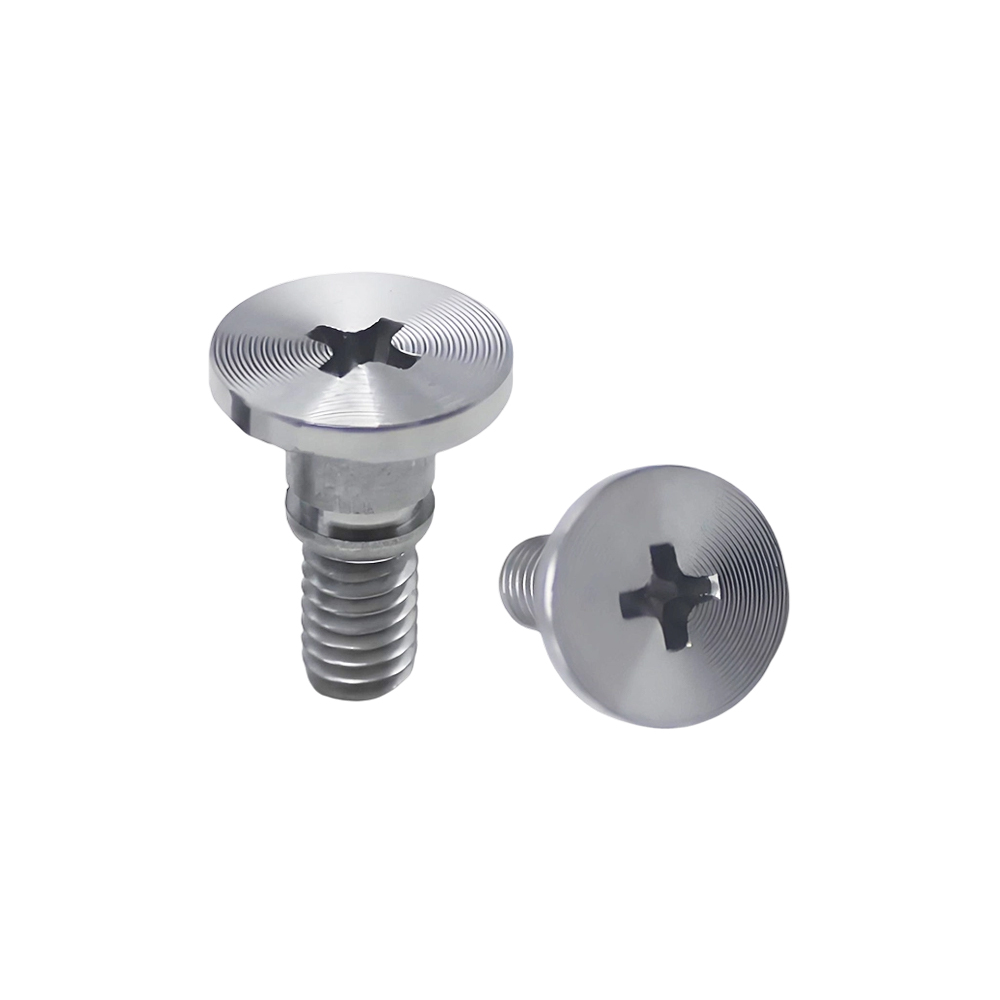
Shoulder Screw
-
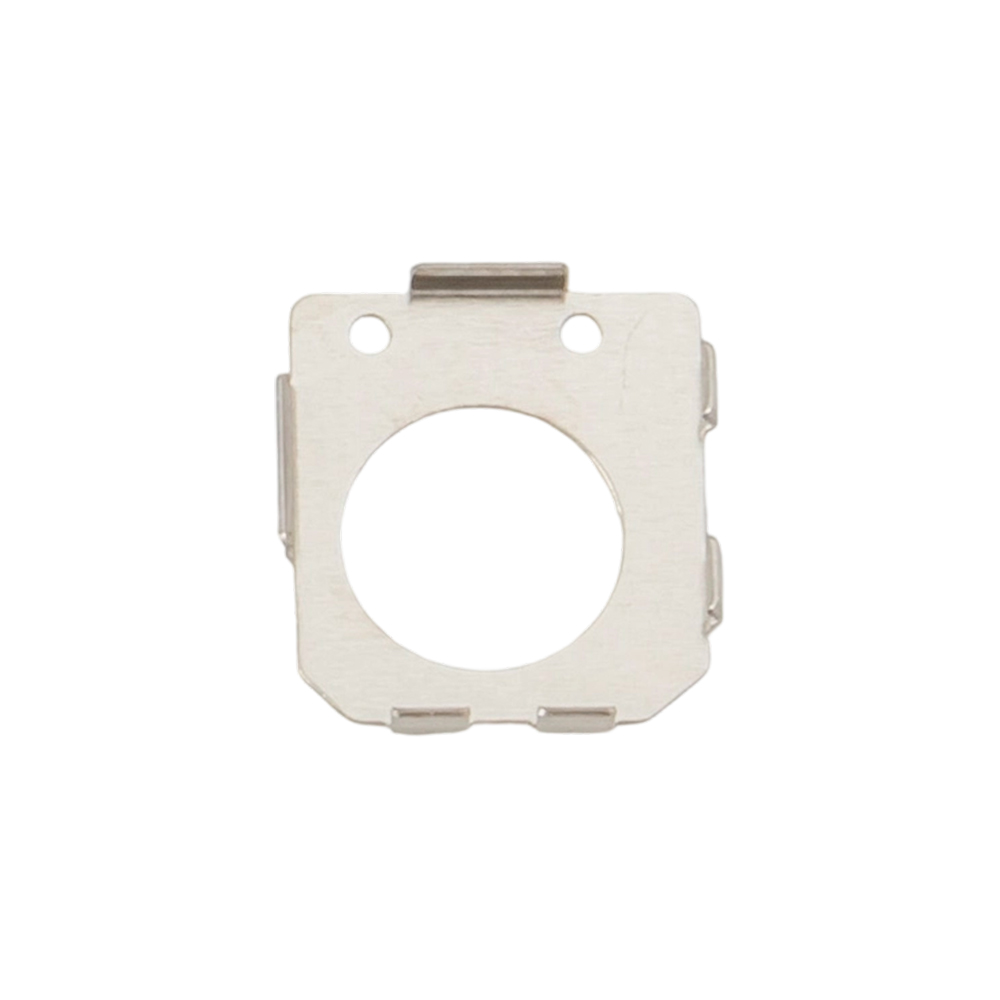
Precision Metal Mounting Bracket
-
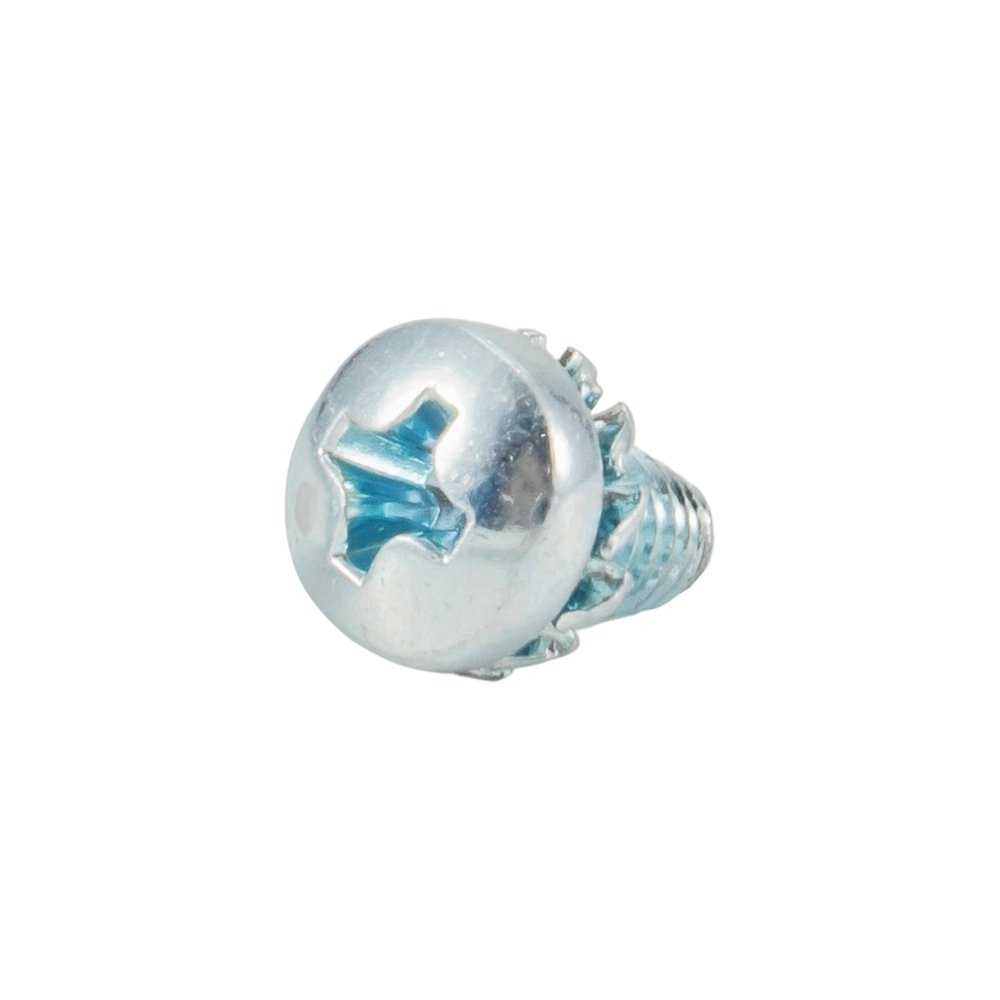
Pan Head Screw with External Tooth Washer
-
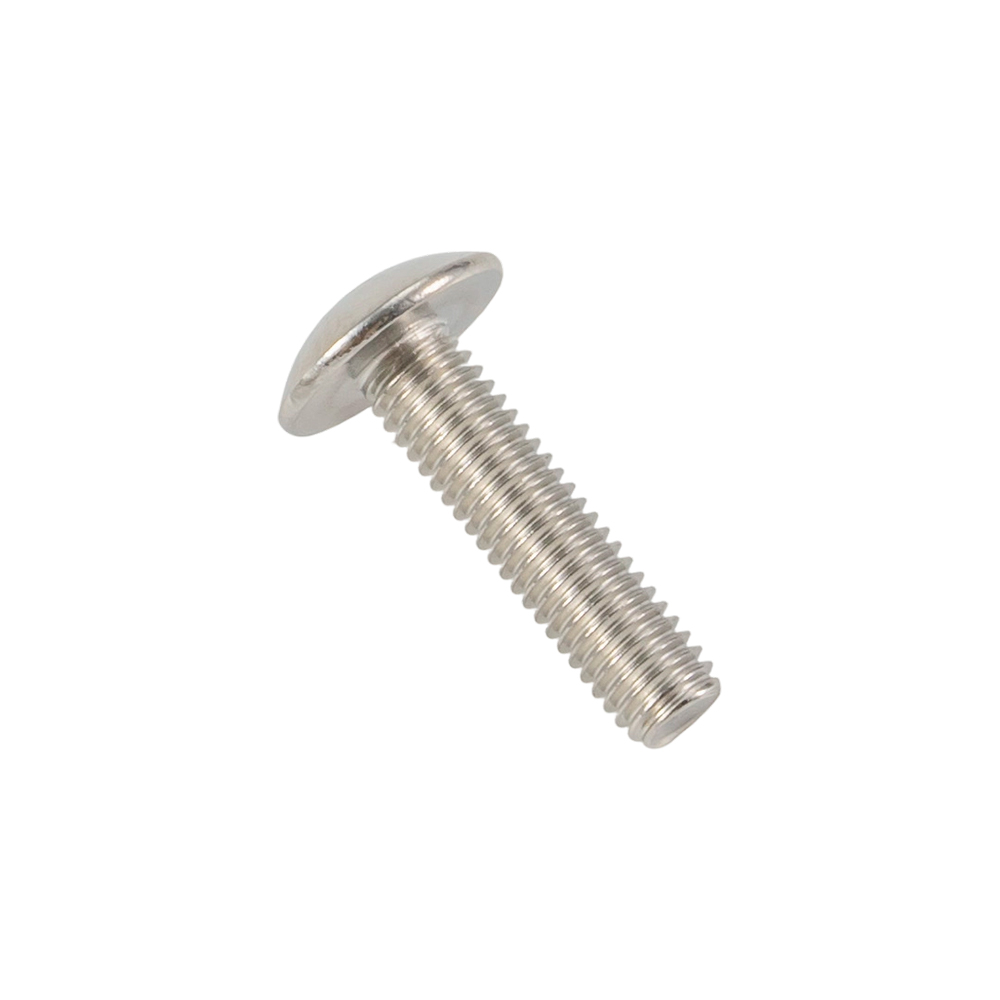
Cross Recessed Large Pan Head Machine Screw
-
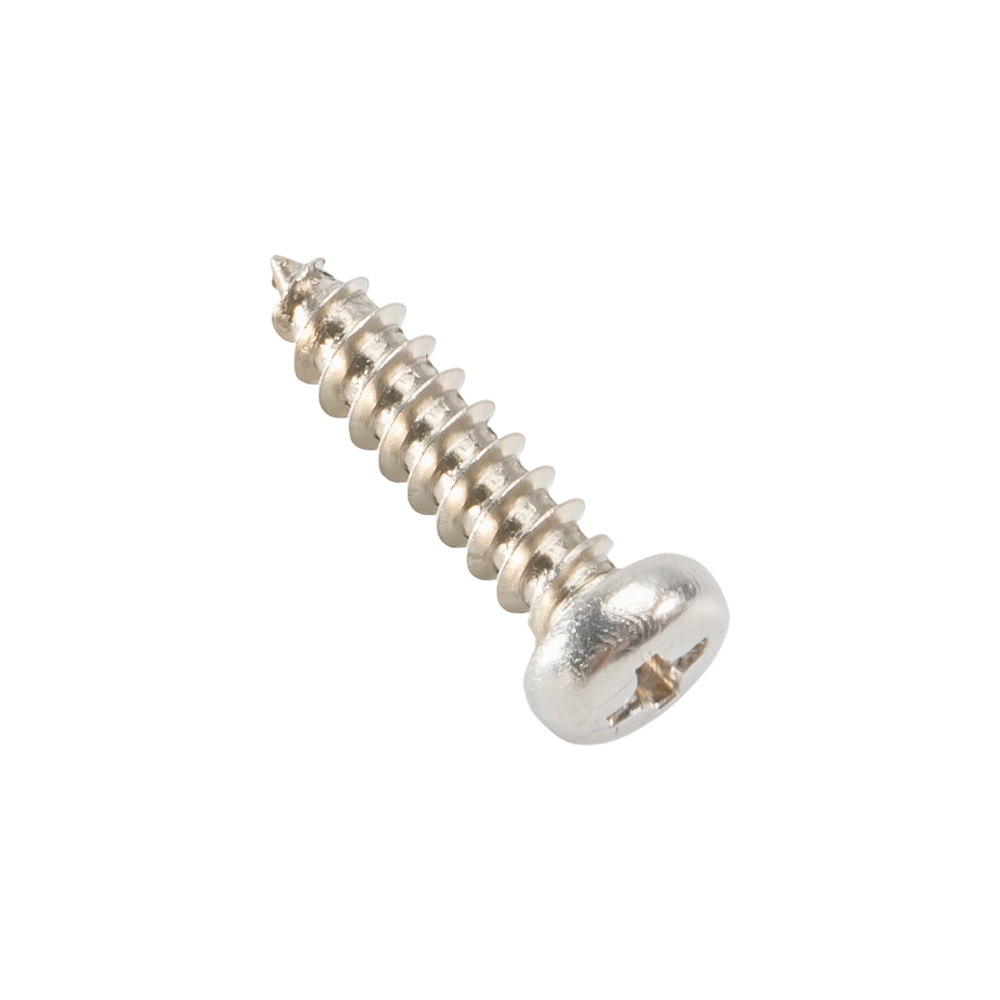
Pan Head Self-Tapping Screw
-
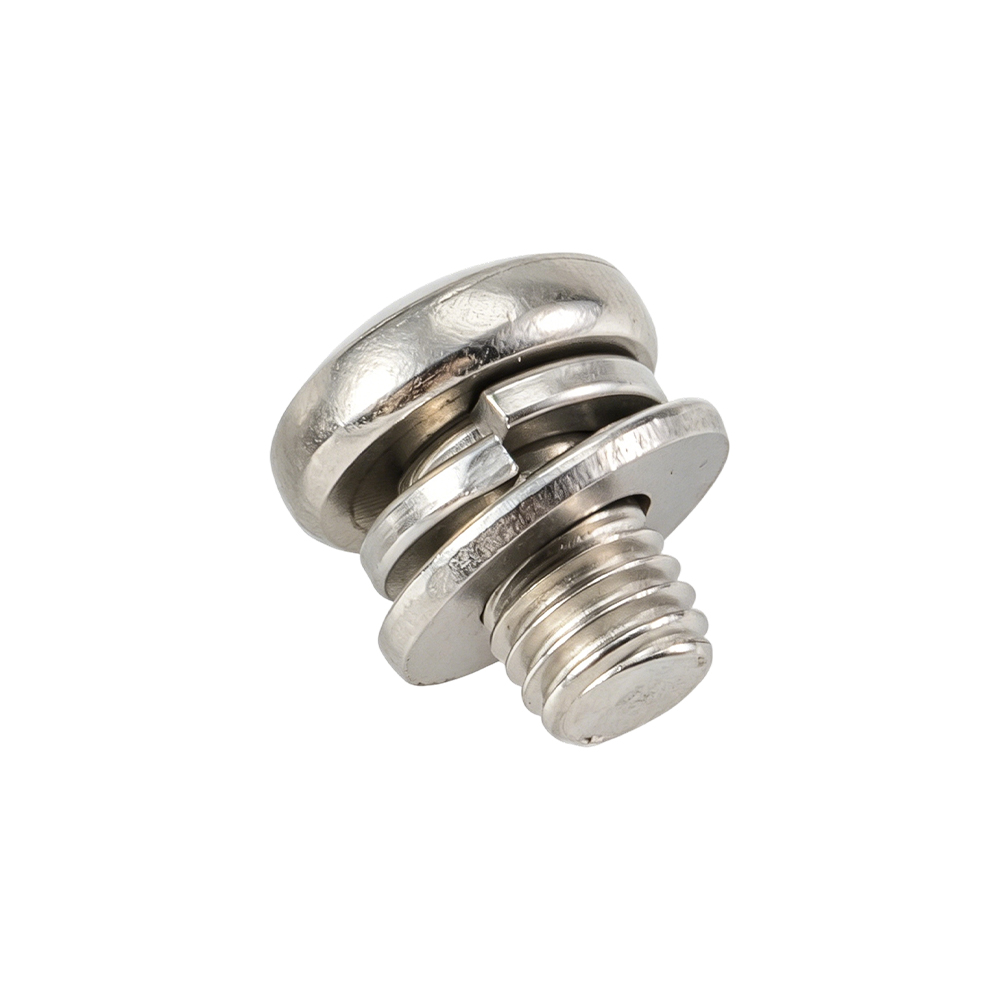
Cross Recessed Pan Head SEMS Screw
-
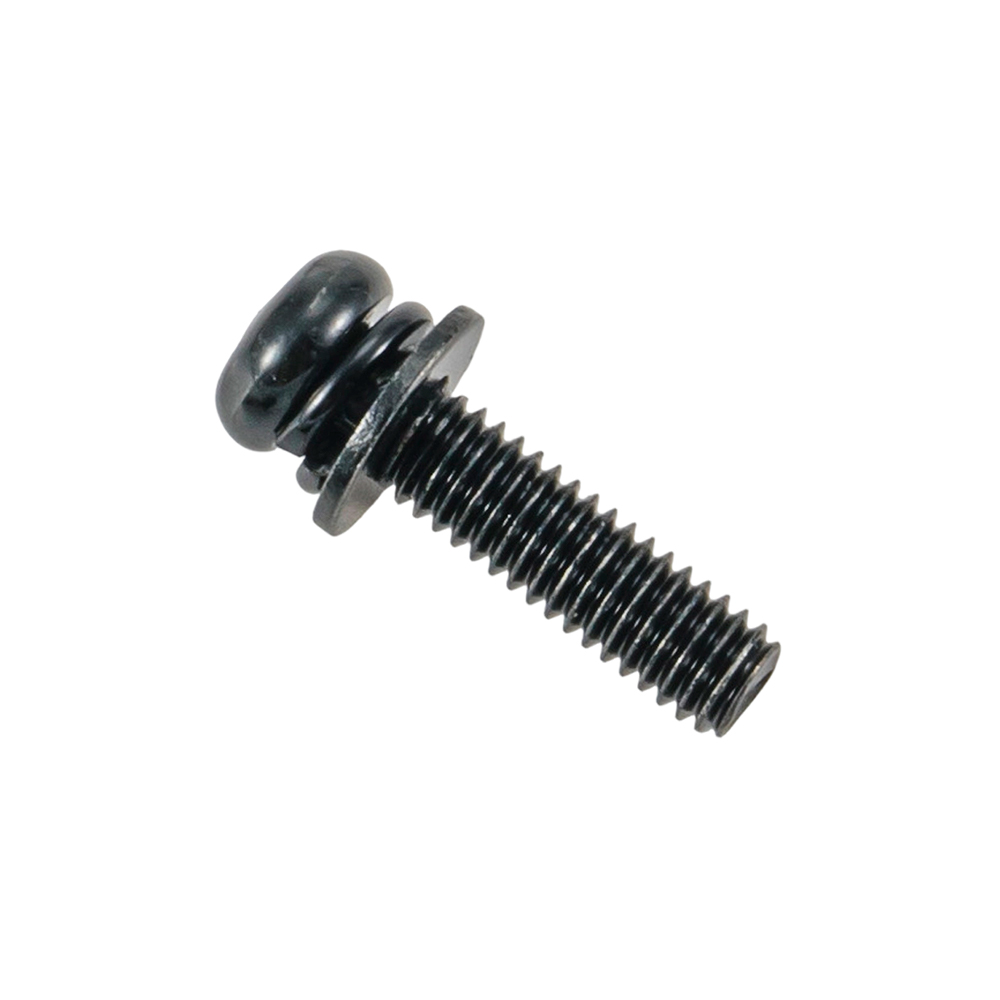
Cross Recessed Pan Head SEMS Screw
-
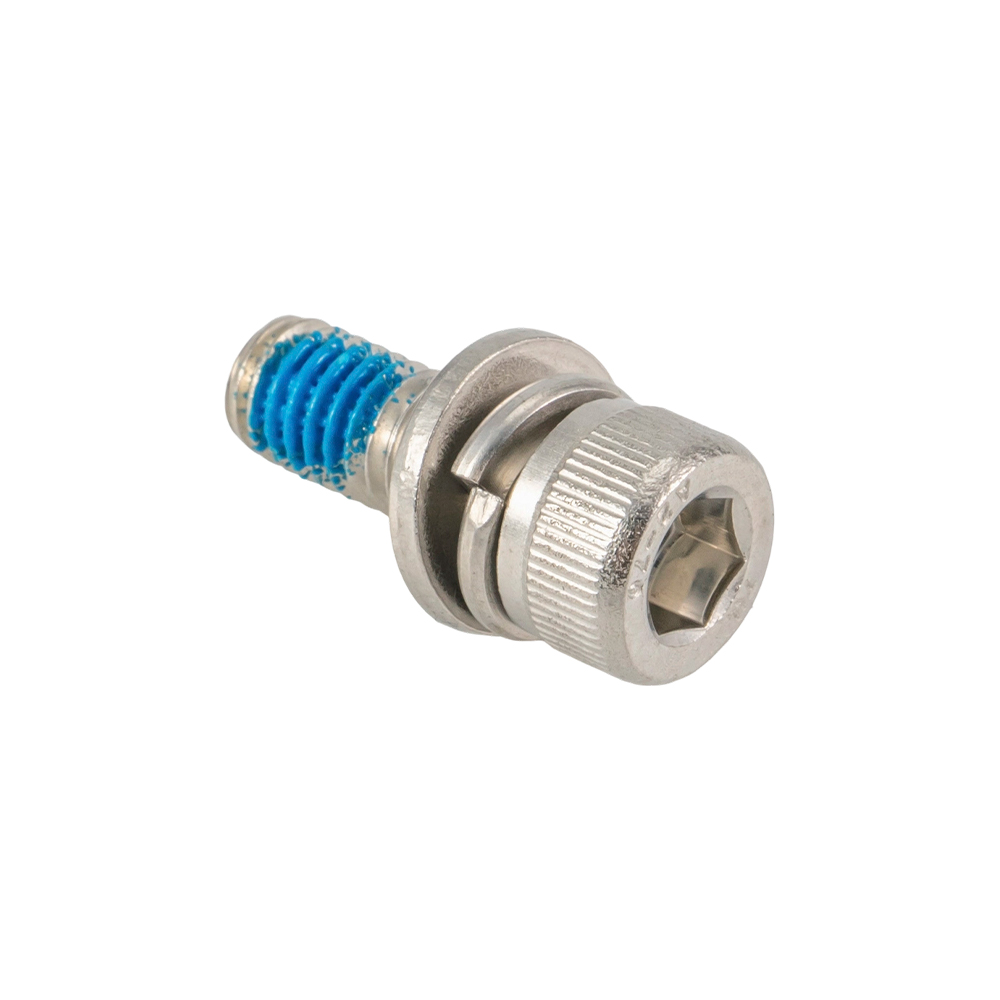
Hexagon Socket Head Cap SEMS Screw with Nylok Anti-Loosening Coating
-
Pan Head Torx Drive SEMS Screw
-
Hexagon Socket Head Cap SEMS Screw
Copyright © 2026 by Yongji Precision Hardware Co., Ltd. Rights Reserved.
Custom Fasteners & Turned Parts, Precision Hardware Manufacturers
